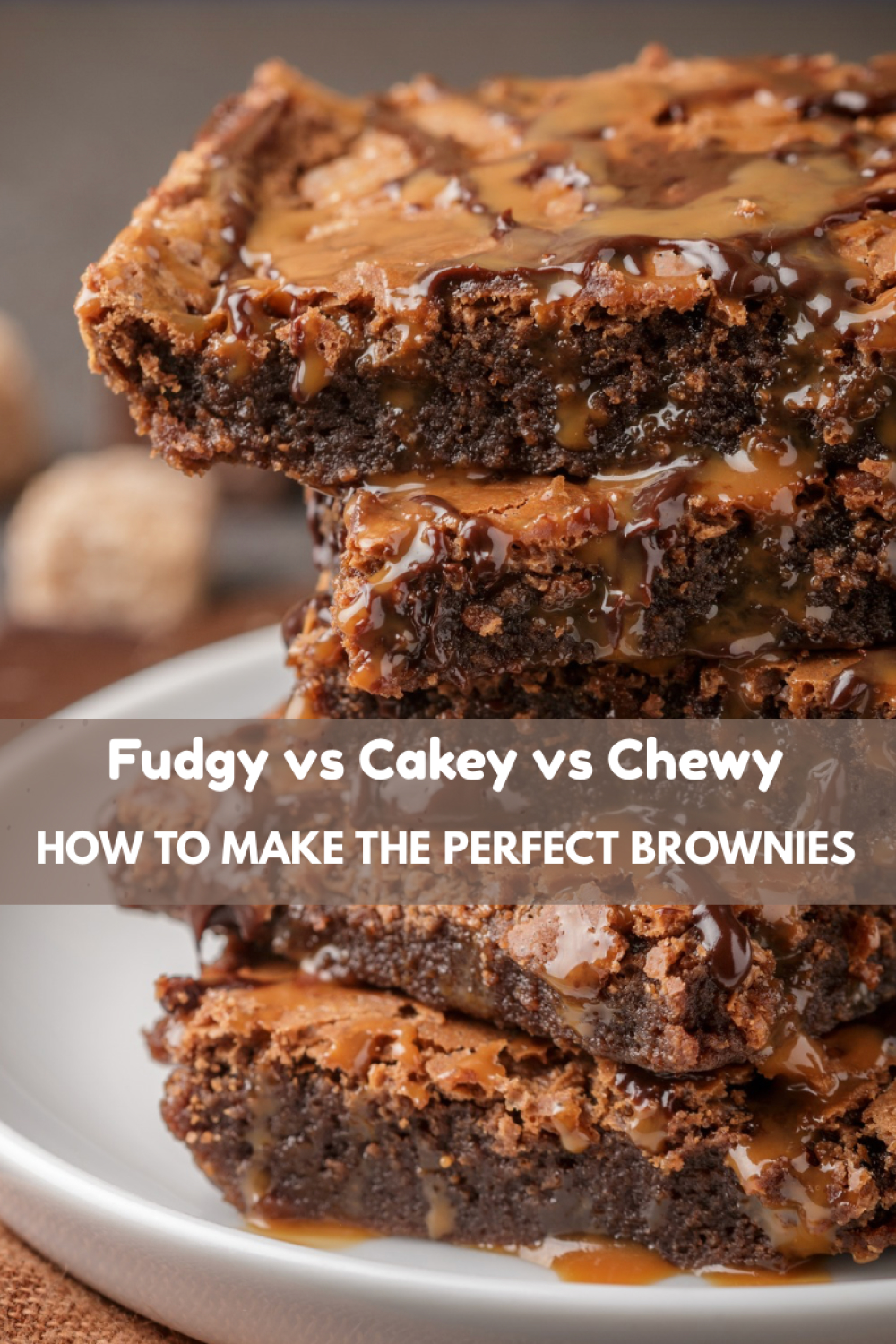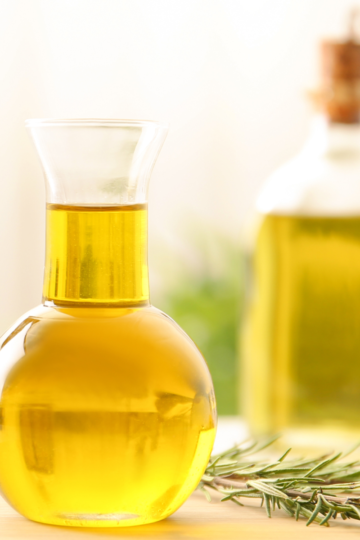
For years I made the same brownie recipe and got completely different results — fudgy one week, dry and cakey the next. Same recipe, same oven. Turns out, tiny changes (a little extra flour, one more egg, pulling them out five minutes early) completely change the texture. Here's exactly what makes a brownie fudgy, cakey, or chewy — so you can stop guessing.
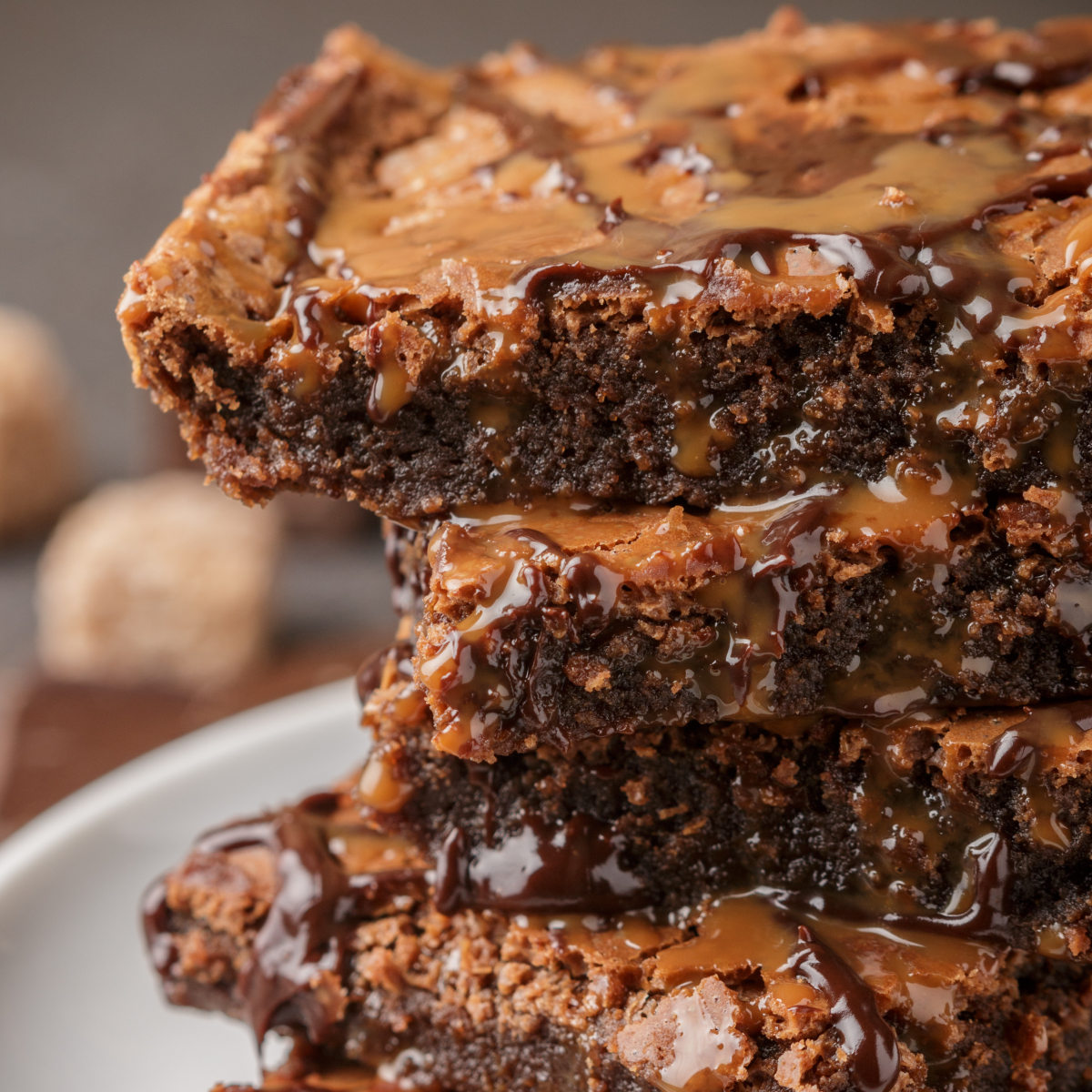
Quick Answer
All three textures start from a base 8×8 pan recipe. Here's what changes:
Fudgy: ½ cup flour, 1 cup butter, 2 eggs (1 whole + 1 yolk). Pull at 22–25 minutes, center barely set.
Cakey: ¾ cup flour, ½ cup butter, 3 eggs. Bake fully, 30–35 minutes, toothpick mostly clean.
Chewy: ⅔ cup flour, ¼ cup butter + ¼ cup oil, 2 eggs, plus 2 extra tablespoons sugar. Pull the moment edges are set, around 27–30 minutes.
The single biggest lever is your fat-to-flour ratio. More fat = fudgier. More flour = cakier.
Already Have a Recipe? Here's How to Tweak It
Already have a brownie recipe you love but want to tweak the texture? Here's exactly what to change:
To make them fudgier: Reduce flour by 2 tablespoons. Swap one whole egg for just a yolk. Pull them out 3–5 minutes earlier than the recipe says.
To make them cakier: Add 2 tablespoons more flour. Add one extra egg white. Beat your eggs and sugar for a full 2 minutes before adding other ingredients.
To make them chewier: Replace butter with half butter, half neutral oil. Add 2 tablespoons more sugar. Don't overbake — pull them the moment the edges look set.
The Three Core Brownie Textures
1. Fudgy Brownies
Dense enough that the knife sticks when you cut them. The center is barely set when you pull them from the oven — that's not underbaked, that's the point. You eat these with a fork because picking them up isn't quite an option. Minimal crumb, deep chocolate flavor, no air pockets. This is what most people are chasing when they Google "better brownies."
The trick is a high fat-to-flour ratio with just enough egg to hold it together. More butter or melted chocolate, less flour, fewer eggs.
2. Cakey Brownies
Cakey brownies have a bad reputation, but they're the right answer when you want to frost them, stack them, or pack them in a lunchbox without making a mess. Light crumb, real lift, a little bounce when you press the top. They taste like chocolate cake's slightly denser cousin.
You get there with more flour, more eggs, and beating air into the batter before baking. Don't underbake — these need to fully set or they collapse.
3. Chewy Brownies
This is the bakery brownie. Slight pull when you bite, structured enough to hold a corner piece in one hand, moist but not gooey. Most people who say "I just want a normal brownie" mean chewy.
Chewy sits right between fudgy and cakey — balanced fat and flour, a little extra sugar for that signature chew, and you pull them the second the edges look set.
The Science Behind Brownie Texture
Understanding texture starts with understanding ingredients.
Fat (Butter or Oil)
Fat provides moisture, tenderness, and density.
- More fat → Fudgier brownies
- Less fat → Cakier brownies
Butter adds flavor and some structure due to milk solids. Oil increases moisture and chew because it is 100% fat.
If you want chewy brownies, oil or a butter-oil combination often works well.
Flour
Flour builds structure through gluten formation.
- More flour → Cakey texture
- Less flour → Fudgy texture
Even a small increase in flour can significantly change the final texture. Overmeasuring flour is one of the most common causes of dry, cakey brownies.
Eggs
Eggs provide structure, moisture, and lift.
- More eggs → Cakey brownies
- Fewer eggs → Fudgy brownies
Egg whites create structure. Egg yolks contribute richness and fat. Adding an extra yolk (without an extra white) increases richness and chew.
Sugar
Sugar does more than sweeten.
- Contributes to moisture
- Helps create chew
- Produces a shiny, crackly top
Higher sugar ratios tend to create chewier brownies because sugar absorbs moisture and delays gluten development.
Chocolate vs Cocoa Powder
Melted chocolate contains cocoa solids and cocoa butter (fat). Cocoa powder is dry.
- More melted chocolate → Fudgier brownies
- More cocoa powder (without balancing fat) → Cakier brownies
Recipes using only cocoa powder require careful fat balancing to avoid dryness.
How to Make Fudgy Brownies
To create dense, moist brownies:
- Use more fat than flour.
- Limit eggs to reduce structure.
- Avoid overmixing.
- Bake slightly under the fully-set stage.
The center should appear set around the edges but slightly soft in the middle. Brownies continue cooking as they cool.
Cooling completely is essential for fudgy texture to firm up.
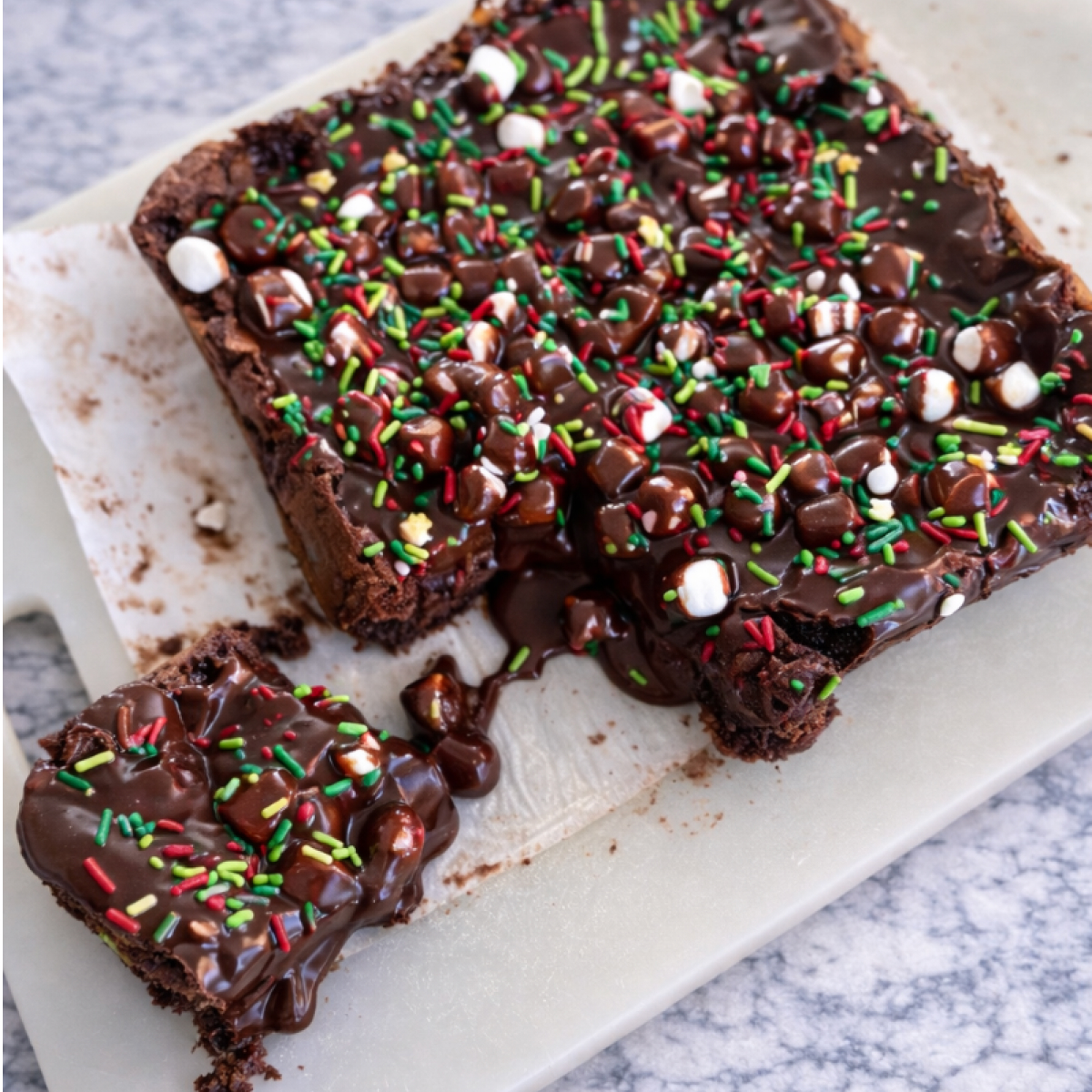
Try my extra fudgy Hot Chocolate Marshmallow Brownies.
How to Make Cakey Brownies
To create lighter brownies:
- Increase flour slightly.
- Add an extra egg.
- Beat eggs and sugar to incorporate air.
- Bake until fully set.
The batter should be thicker and slightly aerated. Bake until a toothpick inserted in the center comes out mostly clean.
Cakey brownies are also what you want if you're building a dessert charcuterie board — they hold their shape and stack cleanly.
How to Make Chewy Brownies
For chew:
- Maintain balanced fat and flour.
- Slightly increase sugar.
- Use melted butter or oil.
- Avoid overbaking.
Chewiness relies heavily on sugar and proper moisture balance. Overbaking eliminates chew and results in dryness.
Chewy brownies are the right call for a graduation party dessert table — they travel well, cut into clean squares, and nobody complains.
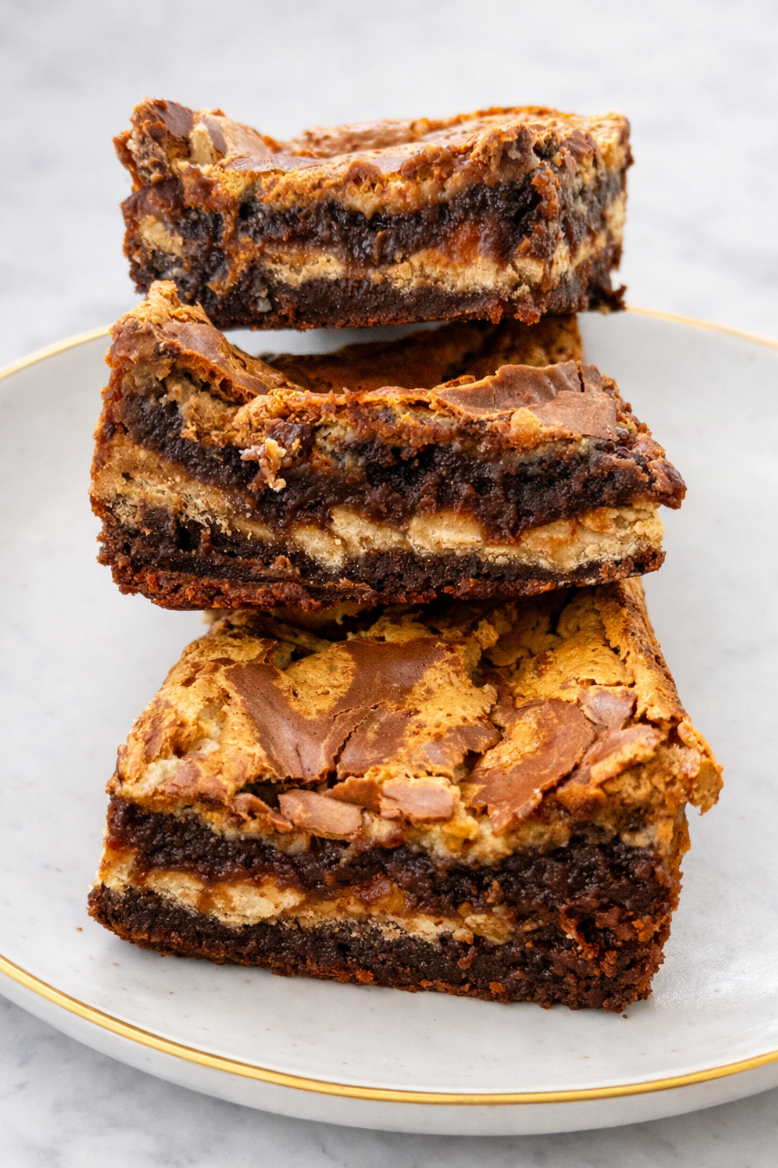
Technique Matters
Even with perfect ratios, technique influences texture.
Mixing
Overmixing develops gluten, leading to tough brownies. Stir only until ingredients are combined.
Pan Size
A larger pan creates thinner brownies that bake faster and may dry out. A smaller pan produces thicker, denser brownies.
If you're baking for a crowd, the brownies per person guide has the exact batch math for 10 to 100 guests.
Baking Time
Underbaking slightly results in fudgier brownies. Baking until fully set creates cakier results.
Cooling
Brownies firm significantly as they cool. Cutting too early can make them seem underbaked.
Troubleshooting Common Issues
Dry Brownies
Causes:
- Too much flour
- Overbaking
- Low fat content
Greasy Brownies
Causes:
- Excess fat
- Significant underbaking
Tough Brownies
Causes:
- Overmixing
- Excess flour
No Crackly Top
Causes:
- Sugar not fully dissolved
- Improper mixing
- Low sugar ratio
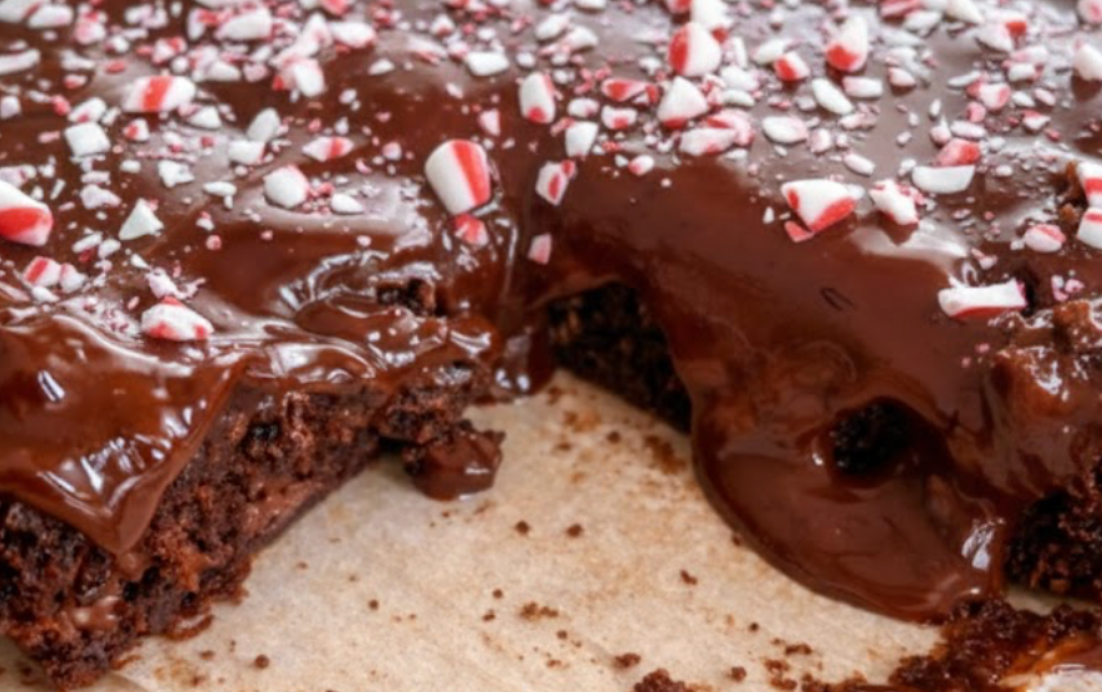
Love extra chocolatey brownies? Try my Peppermint Hot Chocolate Brownies.
Quick Texture Comparison Chart
| Texture | Fat | Flour | Eggs | Sugar | Bake Level |
|---|---|---|---|---|---|
| Fudgy | High | Low | Fewer | Moderate | Slightly underbaked |
| Cakey | Moderate | Higher | More | Moderate | Fully baked |
| Chewy | Moderate | Moderate | Balanced | Slightly higher | Just set |
Which Texture Is Best?
There is no single “correct” brownie texture. Preference varies:
- Choose fudgy for rich, dessert-style brownies.
- Choose cakey for lighter slices suitable for layering or frosting.
- Choose chewy for a balanced, classic brownie.
Once you understand how ingredient ratios affect texture, you can adapt nearly any brownie recipe to match your preference.
FAQ
Why are my brownies cracking on top? A crackly top is actually what you want — it means the sugar dissolved properly. If you're getting a big sinkhole crack down the middle, you pulled them too early or your pan was too small for the volume of batter.
Why did my brownies sink in the middle? Two usual suspects: underbaking, or opening the oven door in the first 20 minutes. Brownie batter needs heat to set the structure. Once it sinks, it doesn't come back.
Glass pan or metal pan — does it matter? Metal bakes faster and gives you crispier edges. Glass holds heat longer, so brownies keep cooking after you pull them out — drop your oven temp by 25°F if you're using glass, or pull them 5 minutes earlier than the recipe says.
Can I double a brownie recipe? Yes, but use two 8×8 pans instead of one big pan. Doubling into a 9×13 changes the depth and the bake time gets unreliable. If you must use a 9×13, expect to bake 10–15 minutes longer and check often.
How long do brownies stay fresh? Three days at room temp in an airtight container, a week in the fridge, three months in the freezer. Fudgy brownies actually taste better on day two — the flavor deepens overnight.
Can I use cocoa powder instead of melted chocolate? Yes, but add 1 extra tablespoon of butter or oil per ¼ cup of cocoa to make up for the missing fat. Otherwise your brownies will be dry no matter what.
Why are my brownies greasy on top? Too much butter, or the butter and sugar didn't fully combine. Whisk them together longer next time — 2 full minutes — before adding eggs.
Final Takeaway
Brownie texture is controlled, not accidental. By adjusting fat, flour, eggs, sugar, and bake time, you can intentionally create fudgy, cakey, or chewy brownies. The key is understanding structure versus moisture — and how small changes shift the balance.
Once you know which lever does what, you stop guessing and start baking on purpose. If you're baking these for a crowd, check my brownies per person guide for exact batch sizes.
Related
Looking for other recipes like this? Try these:
Pin to Pinterest