Cream cheese is one of those ingredients that's in everything — frosting, cheesecakes, dips, cinnamon rolls, baked dishes — and it's also one of the most common ingredients people realize they're out of right when they need it. Standing in the kitchen, recipe halfway done, no cream cheese.
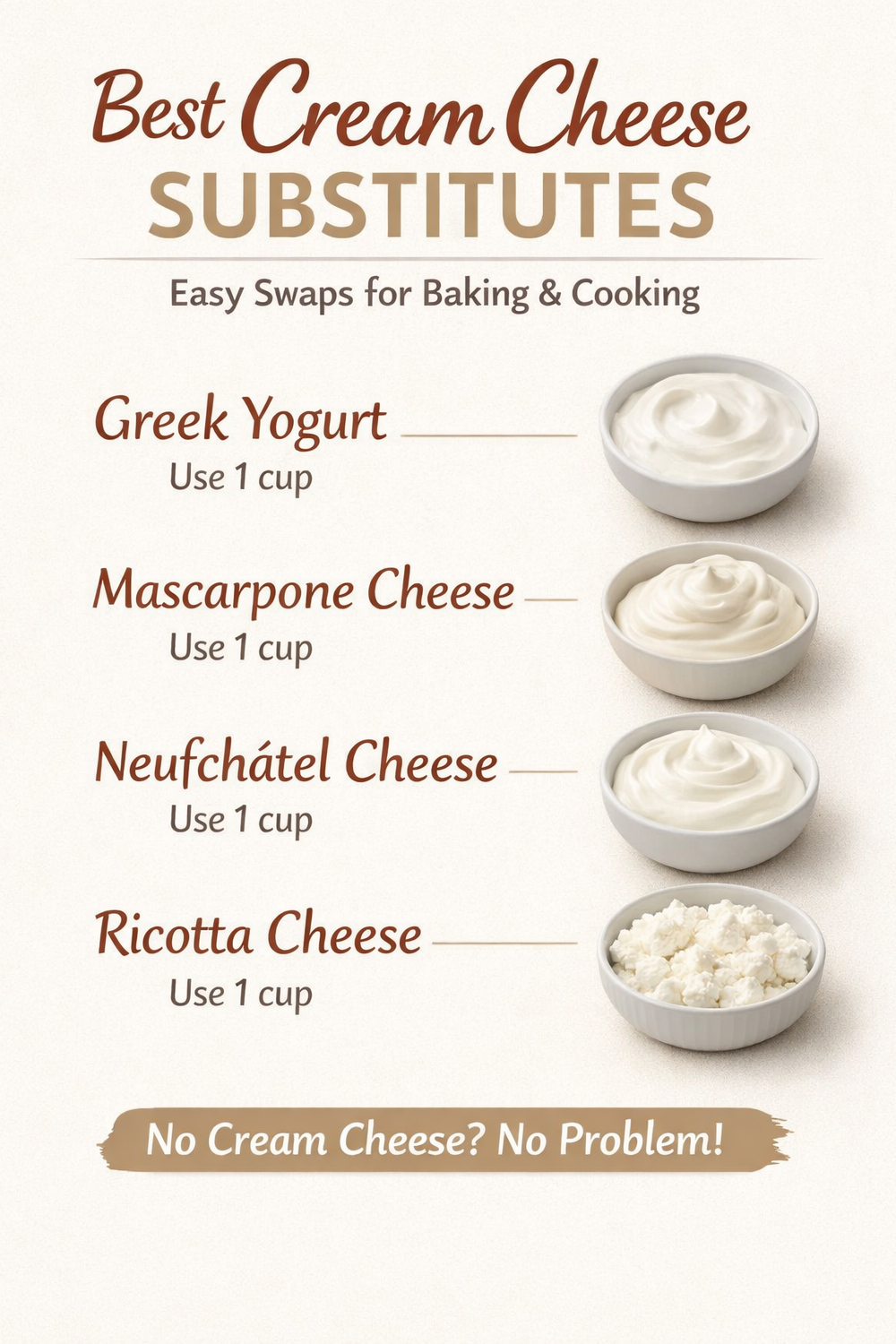
Here's the good news: there are six reliable substitutes that work well, and most of them are probably already in your fridge. The catch is that not every swap works in every recipe. The right substitute depends entirely on what cream cheese is doing in the dish — adding structure to a cheesecake, tang to a frosting, or creaminess to a dip — and the swap that saves your cinnamon roll glaze will absolutely ruin your baked cheesecake.
This guide walks you through which substitute works for which recipe, the exact ratios, and the small adjustments (like a squeeze of lemon, a few hours of straining) that make the difference between "you can't even tell" and "what happened to my dessert."
Jump to:
Quick Answer
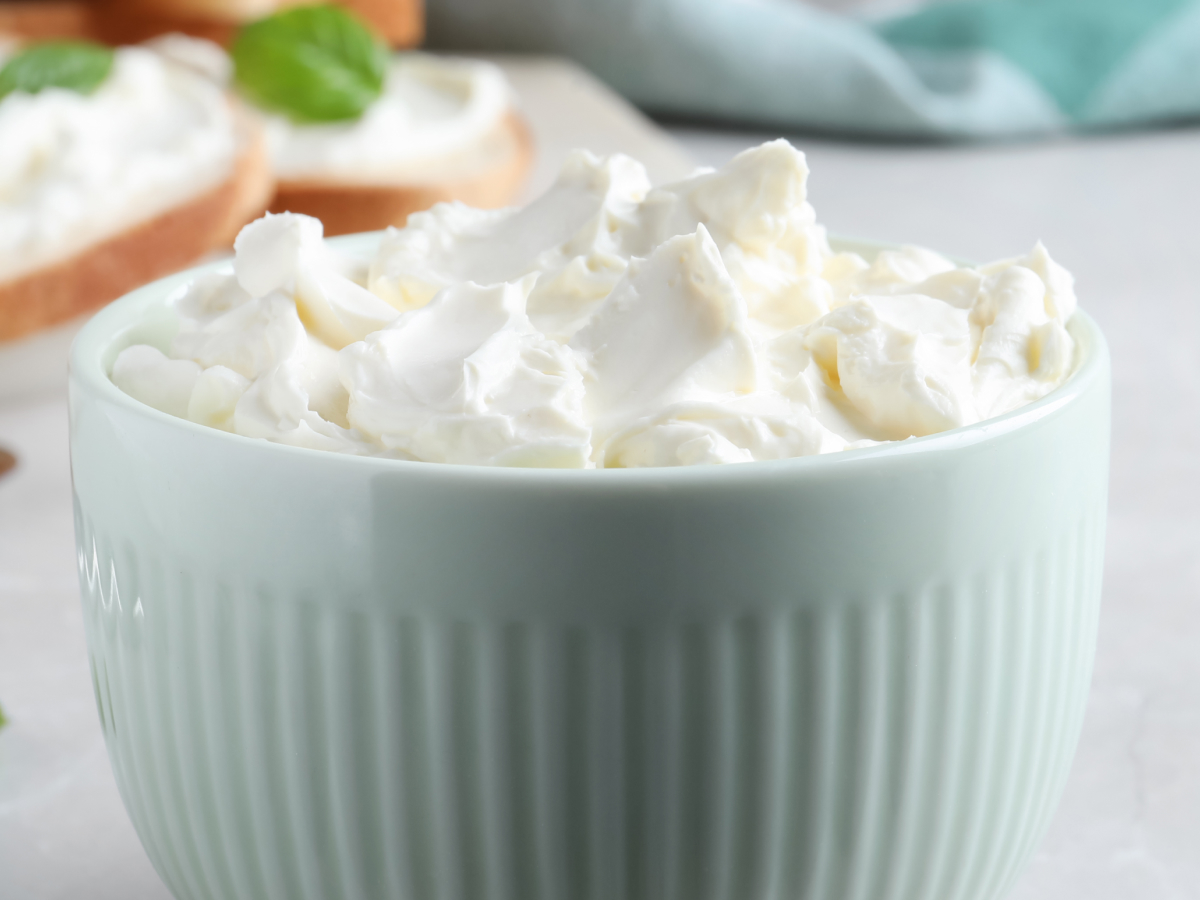
The closest 1:1 swap for cream cheese is Neufchâtel. It sits right next to cream cheese at the grocery store in nearly identical packaging, and it works in any recipe that calls for cream cheese without changes. Same fat content range, same texture, same tang.
If Neufchâtel isn't an option, here's the short version:
- For cheesecake or frosting: mascarpone (richer, slightly sweeter — add a squeeze of lemon if the recipe relies on tang)
- For dips, spreads, or no-bake fillings: strained Greek yogurt (lighter, tangier, must be drained first)
- For dairy-free: dairy-free cream cheese for direct swaps, cashew cream for everything else
But here's the thing — cream cheese does three completely different jobs depending on the recipe. It provides structure in cheesecake, tang in frosting, and creaminess in dips. The right substitute depends on which job you need it to do, and a swap that saves your cinnamon roll frosting will absolutely ruin your cheesecake.
The full breakdown — including which substitutes work for which recipes, exact ratios, and the adjustments that make the difference — is below. Skip down to your recipe type for the swap that'll actually work.
Which Substitute for Which Recipe?
Here's where to actually start. Find your recipe type, then match the substitute.
For Cheesecake (Baked)
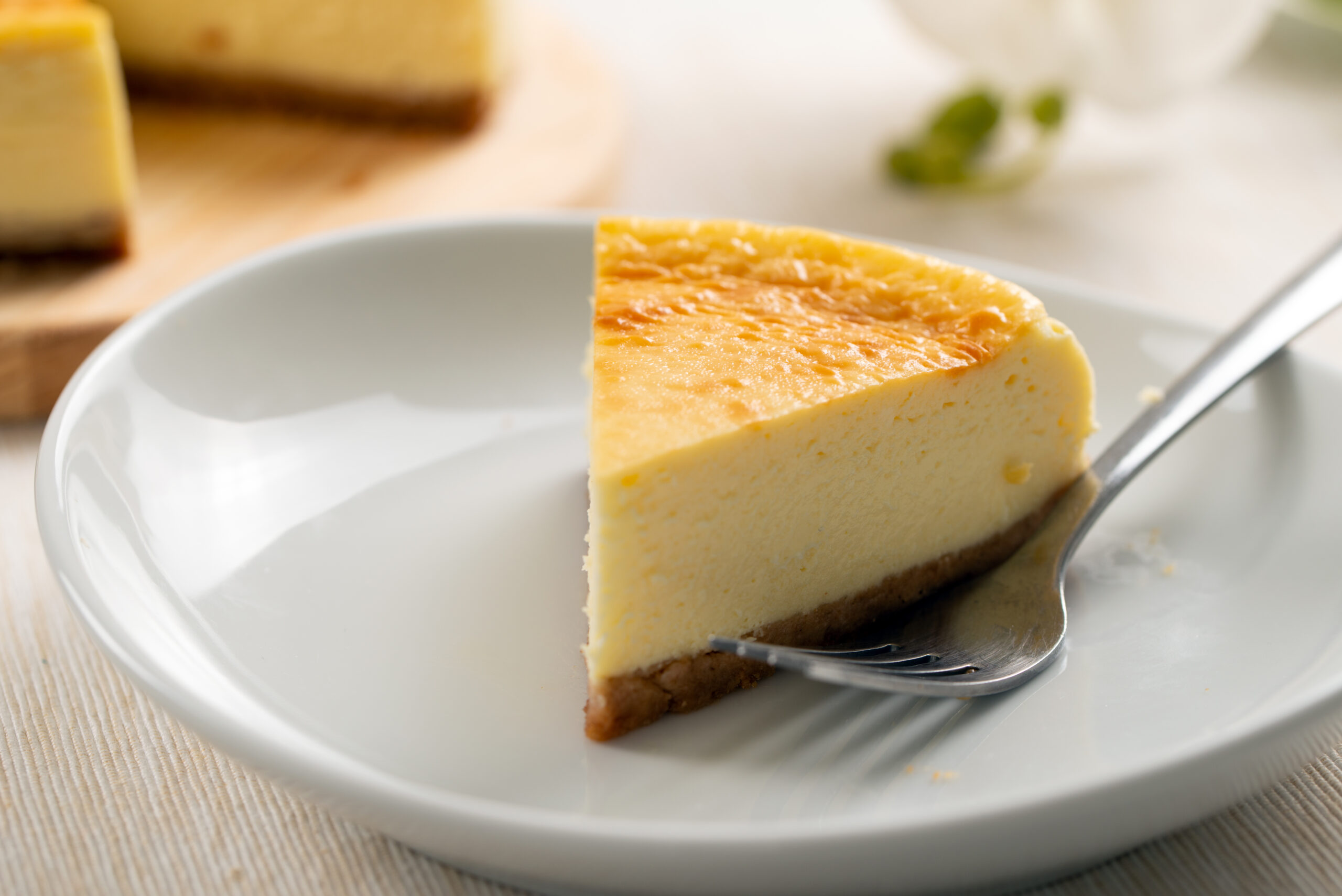
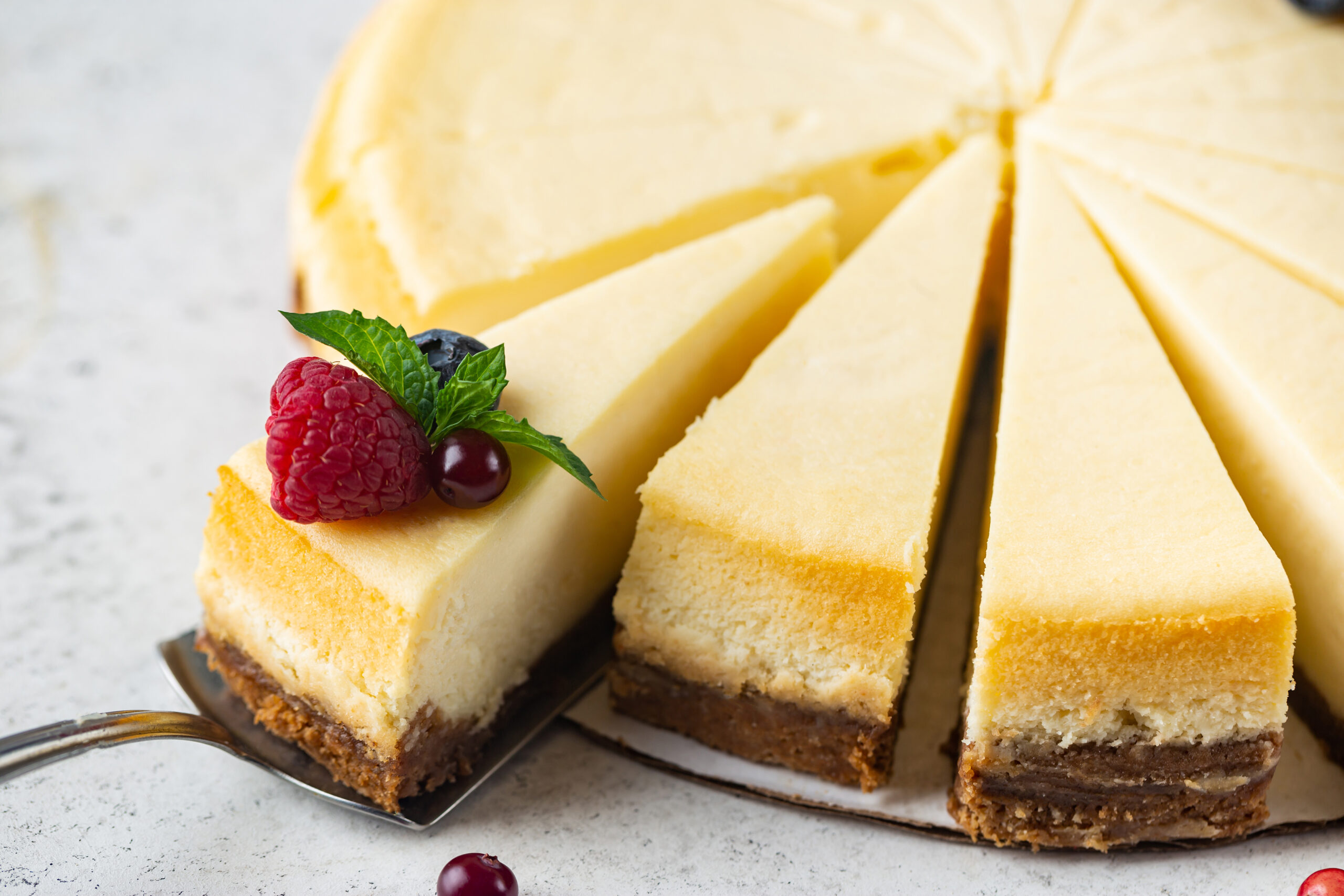
Best: Neufchâtel. Same fat range, same tang, no recipe adjustments needed. Your cheesecake will be virtually indistinguishable from one made with cream cheese.
Decent: Mascarpone. Will produce a richer, denser, less tangy cheesecake. Add 1 tablespoon of fresh lemon juice per 8 oz of mascarpone to bring back the tang cream cheese provides. Don't overbeat — mascarpone splits more easily than cream cheese.
Skip: Greek yogurt and ricotta. Both release water during baking, which means a soggy crust and an unstable filling. Even strained, they don't have the structural protein cream cheese has for baked cheesecake.
For Cheesecake (No-Bake)
Best: Strained Greek yogurt (drained for 6+ hours into labneh consistency) combined with a little softened mascarpone or whipped heavy cream for richness. The straining is non-negotiable — unstrained Greek yogurt will give you a watery filling that won't set.
Decent: Mascarpone alone (sweeter result), dairy-free cream cheese.
Skip: Ricotta. Even blended smooth, it never gets fully creamy in a no-bake setting and the texture stays slightly grainy.
For Cream Cheese Frosting
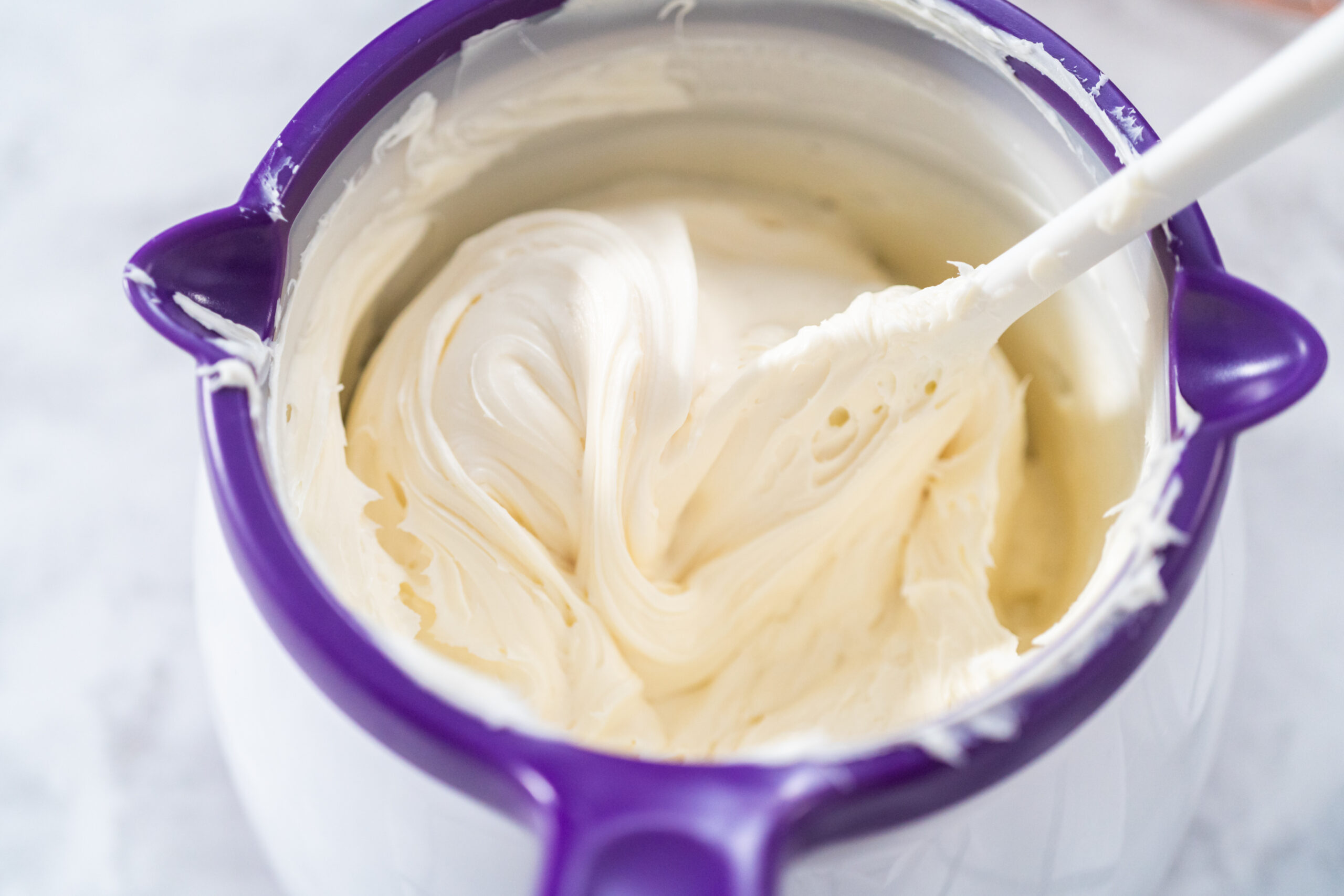
Best: Neufchâtel. The slightly higher moisture content actually makes the frosting easier to pipe.
Decent: Mascarpone. Will be sweeter and less tangy. Add 2 teaspoons fresh lemon juice per 8 oz to compensate. Hold back 1-2 tablespoons of milk or heavy cream from the recipe — mascarpone has more moisture than cream cheese.
Skip: Greek yogurt for piped frosting. It's too soft to hold rosettes or detailed designs, even strained. Use it only for spread frostings on sheet cakes or cinnamon rolls where appearance is forgiving.
For Dips and Spreads
Best: Strained Greek yogurt. Drain for 4 hours minimum for spread consistency, 6+ hours for thicker dip consistency. The tang is actually closer to cream cheese than mascarpone is.
Decent: Mascarpone (richer flavor, but loses the tang most savory dips need), Neufchâtel (works perfectly, just costs more).
Skip: Ricotta unless you blend it completely smooth in a food processor. Even then, expect a slightly different texture.
For Cinnamon Rolls and Sweet Baked Goods
Best: Neufchâtel. The slightly higher moisture is actually a benefit in dough-based recipes — softer, more pillowy results.
Decent: Mascarpone (richer rolls, slightly sweeter glaze).
Skip: Greek yogurt as a filling. It bakes into the dough and releases water. Save it for the glaze, not the filling.
For Dairy-Free Anything
Best: Brand-name dairy-free cream cheese (Kite Hill, Tofutti, Daiya, Miyoko's). These are formulated to mimic cream cheese specifically — same fat-to-moisture ratio, similar tang, holds up in baking and no-bake applications.
Decent: Cashew cream made by soaking 2 cups of raw cashews for 4 hours, then blending with ¼ cup water and 1 tablespoon lemon juice until completely smooth.
Skip: Coconut cream straight from the can. The coconut flavor overwhelms most recipes where cream cheese is the star. Only works in tropical-flavored desserts where you want the coconut.
Why Cream Cheese Substitutions Aren't All Equal
Most people think of cream cheese as one ingredient doing one job. It's actually doing three different jobs at once — and which job matters depends entirely on what you're making.
In a baked cheesecake, cream cheese is doing structural work. The protein and fat hold the filling together while it sets, which is why a baked cheesecake doesn't collapse when you slice it. Swap in something with too much moisture (like unstrained Greek yogurt or unblended ricotta) and the structure falls apart — you get a watery filling and a soggy crust.
In cream cheese frosting, it's mostly doing flavor work. The tangy bite is what cuts through the sweetness of the powdered sugar. Swap in mascarpone (which has barely any tang) and the frosting tastes flat — too sweet, no balance. That's why mascarpone-based frosting recipes always include lemon juice.
In a dip or spread, cream cheese is doing texture work. It needs to be smooth, scoopable, and stable at room temperature for an hour or two without weeping. Greek yogurt nails this if you strain it; ricotta nails it if you blend it; mascarpone nails it without any prep at all.
Get the job right and any of these substitutes work beautifully. Get it wrong and you end up with a soggy cheesecake, a flavorless frosting, or a runny dip. The substitute-by-recipe section above is built around this — pick based on the job, not based on what's closest to cream cheese on paper.
When These Swaps Work (and When They Don't)
The recipes you can swap with confidence:
- Frostings (especially for sheet cakes, cinnamon rolls, and casual desserts where appearance is forgiving)
- No-bake cheesecakes (with the right strained or higher-fat substitute)
- Dips and spreads (cream cheese is doing texture work, not structural work)
- Sweet baked goods like cinnamon rolls, where cream cheese is filling, not foundation
- Frosting fillings for cake layers and Danishes
The recipes where you need to be careful or skip the swap entirely:
- Classic baked cheesecakes — the structural protein matters here. Stick with Neufchâtel or quality dairy-free cream cheese. Don't try Greek yogurt or unblended ricotta.
- Piped buttercream — needs cream cheese's specific firmness to hold detailed designs. Mascarpone or Neufchâtel work; Greek yogurt and cashew cream usually don't.
- Recipes where cream cheese is the entire flavor — like a plain cheesecake or a cream cheese pound cake. The substitute will taste different even if the texture matches.
- Anything where you'll be holding the dish at room temperature for hours — Greek yogurt and cashew cream lose their structure faster than cream cheese does.
The general rule: the more cream cheese is doing in a recipe, the closer your substitute needs to match. Cinnamon rolls don't care; cheesecake does.
The 6 Best Cream Cheese Substitutes (Ranked)
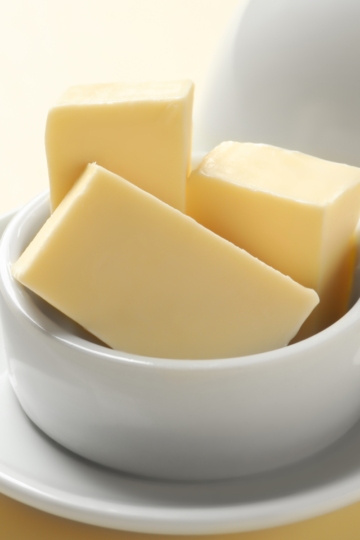
1. Neufchâtel — The Hidden Twin
If you've never bought Neufchâtel, you've probably been walking past it for years. It sits in a nearly identical block right next to the cream cheese at every grocery store, with packaging so similar that most people don't even notice it.
Here's what's actually going on. American cream cheese is required by law to have at least 33% milk fat and no more than 55% moisture. American Neufchâtel comes in around 23% milk fat with slightly higher moisture — about one-third less fat than cream cheese. That's the only meaningful difference. Same tang, same spreadable texture, same versatility in recipes.
The verdict: This is your closest 1:1 swap. No adjustments needed for most recipes. The slightly higher moisture content can actually be a benefit in baked goods like cinnamon rolls (softer, more pillowy results) and frostings (easier to pipe). The lower fat content means slightly less rich results in cheesecake, but the difference is subtle enough that most guests won't notice.
Best for: Anything cream cheese can do. Cheesecake, frosting, dips, spreads, baked goods. This is the swap I reach for first.
Skip it for: Recipes where you specifically need extra-firm structure, like a no-bake cheesecake that needs to hold a clean slice. The lower fat content makes it slightly softer.
Ratio: 1:1, no adjustments.
2. Mascarpone — The Italian Cream Cheese
Mascarpone is technically a type of cream cheese, but it's nothing like the American block you grew up with. It's made from heavy cream (not milk and cream like American cream cheese), which means the fat content runs 60-75% — almost double cream cheese. The texture is silkier, the flavor is sweeter, and the tang is almost gone.
This makes mascarpone an upgrade in some recipes and a problem in others. In cream cheese frosting, mascarpone produces a richer, more luxurious result that pipes beautifully. In cheesecake, it makes a denser, heavier slice that some people prefer and some people miss the original tang on. In savory dips, it usually misses — the lack of tang means it tastes flat.
The fix for missing tang: Add 1-2 teaspoons of fresh lemon juice per 8 ounces of mascarpone. This brings back the bright acidity that makes cream cheese taste like cream cheese.
Watch out: Mascarpone splits more easily than cream cheese. Don't overbeat it, don't use a stand mixer at high speed, and don't bake it at temperatures above 350°F for extended periods. If you see it start to look grainy or curdled, you've gone too far and it won't recover.
Best for: Cream cheese frosting (especially piped designs), no-bake desserts, tiramisu (where mascarpone is actually the original ingredient), Danish pastries, and any recipe where richness matters more than tang.
Skip it for: Savory dips, recipes where the tang is the point, and anything that needs to bake long and hot.
Ratio: 1:1, with 1-2 teaspoon lemon juice per 8 oz to mimic cream cheese tang.
3. Strained Greek Yogurt — The Lighter Option (Done Right)
Greek yogurt is the swap most home bakers reach for, and it works if you treat it right. Here's the catch: even thick Greek yogurt has way more moisture than cream cheese. Drop it in 1:1 and your frosting goes runny, your cheesecake gets watery, and your dip turns thin.
The fix is straining it longer. Greek yogurt has already been strained from regular yogurt — but to match cream cheese consistency, you need to strain it further, into what Middle Eastern cooking calls labneh.
How to strain Greek yogurt into cream cheese consistency: Line a fine-mesh strainer with cheesecloth (or a flour sack towel — actually easier than cheesecloth) and place it over a bowl. Dump in your full-fat Greek yogurt. Refrigerate for 4-6 hours for spreadable consistency, or 24+ hours for very firm cream-cheese-thick texture. You'll lose about ⅓ to ½ of the original volume to drained whey, so start with more yogurt than the recipe needs. (Don't toss the whey — it's great in bread, smoothies, or pancakes.)
Always full-fat. Never use 0% Greek yogurt as a cream cheese substitute. The fat is what does cream cheese's job in a recipe; without it, you're just adding moisture and tang with no body. Full-fat (typically 5%) Greek yogurt is the only version worth straining.
Tang adjustment: Greek yogurt is noticeably tangier than cream cheese. In sweet recipes (frosting, cheesecake), reduce any other acid in the recipe (lemon juice, vinegar, buttermilk) by half to compensate. Otherwise the final dish tastes sour.
Best for: Dips, spreads, no-bake cheesecakes, sauces, savory applications, lighter frostings on sheet cakes or cinnamon rolls.
Skip it for: Baked cheesecake (the protein structure is different and it'll crack), piped frosting (too soft even strained), and anything where the cream cheese flavor needs to be the star.
Ratio: 1:1 after straining. Start with 1.5 cups Greek yogurt for every 1 cup of cream cheese the recipe needs, since you'll lose volume during straining.
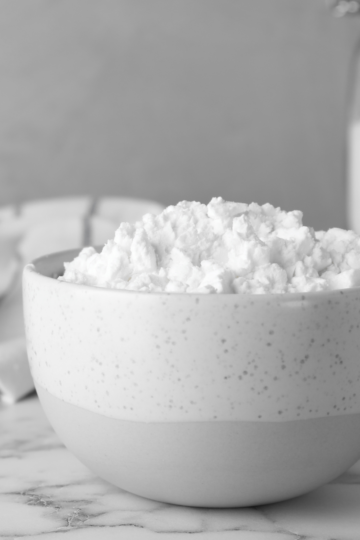
4. Ricotta (Blended Smooth) — The Underrated Workhorse
Ricotta gets dismissed too quickly as a cream cheese substitute. It works — but only when you blend it completely smooth and only in the right recipes.
Out of the container, ricotta is grainy. That texture is fine in lasagna or stuffed shells, but it's a disaster in anything where cream cheese is supposed to be silky. The fix: dump the ricotta into a food processor and run it for 60-90 seconds until it's completely smooth. No graininess at all. This is the version that swaps for cream cheese.
Ricotta is lower in fat than cream cheese (typically 11-13% in whole-milk ricotta vs 33%+ in cream cheese) and more delicate in flavor. Mild, slightly sweet, almost no tang. That makes it good in baked applications where the flavor is going to be carried by other ingredients (like a ricotta-based cheesecake), and less good as a standalone spread.
Best for: Italian-style cheesecakes (ricotta cheesecake is actually a traditional Italian dessert), baked pasta fillings where cream cheese is in the recipe, fillings for crepes or stuffed French toast.
Skip it for: Frosting that needs to hold a piped design, dips that need creaminess, anything that doesn't get blended smooth first.
Ratio: 1:1 after blending smooth, with 1 teaspoon lemon juice per 8 oz to add the tang ricotta lacks.
5. Dairy-Free Cream Cheese — The Direct Replacement
If you need a dairy-free swap, brand-name dairy-free cream cheese is the closest match — by design. Brands like Kite Hill (almond-based), Tofutti (soy-based), Daiya (coconut and pea protein), and Miyoko's (cashew-based) are formulated specifically to mimic cream cheese's fat content, moisture level, and tang.
Each brand has a slightly different flavor profile. Kite Hill leans clean and slightly nutty. Tofutti is the closest to American cream cheese in flavor and the most forgiving for baking. Miyoko's is the richest. Daiya melts the most like real cream cheese. If your recipe is sweet, almost any of them work. For savory recipes where the cream cheese flavor is the focus, Tofutti and Miyoko's tend to be the most convincing.
Best for: Any recipe where you need cream cheese functionality without dairy — cheesecake, frosting, dips, spreads, baked goods. These are the easiest swaps in this whole list because they're engineered for the job.
Skip it for: Recipes where you're going to taste-test the swap blind against real cream cheese and care about being able to tell the difference. They get close, but not identical.
Ratio: 1:1, no adjustments.
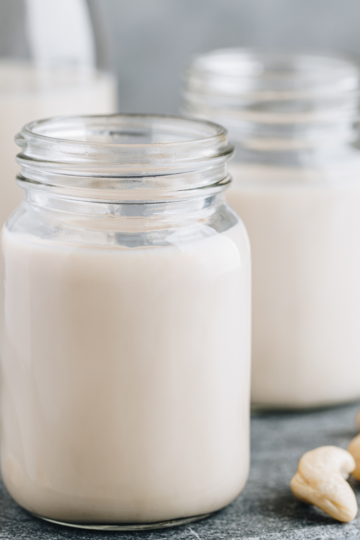
6. Cashew Cream — The Homemade Dairy-Free Option
If you don't have access to dairy-free cream cheese (or don't want to spend $7 on it), cashew cream is the best DIY dairy-free substitute. It's also the one swap on this list with the most flavor flexibility — you control the tang, the salt, and the thickness.
How to make cashew cream: Soak 2 cups of raw cashews in water for 4 hours (or pour boiling water over them and let sit 1 hour for a quick version). Drain, then blend with ¼ cup fresh water, 1 tablespoon lemon juice, ½ teaspoon salt, and 1 teaspoon nutritional yeast (optional, for that "cheesy" depth). Blend in a high-speed blender for 2-3 minutes until completely smooth — no graininess. The result has the consistency of slightly loose cream cheese.
To thicken further for piping or firmer applications, refrigerate the cashew cream for 2+ hours after blending. It firms up significantly when cold. For an even thicker version, reduce the water in the blend by half.
Best for: Frosting, no-bake cheesecakes, savory dips, dairy-free cinnamon roll glazes, anywhere you want full creative control over the flavor.
Skip it for: Baked cheesecake (it doesn't have the protein structure to hold up to long oven time) and any recipe where someone might have a nut allergy.
Ratio: 1:1, but make extra — once people taste it, they tend to keep eating it straight from the bowl.
Common Mistakes (and How to Fix Them)
These are the mistakes that turn a good substitute into a kitchen disaster.
Using Low-Fat or Fat-Free Substitutes
This is the biggest one. Fat is what does cream cheese's job — it carries flavor, creates structure, and holds moisture. When you substitute with 0% Greek yogurt, fat-free cream cheese, or low-fat ricotta, you're removing the thing that actually matters. The result is thin, weeping, flavorless, and structurally weak.
The fix: Always use full-fat versions. 5% Greek yogurt, whole-milk ricotta, full-fat dairy-free cream cheese. The calorie difference between the swap and the original is rarely the thing that matters in a recipe — the texture and flavor are.
Skipping the Straining Step on Greek Yogurt
Even thick Greek yogurt has more moisture than cream cheese. Drop it straight into a frosting recipe and you'll get something closer to a glaze. Use it unstrained in a no-bake cheesecake and the filling won't set.
The fix: Strain it for at least 4 hours before using as a cream cheese swap. Line a fine-mesh strainer with cheesecloth or a flour sack towel, dump the yogurt in, and refrigerate. You'll lose about ⅓ of the volume to whey — start with more yogurt than you need.
Not Blending Ricotta Smooth
Ricotta out of the container is grainy. That's fine in lasagna, but in anything where cream cheese is supposed to be silky, the graininess shows up immediately. People bite into a "cheesecake" and feel sand.
The fix: Run ricotta through a food processor for a full 60-90 seconds. Not 30 seconds, not until it "looks" smooth. A full minute and a half. The texture you're going for is silky and uniform — if you can feel any grain at all on a tasting spoon, keep going.
Forgetting to Adjust for Tang
Mascarpone has almost no tang. Greek yogurt has more tang than cream cheese. Cashew cream has none at all unless you add lemon juice. If you swap without adjusting for the tang difference, the final dish tastes wrong even if the texture is perfect.
The fix: When using mascarpone or cashew cream, add 1-2 teaspoons of fresh lemon juice per 8 ounces. When using Greek yogurt, reduce any other acid in the recipe (lemon juice, vinegar, buttermilk) by half so the final result isn't sour.
Adding Substitute to a Hot Recipe
Cream cheese melts smoothly into hot soups, sauces, and pasta dishes. Greek yogurt curdles. Mascarpone splits. Sour cream separates. Substitutes don't always behave the same way under heat that cream cheese does.
The fix: Temper the substitute first. Put a couple of spoonfuls of the hot liquid into the substitute, whisk smooth, then add a couple more spoonfuls, whisk smooth, then add the warmed substitute back into the main pot. This brings the temperature up gradually and prevents curdling.
Using a Substitute That's Too Cold or Too Warm
Cream cheese works best at slightly softened room temperature for most recipes. The same is true for most substitutes — except they each have their own quirks. Mascarpone splits if it's too warm. Cashew cream is too soft if it's not chilled. Strained Greek yogurt loosens up fast at room temperature.
The fix: Match the original recipe's temperature instructions. If the recipe says "softened cream cheese," soften your substitute the same way. If it says cold, keep it cold. Mascarpone specifically should be cool but pliable — don't bring it all the way to room temperature.
FAQ
What is the best substitute for cream cheese in baking?
Neufchâtel is the closest 1:1 swap with no adjustments needed. It's the same product with about one-third less fat. For baked cheesecake specifically, Neufchâtel is also the only swap I'd trust without modifications — Greek yogurt and ricotta both release water during baking and can ruin the structure. Mascarpone works but produces a denser, sweeter result.
Can I use Greek yogurt instead of cream cheese?
Yes, but only if you strain it first. Even thick Greek yogurt has more moisture than cream cheese, so swapping 1:1 without straining gives you watery results. Line a strainer with cheesecloth, drain full-fat Greek yogurt for 4-6 hours in the refrigerator, and you'll get a labneh-like consistency that swaps beautifully for cream cheese in dips, spreads, no-bake cheesecakes, and softer frostings.
What is the best dairy-free substitute for cream cheese?
Brand-name dairy-free cream cheese (Kite Hill, Tofutti, Daiya, or Miyoko's) is the closest match because it's specifically formulated to mimic cream cheese. For a homemade option, cashew cream made from soaked raw cashews blended with lemon juice and salt comes very close in both texture and flavor.
Can I substitute cream cheese in cheesecake?
Yes, but the substitute matters a lot. For baked cheesecake, use Neufchâtel for the closest result. Mascarpone works but produces a richer, denser, less tangy cheesecake — add 1 tablespoon of lemon juice per 8 oz to compensate. Avoid Greek yogurt and ricotta for baked cheesecake since they release water and can crack or weep. For no-bake cheesecake, strained Greek yogurt or mascarpone both work well.
Can I use cottage cheese as a cream cheese substitute?
Yes, if you blend it completely smooth in a food processor. Whole-milk cottage cheese has a similar fat content to ricotta and works in the same applications — Italian-style cheesecakes, baked dips, savory spreads. Like ricotta, the texture is the issue. Run it through a food processor for 60+ seconds until it's silky. Add 1 teaspoon of lemon juice per 8 oz to bring up the tang since cottage cheese is mild.
How far ahead can I strain Greek yogurt for cream cheese?
Up to 24 hours. The longer you strain, the thicker the result. 4-6 hours gives you spreadable, dip-friendly consistency. 12 hours gives you firm cream-cheese-like texture. 24 hours gives you very firm cheese-ball consistency that holds its shape. Store strained yogurt in an airtight container in the refrigerator and use within 5-7 days.
What's the best cream cheese substitute for frosting?
Neufchâtel is the closest match with no adjustments. Mascarpone produces a richer, sweeter frosting that pipes beautifully — add 1-2 teaspoons of lemon juice per 8 oz to bring back the tang cream cheese provides. Strained Greek yogurt works for spread frostings on cinnamon rolls or sheet cakes but isn't firm enough for piped designs.
Does cream cheese substitute work in cheesecake without cracking?
Cracking happens when the cheesecake's structure can't handle moisture loss during cooling. Neufchâtel performs nearly identically to cream cheese here. Mascarpone actually cracks less often because of its higher fat content. Greek yogurt and ricotta crack more often because of their higher moisture content. Either way, cracks are usually preventable: bake in a water bath, don't overbake, and let the cheesecake cool gradually in the oven with the door cracked.
Can I substitute cream cheese in cinnamon roll frosting?
Absolutely — cinnamon roll frosting is one of the most forgiving applications for cream cheese substitutes. Neufchâtel, mascarpone, and even strained Greek yogurt all work. The frosting gets melted into warm rolls anyway, so minor texture differences disappear. This is the place to experiment if you're nervous about substituting elsewhere.
Why does my cream cheese substitute frosting look curdled or grainy?
Three usual causes. First, the fat content was too low (you used reduced-fat dairy or didn't strain enough). Second, you added cold butter to a warm substitute (or vice versa) and the temperature shock split the emulsion. Third, you overbeat it — mascarpone especially curdles when beaten too long. The fix: bring everything to the same temperature (cool but not cold), beat just until combined, and stop the moment it looks smooth.
Final Thoughts
Here's what most cream cheese substitute guides miss: the right swap depends entirely on what you're making, not on what's "closest to cream cheese" on paper.
For baked cheesecake, grab Neufchâtel. It's the same product with one-third less fat, and you won't be able to tell the difference. For piped frosting, mascarpone or Neufchâtel — both hold rosettes and stars. For dips and no-bake fillings, strained Greek yogurt is genuinely excellent if you give it the 4-6 hours to drain. For dairy-free anything, brand-name dairy-free cream cheese is engineered for exactly this job and it works.
What I'd skip without a second thought: low-fat substitutes (the fat is the whole point), unstrained Greek yogurt (you'll get a watery mess), and unblended ricotta (graininess shows up immediately).
The best part of knowing all this is that you stop being afraid of swaps. You're not "cheating" by using Neufchâtel in your cheesecake — you're using a product that's almost identical to cream cheese for one-third less fat. You're not ruining your frosting with mascarpone — you're making a richer version that happens to need a squeeze of lemon. The whole point of substitutions is keeping your recipe on track when life happens, and now you've got the toolkit to do it without a trip to the store.
If you're missing more than just cream cheese, these guides cover the rest of your baking pantry:
- Heavy cream alternatives — for richness, sauces, and whipped toppings
- Butter substitutes — for baked goods when you're out of butter
- Milk substitutes — for adjusting consistency in any recipe
- Buttermilk substitutes — for tangy flavor in pancakes, biscuits, and quick breads
- Cornstarch substitutes — for thickening sauces and adding structure
For the complete picture, the baking ingredient substitutions guide covers every common swap in one place — butter, milk, eggs, sugar, flour, and beyond.
Looking for other recipes like this? Try these:

Pin to Pinterest