If you’ve ever been halfway through a recipe and realized you’re out of sour cream—or staring at a tub of Greek yogurt wondering if it will work instead—you’re not alone. These two ingredients look similar, taste tangy, and often show up in the same types of recipes. But are they actually interchangeable?
The short answer: sometimes yes, sometimes no—and knowing when makes all the difference
This guide breaks down the real differences between Greek yogurt and sour cream in baking — including texture, fat content, acidity, structure, and how to substitute correctly without ruining your recipe.
If you love learning simple swaps like this, you’ll find even more helpful ideas in my baking ingredient substitutions guide that walks through easy replacements that actually work.

Jump to:
- Quick Answer
- Greek Yogurt vs Sour Cream — Side by Side
- Why This Matters
- Greek Yogurt vs Sour Cream: Key Differences
- Can You Substitute Sour Cream for Greek Yogurt? (The Reverse Swap)
- Practical Examples by Recipe Type
- Best Uses for Each
- Common Mistakes to Avoid
- FAQ
- Final Thoughts
- Pin to Pinterest
- Related
- Pairing
Quick Answer
Yes, you can substitute Greek yogurt for sour cream in most recipes—especially in baking and dips. Greek yogurt is slightly tangier and lower in fat, so it works best when used as a 1:1 replacement with minor adjustments for richness.
Greek Yogurt vs Sour Cream — Side by Side
| Greek Yogurt | Sour Cream | |
|---|---|---|
| Made from | Strained milk + live cultures | Fermented cream + lactic acid bacteria |
| Fat content | 0–10% (varies by type) | ~18–20% fat |
| Protein | Higher ~15–20g per cup |
~2–3g per cup |
| Calories (per ¼ cup) | Fewer ~30–40 cal |
~115 cal |
| Flavor | Tangy, slightly sharp | Milder, rich, buttery |
| Texture | Thick, slightly dense | Silkier melts smoothly into sauces |
| Acidity | Higher (brighter) | Lower (more subtle) |
| Heat tolerance | Low — can curdle | Better handles moderate heat |
| Best in baking | Yes muffins, cakes, quick breads |
Yes — richer result |
| Best for dips | Yes lighter, higher protein |
Yes — creamier |
| Substitute ratio | 1:1 swap in most recipes | |
From the Greek Yogurt vs Sour Cream guide at Summer & Cinnamon
Why This Matters
Understanding the difference between these two ingredients helps you:
- Avoid dry or overly tangy results
- Make healthier swaps without sacrificing texture
- Save a trip to the store
- Improve recipe consistency
For food bloggers and home cooks alike, this is one of those small details that can quietly make or break a dish.
Greek Yogurt vs Sour Cream: Key Differences
1. Ingredients & How They’re Made
- Greek yogurt is strained yogurt made from milk and live cultures. The straining removes whey, creating a thick, creamy texture.
- Sour cream is made by fermenting cream with lactic acid bacteria, giving it a richer, higher-fat profile.
-Bottom line: Greek yogurt starts with milk, sour cream starts with cream.
2. Taste
- Greek yogurt: Tangy, slightly sharp
- Sour cream: Milder, richer, more buttery
-Greek yogurt has a brighter acidity, while sour cream is more subtle and creamy.
3. Texture
- Greek yogurt: Thick but slightly denser
- Sour cream: Smooth, silky, more spreadable
-Sour cream melts more easily into sauces.
4. Fat Content
- Greek yogurt is typically lower in fat (especially nonfat or 2%)
- Sour cream is higher in fat (usually around 18–20%)
-This affects richness and mouthfeel in recipes.
Can You Substitute Sour Cream for Greek Yogurt? (The Reverse Swap)
Most people ask this question going one direction — but what about the other way around? Say your recipe calls for Greek yogurt and you only have sour cream. Good news: it works.
Sour cream is richer and slightly less tangy, so the texture will be a little silkier and the flavor a touch more mellow. That's not a bad thing. In most baked goods, dips, and sauces, nobody will notice.
The formula: Use sour cream 1:1 in place of Greek yogurt.
Best adjustment: If the recipe relies on Greek yogurt's higher protein (like certain overnight oats or protein-focused dishes), sour cream won't match that nutritional profile — but it'll still taste great.
Where it works:
- Baked goods (muffins, cakes, banana bread)
- Creamy dips and dressings
- Pancakes and waffles
- Topping for soups, tacos, or baked potatoes
Where to be careful:
- If the recipe is supposed to be light or low-fat, sour cream adds significantly more calories
- In cold overnight recipes, the richness can feel heavier than intended
Here's the thing — these two ingredients are more interchangeable than most people realize. Once you know which direction you're going and what to adjust, you'll stop running to the store mid-recipe.
For another common kitchen swap, this guide on what to use instead of heavy cream breaks down easy options and when to use each one.
Adjustments for Best Results
- Add 1–2 teaspoons milk if it feels too thick
- Use full-fat Greek yogurt for closer texture
- Reduce acidity slightly if the recipe is already tangy
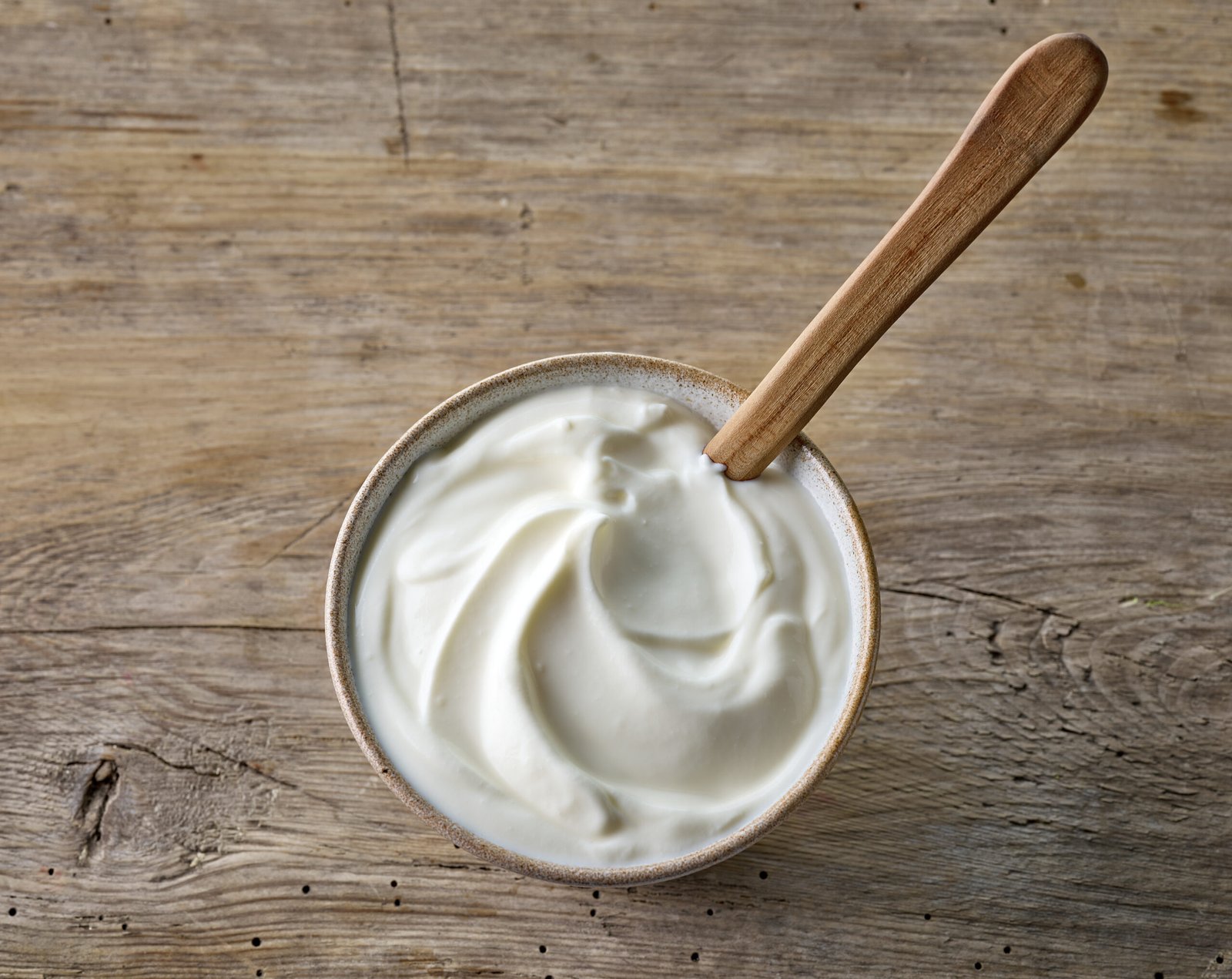
Practical Examples by Recipe Type
Not every recipe behaves the same way. Here's exactly what to expect when you make the swap in real dishes.
In Muffins or Quick Breads Use 1 cup Greek yogurt for 1 cup sour cream. Add 1 tablespoon of melted butter if you want a richer crumb. Your muffins will be slightly tangier but just as moist — honestly, sometimes better. Try it in easy snickerdoodle banana bread or best banana bread and you probably won't go back.
In Pancakes or Waffles This is one of the best swaps you can make. Greek yogurt gives you a slightly fluffier result with more lift, because of the extra acidity. Use it 1:1. The flavor difference is barely noticeable once you add syrup.
In Dips and Dressings Greek yogurt is arguably better here. It's thicker, tangier, and higher in protein. Use it 1:1. If it feels too thick, thin with a teaspoon of lemon juice or water. Works beautifully in creamy garlic ranch dip.
In Creamy Sauces (stovetop) This is where you need to be careful. Both Greek yogurt and sour cream can curdle over high heat. Add either one at the very end, off the heat, and stir gently. Don't boil.
In Cinnamon Rolls Yes, it works. The extra acidity in Greek yogurt actually helps activate the leavening a little more. Use full-fat for the closest result to sour cream.
Best Uses for Each
Use Greek Yogurt When:
- You want a lighter option
- You’re baking or making dips
- You like a slightly tangier flavor
Use Sour Cream When:
- You want maximum richness
- You’re making creamy sauces
- You need a smoother texture
Common Mistakes to Avoid
- Using nonfat yogurt in rich recipes → can make results dry
- Overheating Greek yogurt → can cause curdling
- Skipping texture adjustments → may affect consistency
- Not tasting before serving → yogurt can be more tangy
You can also use Greek yogurt in dips for a lighter option—like in this creamy homemade ranch dip that’s perfect for veggies and appetizers.
FAQ
Does Greek yogurt taste the same as sour cream?
Not exactly. Greek yogurt is tangier, while sour cream is richer and milder.
Can I use Greek yogurt in dips instead of sour cream?
Yes—this is one of the best uses. It creates a creamy, slightly lighter dip.
Is Greek yogurt healthier than sour cream?
Generally yes. It’s higher in protein and lower in fat (depending on the type).
Can I bake with Greek yogurt instead of sour cream?
Yes, and it works very well in most baked goods like muffins and cakes.
Can I use low-fat or nonfat Greek yogurt as a substitute?
You can, but it's the one swap I'd push back on for baking. Nonfat Greek yogurt is significantly lower in fat, which can make baked goods slightly dry or gummy. Full-fat is always your best bet when substituting in recipes that rely on fat for texture and richness.
What about flavored Greek yogurt?
Skip it for savory dishes and baking. Flavored yogurts have added sugar and artificial flavors that will throw off your recipe. Plain, unflavored Greek yogurt only.
Will my baked goods taste sour if I use Greek yogurt?
Not noticeably. The tanginess bakes off and blends with the other flavors. If you're sensitive to it, add an extra teaspoon of vanilla or a pinch more sugar.
Can Greek yogurt replace sour cream in stroganoff?
Yes, but add it at the very end with the heat off. Stir it in slowly. If you add it over direct heat, it may curdle and you'll end up with a grainy sauce.
Final Thoughts
Greek yogurt and sour cream may look similar, but they bring slightly different things to a recipe. The good news is that with a few simple adjustments, you can swap them in most cases without sacrificing texture or flavor.
Once you understand how each one behaves, you’ll be able to confidently use what you have on hand—and even improve your recipes in the process.
Pin to Pinterest
Related
Looking for other recipes like this? Try these:



Pairing
These are my favorite dishes to serve with [this recipe]: