Stocking a gluten free pantry can feel overwhelming at first.
You walk into the store.
You flip packages over.
You Google ingredients in the aisle.
And suddenly something as simple as flour feels complicated.
The good news?
Once your pantry is set up properly, gluten free cooking becomes easy. Predictable. Enjoyable.
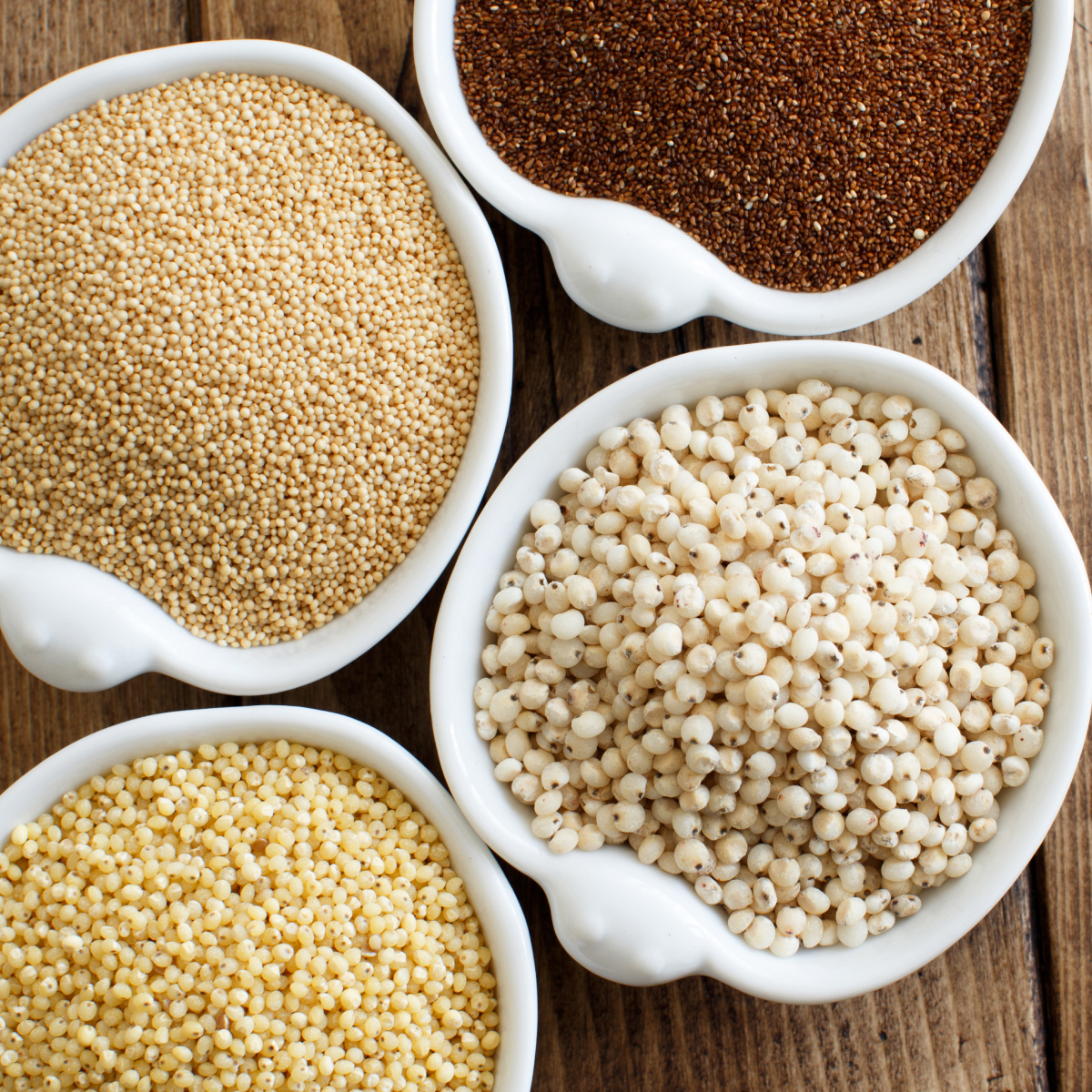
This guide walks you through exactly what to keep on hand — whether you're newly gluten free or simply want a well-stocked, flexible kitchen.
No fluff. No specialty items you’ll never use.
Just practical, versatile staples that make everyday cooking simple.
Jump to:
Why a Well-Stocked Gluten Free Pantry Matters
When your pantry is ready, you can:
- Bake without a last-minute store run
- Thicken sauces confidently
- Make weeknight dinners quickly
- Adapt recipes easily
Gluten free cooking is hardest when you’re unprepared.
It becomes effortless when your staples are organized and reliable.
Gluten Free Flours (The Foundation)
Flour is the biggest shift in gluten free cooking. Instead of one all-purpose flour, you’ll use a few reliable options.
Start simple.
1. Gluten Free All-Purpose Flour Blend
This is your everyday workhorse. Use it in cookies, cakes, pancakes, and quick breads.
Look for one that includes xanthan gum, unless you prefer to add it separately.
2. Almond Flour
Adds moisture and richness. Excellent for muffins, cookies, and crusts.
3. Oat Flour
Mild and slightly sweet. Great for pancakes and soft baked goods.
(Always use certified gluten free oats.)
4. Rice Flour
Light and neutral. Useful for dredging, thickening, and blending.
You don’t need ten specialty flours. These four cover most everyday recipes.
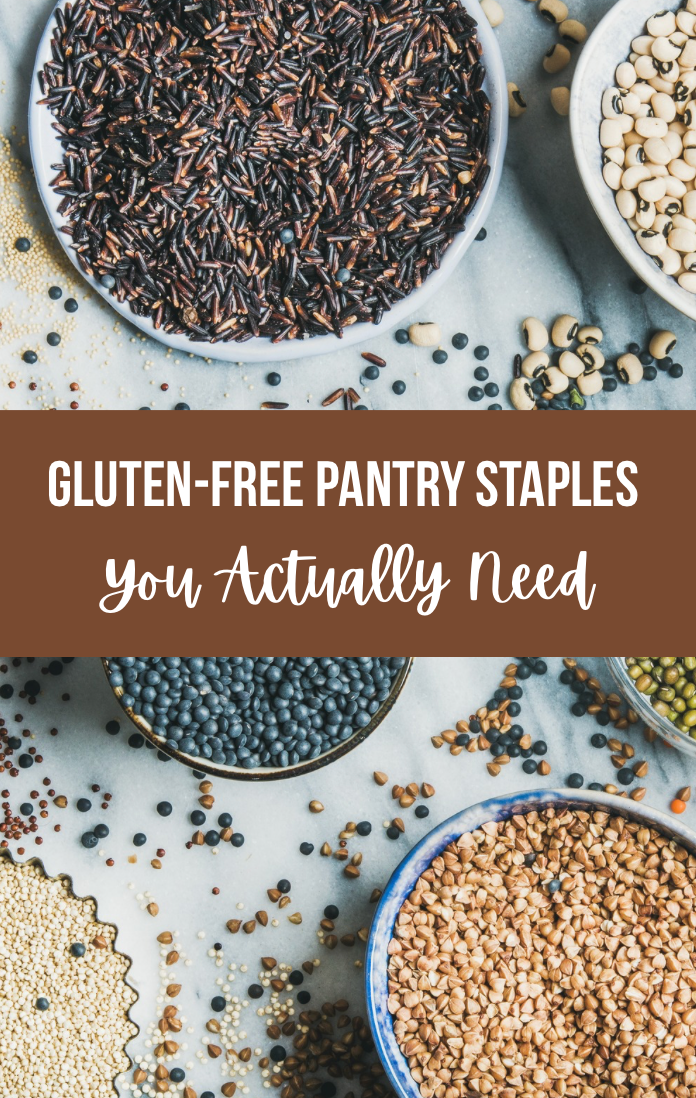
Gluten Free Grains & Starches
These are the building blocks for meals.
Keep a variety so dinner never feels repetitive.
White Rice
Simple, versatile, affordable.
Brown Rice
Hearty and slightly nutty.
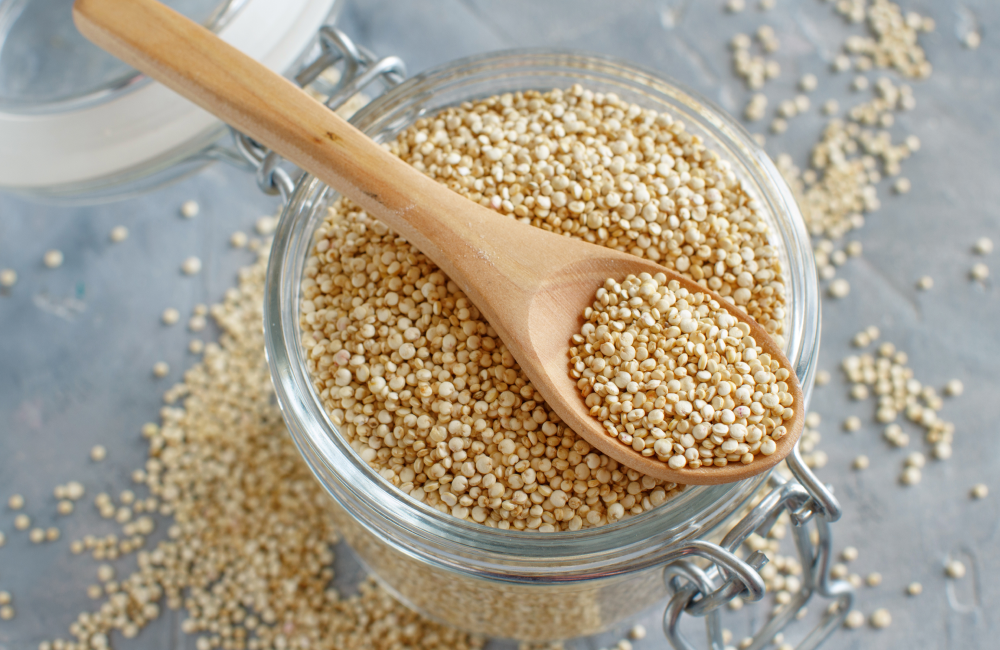
Quinoa
Protein-rich and fast cooking.
Cornstarch
Essential for thickening gravies, soups, and sauces.
Tapioca Starch
Adds chewiness and elasticity in baking.
Potato Starch
Improves texture in baked goods.
A small collection goes a long way.
Baking Essentials
These items ensure structure and texture in gluten free baking.
Xanthan Gum
Helps replace the elasticity gluten normally provides.
Baking Powder
Always check the label to confirm it’s gluten free.
Baking Soda
Naturally gluten free but still check for cross-contact warnings.
Active Dry Yeast
Important if you bake gluten free bread.
These are small items that make a big difference.
Gluten Free Pantry Proteins
Protein keeps meals balanced and filling.
Stock shelf-stable options for flexibility.
Canned Beans
Black beans, chickpeas, kidney beans.
Lentils
Budget-friendly and quick cooking.
Canned Tuna or Salmon
Perfect for easy lunches.
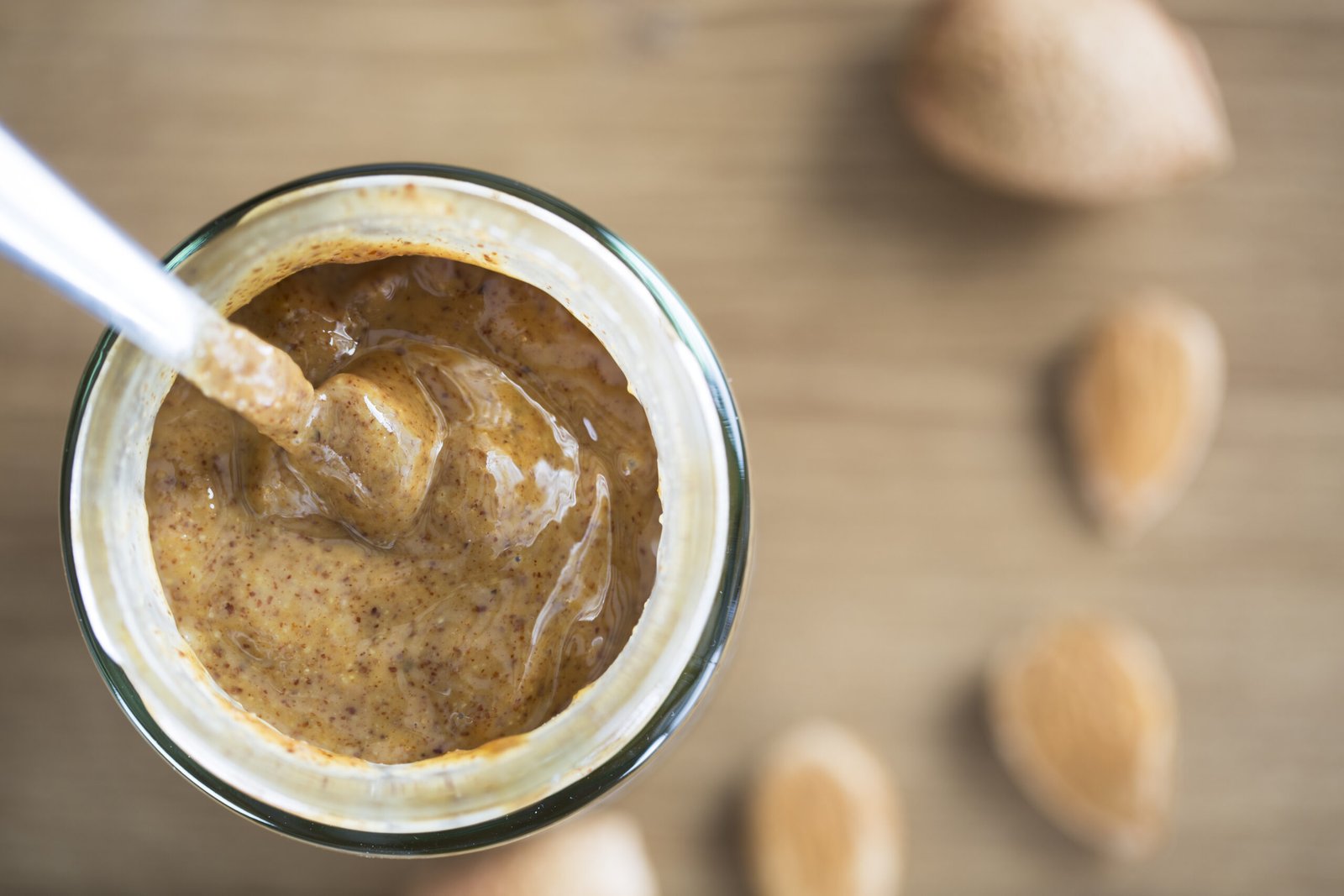
Nut Butters
Peanut, almond, or sunflower seed butter.
These make last-minute meals possible.
Flavor Boosters (Don’t Skip These)
Gluten free food should never feel bland.
Keep these on hand:
- Tamari (gluten free soy sauce)
- Coconut aminos
- Dijon mustard
- Apple cider vinegar
- Chicken or vegetable broth
- Olive oil
- Garlic powder
- Onion powder
Always double-check labels. Some condiments hide gluten.
Snacks & Convenience Staples
It helps to have safe options ready.
- Certified gluten free oats
- Gluten free pasta
- Gluten free crackers
- Popcorn
- Tortilla chips (labeled gluten free)
Convenience reduces temptation and stress.
Reading Labels the Smart Way
Even pantry staples can surprise you.
Watch for:
- Wheat
- Barley
- Rye
- Malt
- Brewer’s yeast
Look for certified gluten free seals when possible.
If you’re cooking for someone with celiac disease, cross-contact matters. Use separate containers and clean prep surfaces carefully.
How to Organize a Gluten Free Pantry
Organization prevents mistakes.
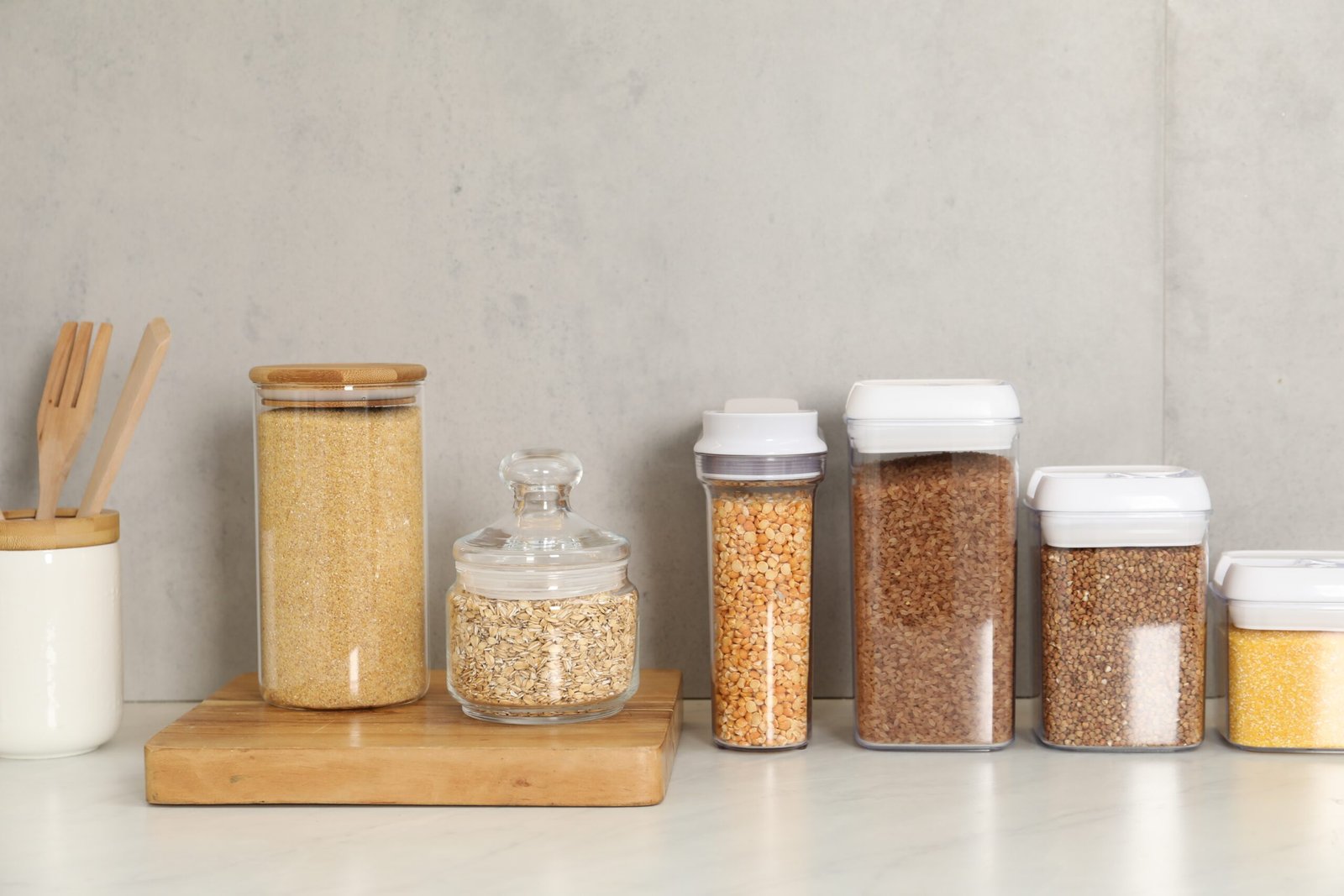
- Store gluten free flours in airtight containers
- Label everything clearly
- Keep gluten free ingredients separate if others in your household eat gluten
- Rotate older items forward
Clear systems create confidence.
I’ve linked all my favorite baking tools on my Shop My Kitchen page if you’d like to see what I use regularly.
A Simple Starter Pantry List
If you’re just beginning, start here:
- Gluten free all-purpose flour
- Rice
- Quinoa
- Cornstarch
- Canned beans
- Tamari
- Olive oil
- Baking powder
- Xanthan gum
Build slowly from there.
You don’t need everything at once.
Why This Pantry System Works
Instead of collecting random specialty items, this approach focuses on:
- Versatility
- Accessibility
- Budget-friendly staples
- Everyday usability
It supports baking and cooking without overcomplicating your kitchen.
Once these basics are stocked, you can make:
- Pancakes
- Cookies
- Muffins
- Stir-fries
- Soups
- Grain bowls
- Pasta dishes
That’s a fully functional kitchen.
If you're looking for an Easy Gluten Free Sourdough Recipe try out this one!
Final Thoughts
Gluten free cooking doesn’t have to feel restrictive.
It’s simply different.
When your pantry is thoughtfully stocked, you stop feeling limited and start feeling capable.
You can cook confidently.
Bake reliably.
Host comfortably.
And most importantly — you can focus on enjoying your food, not worrying about it.
Pin to Pinterest
Related
Looking for other recipes like this? Try these: