Butter is one of those baking staples you don’t think about until you run out right in the middle of a recipe. Or maybe you’re looking for a dairy-free option, trying to cut back on saturated fat, or just curious what actually works as a substitute.
The good news is you have more options than you think.
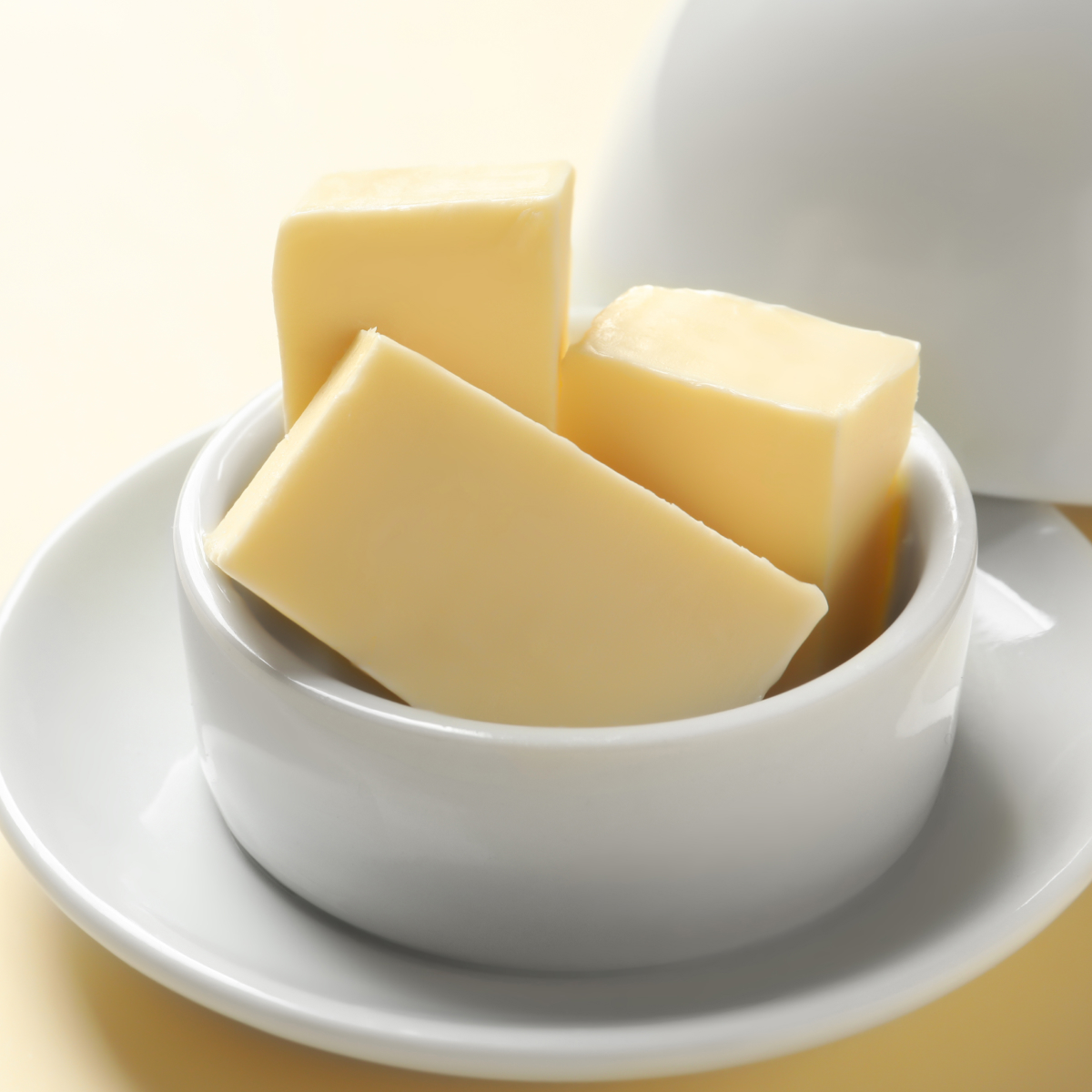
From oils to yogurt to applesauce, there are plenty of ways to replace butter in baking, but not all swaps behave the same. Some create soft, moist cakes, while others affect structure and texture in cookies or pastries.
In this guide, I’ll walk you through the best butter substitutes for baking, when to use each one, and how to get reliable results every time.
If you’re building out your baking swaps toolkit, you can also check out my baking ingredient substitutions guide for more easy replacements.
Jump to:
Quick Answer
The best butter substitutes for baking are:
- Vegetable oil (1:1 ratio)
- Coconut oil (1:1 ratio)
- Greek yogurt (½–¾ of the butter amount)
- Applesauce (½–¾ of the butter amount)
- Margarine or plant-based butter (1:1 ratio)
The best choice depends on what you’re baking and whether you need moisture or structure.
Why It Matters
Butter plays multiple roles in baking. It affects:
- Moisture – keeps baked goods soft
- Structure – helps create crumb and stability
- Flavor – rich and creamy
- Texture – especially important in cookies and pastries
When you substitute butter, you are not just replacing fat. You are replacing how the recipe behaves.
Best Butter Substitutes for Baking
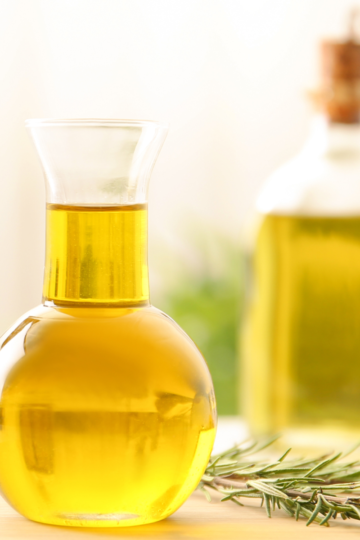
Vegetable Oil
How to use:
Replace butter in a 1:1 ratio.
Best for:
- Cakes
- Muffins
- Quick breads
Why it works:
Oil creates a softer, more tender crumb and adds moisture.
Watch out for:
- Less structure than butter
- Not ideal for cookies that need crisp edges
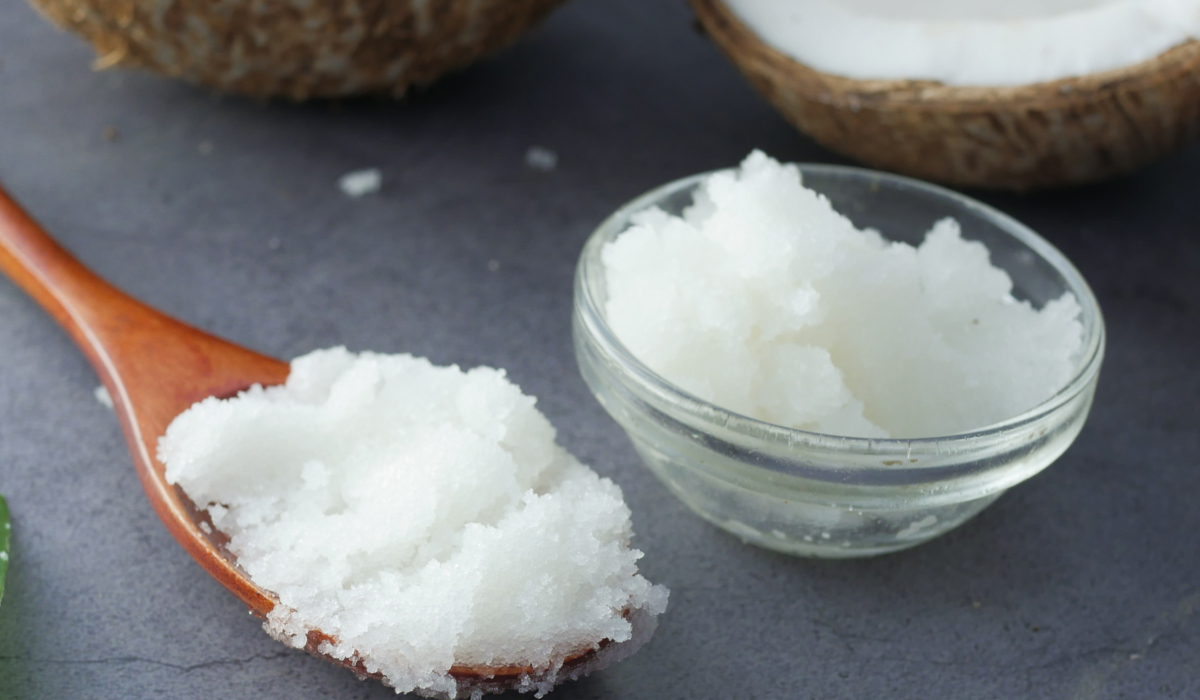
Coconut Oil
How to use:
Replace butter in a 1:1 ratio.
Best for:
- Cookies
- Brownies
- Cakes
Why it works:
- Solid at room temperature
- Mimics butter more closely than liquid oils
Watch out for:
- Can add coconut flavor (use refined if you want neutral)
Greek Yogurt
How to use:
Use ½–¾ the amount of butter.
Best for:
- Cakes
- Muffins
- Quick breads
Why it works:
- Adds moisture and protein
- Creates a soft texture
Watch out for:
- Slightly denser texture
- Mild tang
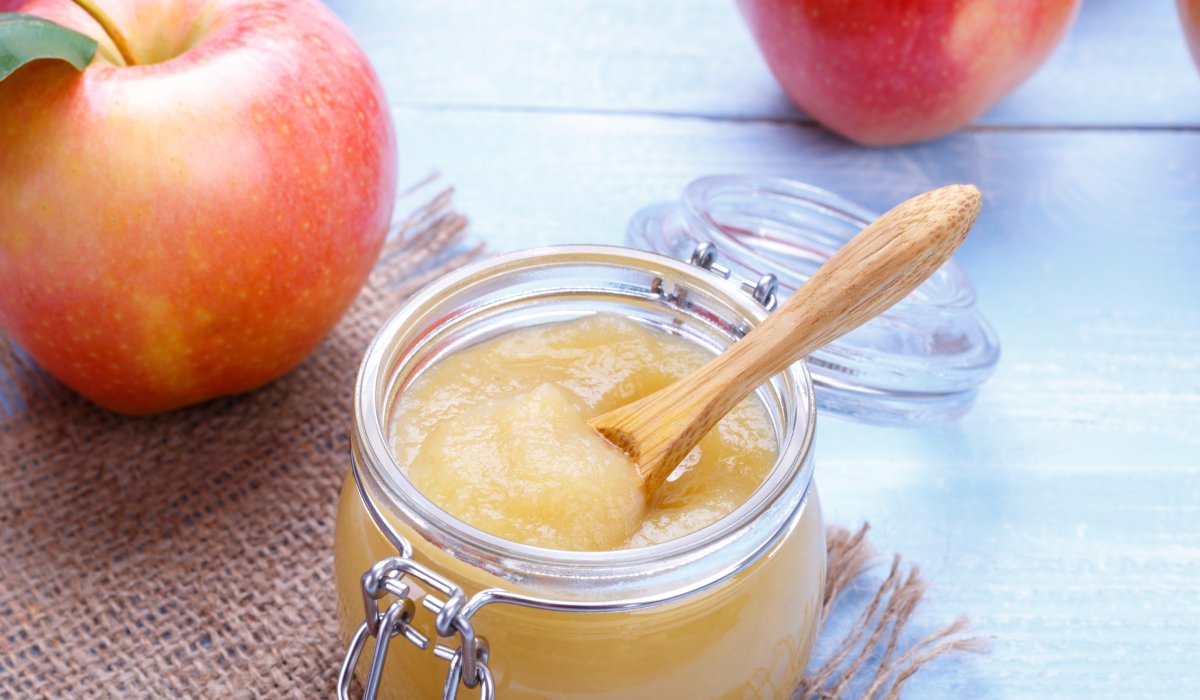
Applesauce
How to use:
Use ½–¾ the amount of butter.
Best for:
- Muffins
- Cakes
- Quick breads
Why it works:
- Adds moisture with less fat
Watch out for:
- Less richness
- Softer texture
Margarine or Plant-Based Butter
How to use:
Replace butter in a 1:1 ratio.
Best for:
- Cookies
- Frosting
- Pastries
Why it works:
- Closest match to butter
- Similar fat structure
Watch out for:
- Flavor varies by brand
- Some contain more water
Missing a few ingredients? These easy substitution guides will help you keep baking without a last-minute store run:
You can also explore the full baking substitutions guide for even more options.
Butter Substitute Conversion Guide
| Butter Amount | Oil | Coconut Oil | Greek Yogurt | Applesauce |
|---|---|---|---|---|
| 1 cup | 1 cup | 1 cup | ½–¾ cup | ½–¾ cup |
| ½ cup | ½ cup | ½ cup | ¼–⅓ cup | ¼–⅓ cup |
Practical Example
If you’re making a chocolate cake:
Use vegetable oil
- Keeps the cake moist
- Maintains soft texture
- Neutral flavor
If you’re making cookies:
Use plant-based butter or coconut oil
- Provides needed structure
- Prevents spreading too much
Common Mistakes
- Using oil in cookies without adjusting
Leads to flat, greasy cookies - Replacing butter 1:1 with applesauce
Can create gummy texture - Ignoring flavor differences
Coconut oil and yogurt can change taste - Not considering texture
Butter = structure
Substitutes = mostly moisture
Troubleshooting
Baked goods too dense:
- Reduce yogurt or applesauce
- Add a small amount of oil
Too dry:
- Increase fat slightly
- Avoid overbaking
Too soft:
- Switch to a solid fat (coconut oil or plant butter)
FAQ
Can I substitute butter with oil in any recipe?
Oil works best in cakes and muffins, but not in cookies or pastries that need structure.
What is the healthiest butter substitute?
Applesauce and Greek yogurt are lower in fat, but they affect texture.
What is the closest substitute to butter?
Plant-based butter or margarine.
Can I combine substitutes?
Yes. Combining yogurt and oil can balance moisture and structure.
Final Thoughts
Butter substitutes can work very well in baking when you choose the right one for your recipe.
The key is understanding what your recipe needs. Some baked goods rely on moisture, while others depend on structure.
Once you match the substitute to the function, you can confidently swap butter without sacrificing results. For more easy, dependable swaps beyond butter, take a look at my complete guide to baking substitutions where I cover everything you need to keep baking without missing a step.
Related
Looking for other recipes like this? Try these:

Pin to Pinterest