You’re halfway through a recipe—maybe a silky gravy, glossy stir-fry sauce, or creamy pudding—when you realize you’re out of cornstarch. It’s one of those ingredients you don’t think about until you really need it.
The good news? There are several reliable cornstarch substitutes that can step in and still give you that smooth, thickened texture you’re after. The key is choosing the right substitute for the job, because not all swaps behave the same way.
This guide breaks down the best cornstarch substitutes, how to use them correctly, and when each one works best—so your recipe turns out exactly how you planned.
If you want a full breakdown of how to swap ingredients across all your favorite recipes, be sure to check out my complete baking substitution guide for even more easy fixes
Jump to:
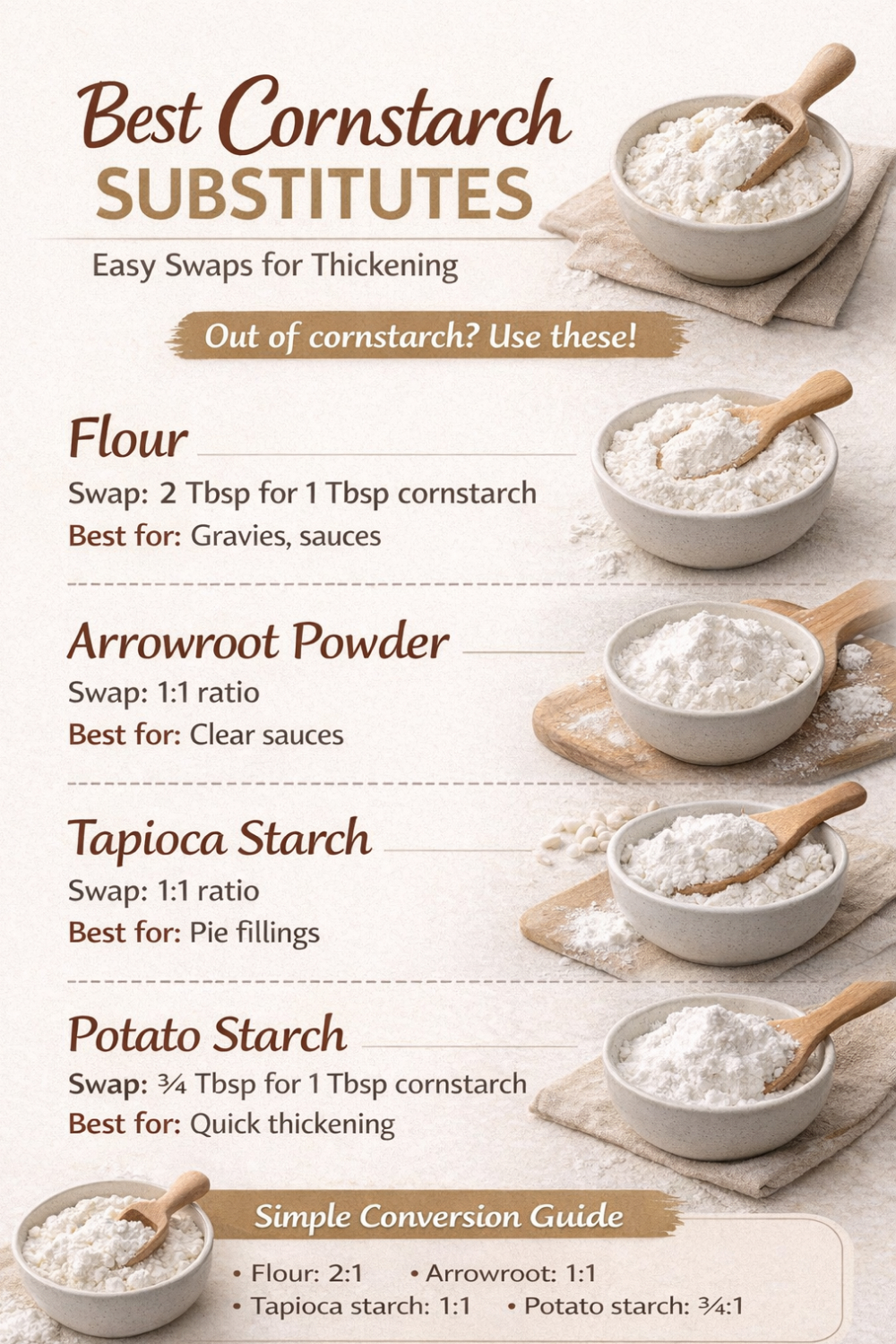
Quick Answer (Save This)
The best cornstarch substitutes are:
- Flour – best for gravies and sauces (use 2x amount)
- Arrowroot powder – closest substitute (use 1:1)
- Tapioca starch – great for glossy sauces (use 1:1)
- Potato starch – strong thickener (use slightly less)
Why Cornstarch Matters
Cornstarch isn’t just a thickener—it affects texture, clarity, and finish.
Here’s what it actually does:
- Thickens liquids quickly
- Creates a smooth, lump-free texture
- Adds a glossy, almost shiny finish to sauces
- Keeps baked goods tender
When you swap it, you’re not just replacing thickness—you’re adjusting how the final dish looks and feels.
Best Cornstarch Substitutes
Flour (All-Purpose Flour)
Best for: Gravies, soups, creamy sauces
Flour is the most common substitute and one you likely already have. It creates a thicker, slightly more opaque result compared to cornstarch.
How to use:
- Use 2 tablespoons flour for every 1 tablespoon cornstarch
- Cook it longer to remove the raw flour tast
Good to know:
This is a great option for comfort foods like gravy, but not ideal for clear sauces.
Arrowroot Powder
Best for: Clear sauces, glossy finishes, delicate recipes
Arrowroot is the closest match to cornstarch. It thickens quickly and creates a smooth, shiny finish.
How to use:
- Use 1:1 ratio
- Mix with cold water before adding
Good to know:
Avoid high heat for long periods—it can break down and lose its thickening power.
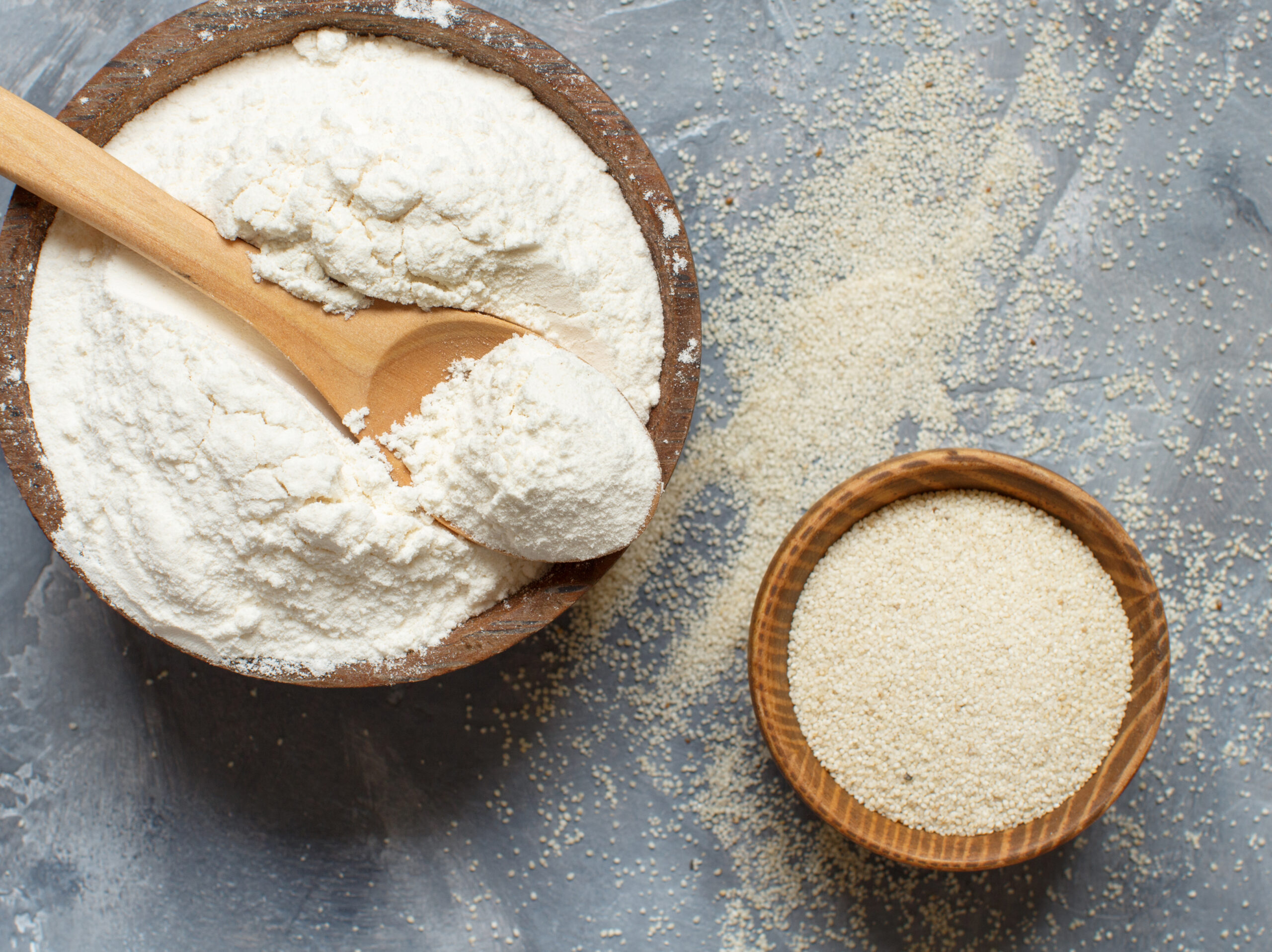
Tapioca Starch
Best for: Pie fillings, sauces, and glossy finishes
Tapioca starch gives a slightly stretchy, glossy texture, which works beautifully in fruit fillings and sauces.
How to use:
- Use 1:1 ratio
Good to know:
It can create a slightly chewy texture if overused, so measure carefully.
Potato Starch
Best for: Quick thickening at high heat
Potato starch is a powerful thickener that works fast and gives a silky finish.
How to use:
- Use slightly less than cornstarch (about ¾ amount)
Good to know:
Add it at the end of cooking—overheating can break it down.
Rice Flour
Best for: Gluten-free thickening
Rice flour creates a smooth texture and works well in soups and sauces.
How to use:
- Use 2 tablespoons rice flour for every 1 tablespoon cornstarch
For a deeper dive into ingredient swaps and how they affect texture and results, my ultimate ingredient substitution resource walks you through everything step-by-step.
Simple Conversion Guide
| Substitute | Ratio | Best Use |
|---|---|---|
| Flour | 2:1 | Gravies, creamy sauces |
| Arrowroot | 1:1 | Clear sauces |
| Tapioca Starch | 1:1 | Pie fillings, sauces |
| Potato Starch | ¾:1 | Quick thickening |
| Rice Flour | 2:1 | Gluten-free recipes |
Practical Example
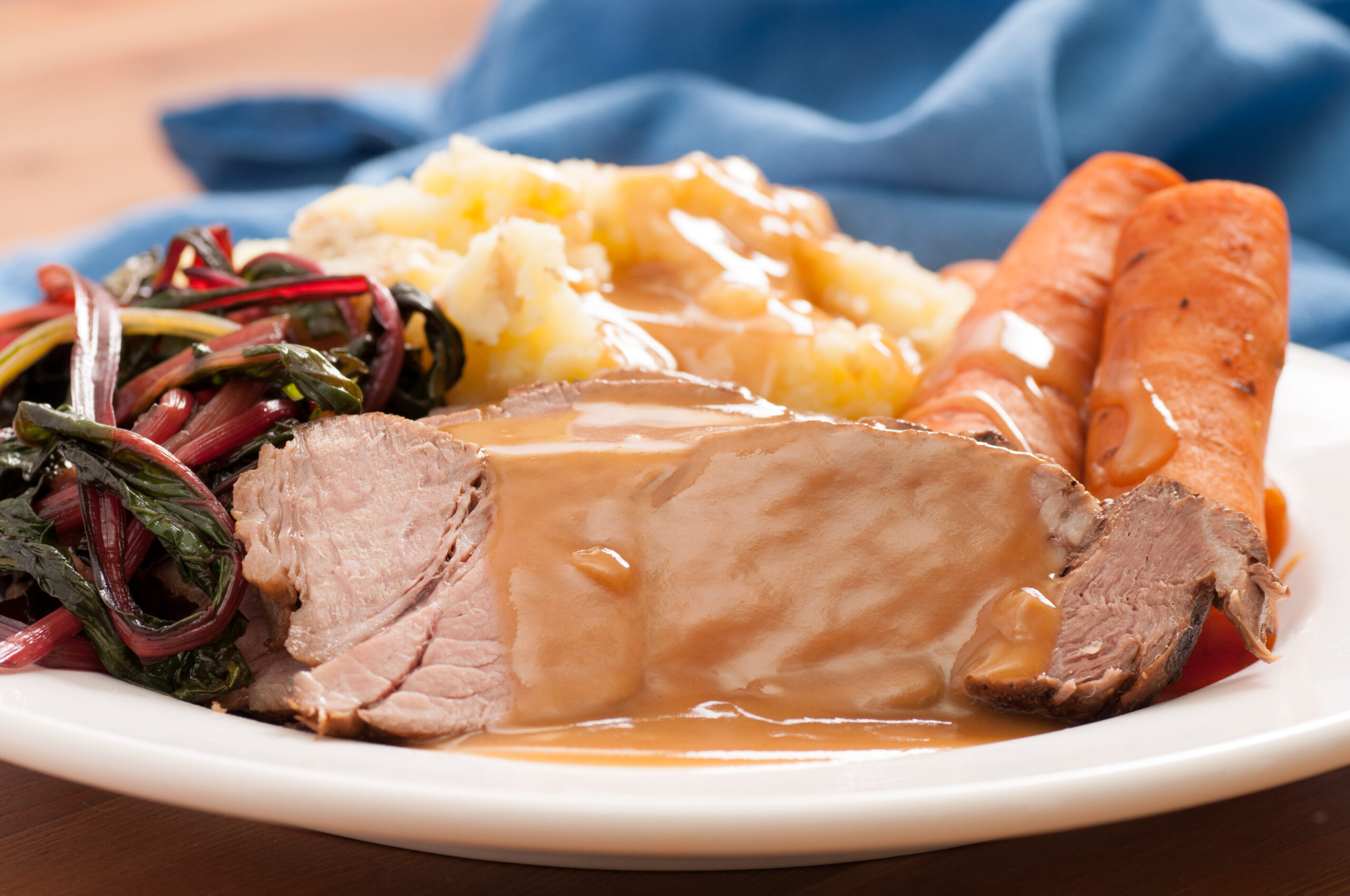
Scenario: You’re making gravy and run out of cornstarch.
Instead of stopping:
- Use 2 tablespoons flour instead of 1 tablespoon cornstarch
- Whisk it with butter or broth first to prevent lumps
- Let it simmer for a few extra minutes
Result: A slightly richer, more classic gravy texture that still works perfectly.
Common Mistakes to Avoid
1. Adding dry starch directly to hot liquid
→ Always mix with cold water first (this prevents clumping)
2. Using the wrong ratio
→ Flour needs more, potato starch needs less
3. Overheating delicate starches
→ Arrowroot and potato starch can break down if overcooked
4. Expecting identical results
→ Some substitutes change texture or clarity slightly
If you ever find yourself out of leavening agents too, my baking powder substitute guide walks you through easy swaps that still give you the lift and texture your recipes need.
FAQ
Can I substitute flour for cornstarch in frying?
Not exactly. Flour creates a heavier coating, while cornstarch gives that light, crispy texture.
What’s the closest substitute to cornstarch?
Arrowroot powder is the closest in both texture and performance.
Can I use baking powder instead of cornstarch?
No—baking powder is a leavening agent, not a thickener.
Which substitute is best for pie filling?
Tapioca starch works best because it creates a glossy, stable filling.
Final Thoughts
Running out of cornstarch doesn’t have to derail your recipe. Once you understand how each substitute behaves, you can confidently swap based on what you have—and still get great results.
The key is simple: match the substitute to your recipe’s needs. Whether you’re thickening a rich gravy, a delicate sauce, or a fruit filling, there’s always a reliable option in your pantry.
You can also explore my all-in-one baking swaps guide to see how different substitutions work together in both baking and cooking.
Related
Looking for other recipes like this? Try these:
Pin to Pinterest