Hosting a buffet can feel a little like walking a tightrope. Make too little food and guests go hungry. Make too much and you’re staring at a refrigerator full of leftovers for a week.
The good news is that buffet planning doesn’t have to be guesswork. With a few simple portion guidelines, you can estimate exactly how much food to prepare for your guests so everyone eats well and nothing goes to waste.

This buffet portion guide breaks down how much food to serve per person for appetizers, main dishes, sides, desserts, and drinks. Whether you’re planning a holiday gathering, birthday party, potluck, or casual dinner buffet, these guidelines will help you plan with confidence.
If you’re also planning other parts of your menu, you may find it helpful to reference guides like How Much Mashed Potatoes to Make Per Person or Easy Holiday Gravy Calculator when building your full meal.
For a complete breakdown of how much food to serve, see this party food planning guide with serving charts.
Jump to:
Quick Answer: How Much Food Per Person for a Buffet
For most buffet-style meals, plan for about 1 to 1¼ pounds of food per adult guest total. This includes the main dish, side dishes, salads, bread, and dessert.
This buffet portion guide helps you estimate exactly how much food per person to prepare for a buffet so you can plan confidently for any gathering.
A typical buffet portion breakdown looks like this:
| Food Category | Amount Per Person |
|---|---|
| Protein | 6–8 ounces |
| Side dishes | 4–6 ounces each |
| Salad | 2–3 ounces |
| Bread | 1–2 pieces |
| Dessert | 1–2 servings |
Why Portion Planning Matters for Buffets
Buffets work differently than plated meals. Guests tend to take smaller portions but often return for seconds. Some foods disappear quickly, while others are barely touched.
Planning the right portions helps you:
• Prevent running out of food
• Avoid excessive leftovers
• Save money on ingredients
• Reduce stress during hosting
Once you understand the basic buffet formula, you can scale it easily for any number of guests.
The Simple Buffet Portion Formula
A good rule of thumb for buffet meals is:
1 to 1¼ pounds of total food per adult guest
This includes everything being served — main dishes, sides, salads, bread, and dessert.
If you’re hosting a lighter gathering with appetizers and finger foods, portions will be slightly smaller.
For events with hearty comfort foods — like casseroles, pasta dishes, or baked chicken — portions may lean toward the higher end of the range.
Buffet Food Calculator
Use this quick formula to estimate your buffet food quantities:
Number of Guests × 1.25 pounds = Total Food Needed
Example:
20 guests × 1.25 pounds = 25 pounds of total food
You can then divide that into:
- 10 pounds protein
- 8 pounds sides
- 4 pounds vegetables
- 3 pounds dessert
For example, side dishes like mashed potatoes can be estimated using guides like How Much Mashed Potatoes to Make Per Person.

Buffet Portion Guide by Food Category
Here’s a practical breakdown of how much food to prepare per person.
Main Dishes
Plan for 6–8 ounces of protein per guest.
Examples include:
• roasted chicken
• pulled pork
• baked salmon
• pasta dishes
• casseroles
If you’re serving multiple main dishes, guests will usually take smaller portions of each.
Example:
For two main dishes, prepare about 4 ounces per person per dish.
Hearty comfort foods like casseroles or creamy pasta dishes tend to fill guests up faster, so slightly smaller portions may work well.
Side Dishes
Side dishes typically range from 4–6 ounces per guest per side.
Common buffet sides include:
• roasted vegetables
• rice or quinoa
• pasta salad
• potato dishes
• dinner rolls
Most buffets include two to four sides, depending on the event.
Bread and Rolls
Bread is often eaten alongside the main meal.
Plan for:
1–2 rolls per person
If you’re serving homemade rolls or rustic bread loaves, guests may take slightly more.
For example, homemade rolls are especially popular at buffets and family-style dinners.
Appetizers
If appetizers are served before the buffet meal, plan for about:
3–5 pieces per person
If appetizers are the main food being served, increase to:
8–12 pieces per person
Common buffet appetizers include:
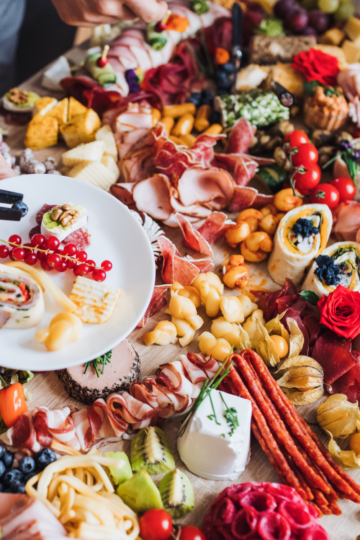
• cheese boards
• vegetable platters
• sliders
• dips and crackers
Crowd-friendly appetizer spreads like Charcuterie Board Guide + Ideas are especially useful when hosting larger groups.

Dessert
For dessert buffets, plan for:
1–2 servings per guest
If you’re serving multiple dessert options, guests often take smaller portions of each.
Popular buffet desserts include:
• brownies
• cookies
• sheet cake
• lemon bars
Classic crowd-pleasers like brownies or cookies tend to disappear quickly. Recipes such as Brown Butter Snickerdoodle Cookies or Fudgy Hot Chocolate Brownies are easy to scale for larger gatherings.
Drinks
Drink planning is often overlooked but just as important.
A general guideline is:
2 drinks per guest for the first hour
1 drink per guest for each additional hour
Examples include:
• water
• sparkling drinks
• lemonade
• iced tea
If your buffet includes heavier foods, guests may drink more than expected.
Sample Buffet for 20 Guests
Here’s what a balanced buffet might look like for 20 people:
Main Dish
• 10 pounds roasted chicken
Side Dishes
• 5 pounds mashed potatoes
• 4 pounds roasted vegetables
• 3 pounds rice or grains
Bread
• 30 dinner rolls
Appetizers
• 80 appetizer pieces
Dessert
• 20–30 dessert servings
This structure gives guests enough variety while keeping portions manageable.

Factors That Affect Buffet Portions
Not every buffet is the same. A few factors can change how much food you should prepare.
Time of Day
Lunch buffets usually require smaller portions than dinner buffets.
Guest Appetite
Teenagers and younger adults often eat more than children or older guests.
Number of Dishes Served
The more dishes you offer, the smaller portions guests typically take of each item.
Large buffets with many options often require less of each individual dish.
Event Type
Holiday meals and celebration dinners usually involve heavier portions than casual gatherings.
Tips for a Smooth Buffet Setup
Good buffet planning isn’t just about food quantity — it’s also about how the food is arranged.
Here are a few hosting tips:
• Place plates at the beginning of the buffet line
• Put main dishes first
• Place sides next
• Put bread and condiments last
• Keep dessert on a separate table if possible
This helps prevent bottlenecks and keeps the flow moving smoothly.
Example Buffet Menu for 20 Guests
To make buffet planning easier, it helps to visualize what a balanced menu might look like. Here’s an example of how you could structure a buffet for about 20 guests, with a mix of protein, sides, vegetables, bread, and dessert.
Main Dish
A flavorful chicken dish works well as the centerpiece of the meal. Options like Authentic Butter Chicken (Murgh Makhani) or simple roasted chicken are both excellent choices because they hold well on a buffet table and serve easily.
Side Dish
Rice is a classic buffet side because it pairs with many main dishes and can be made in large batches. Fragrant basmati rice works especially well alongside butter chicken or other saucy dishes.
Vegetable
Adding roasted vegetables helps balance richer dishes and brings color to the buffet table. A simple mix of roasted broccoli and carrots is easy to prepare and complements both chicken and rice dishes.
Bread
Bread helps round out the meal and gives guests something to scoop sauces with. Soft homemade rolls or warm naan like Soft Homemade Naan Bread are both great buffet options.
Dessert
For dessert, choose treats that are easy to portion and serve. Brownies and cookies are always popular choices for buffet tables because guests can grab a small portion after the meal.
Recipes like Grandmas Chewy Molasses Cookies or Gooey Chocolate Crinkle Cookies are perfect for serving a crowd and can be made ahead of time.

Frequently Asked Questions
How much food should I prepare for a buffet per person?
Plan for about 1 to 1¼ pounds of food per guest including mains, sides, and desserts.
What foods work best for buffet-style meals?
Foods that hold temperature well work best, such as casseroles, roasted meats, pasta dishes, and baked sides.
Should I prepare extra food for a buffet?
It’s usually wise to prepare 10–15% extra food, especially for popular dishes.
This ensures late-arriving guests still have plenty to enjoy.
Why This Buffet Portion Guide Works
This guide focuses on practical portion ranges that are easy to scale for gatherings of any size.
Instead of rigid serving sizes, the recommendations allow flexibility depending on the number of dishes served and the type of event.
That flexibility makes buffet planning simpler and helps hosts avoid both food shortages and unnecessary waste.
Final Thoughts
Hosting a buffet doesn’t have to feel overwhelming. Once you understand how much food people typically eat, planning a menu becomes much easier.
By using these portion guidelines, you can build a balanced buffet that keeps guests satisfied without over-preparing.
Whether you’re hosting a holiday dinner, a casual potluck, or a family celebration, thoughtful portion planning helps everything run smoothly so you can focus on enjoying the gathering.
Related
Looking for other recipes like this? Try these:

Pin to Pinterest