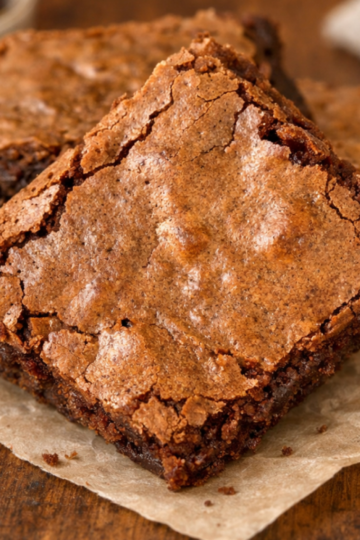
I've been making snickerdoodles since my mom let me near the stand mixer, and for years I made them exactly the way she did — straight melted butter, generous cinnamon sugar, done. Then one afternoon I had brown butter cooling on the counter from another recipe, and on impulse I used it instead. The cookies that came out of the oven that day were unmistakably snickerdoodles, but somehow deeper. Warmer. The kind of cookie that makes someone pause mid-bite.
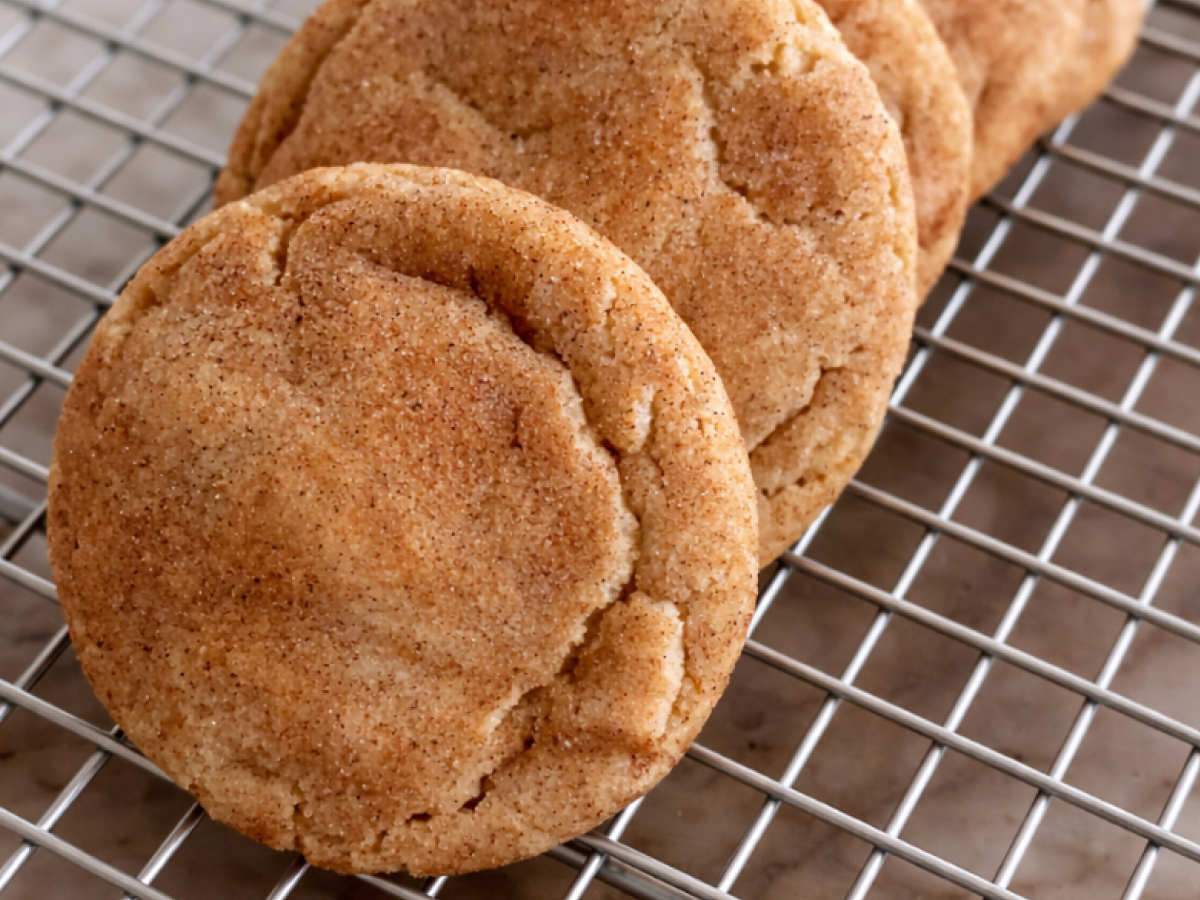
That's what brown butter does to a snickerdoodle. It keeps everything you love about the original — the soft chew, the crackly cinnamon sugar coating, the way they smell when they hit the oven — and adds this nutty, almost caramelized depth that makes them taste bakery-made.
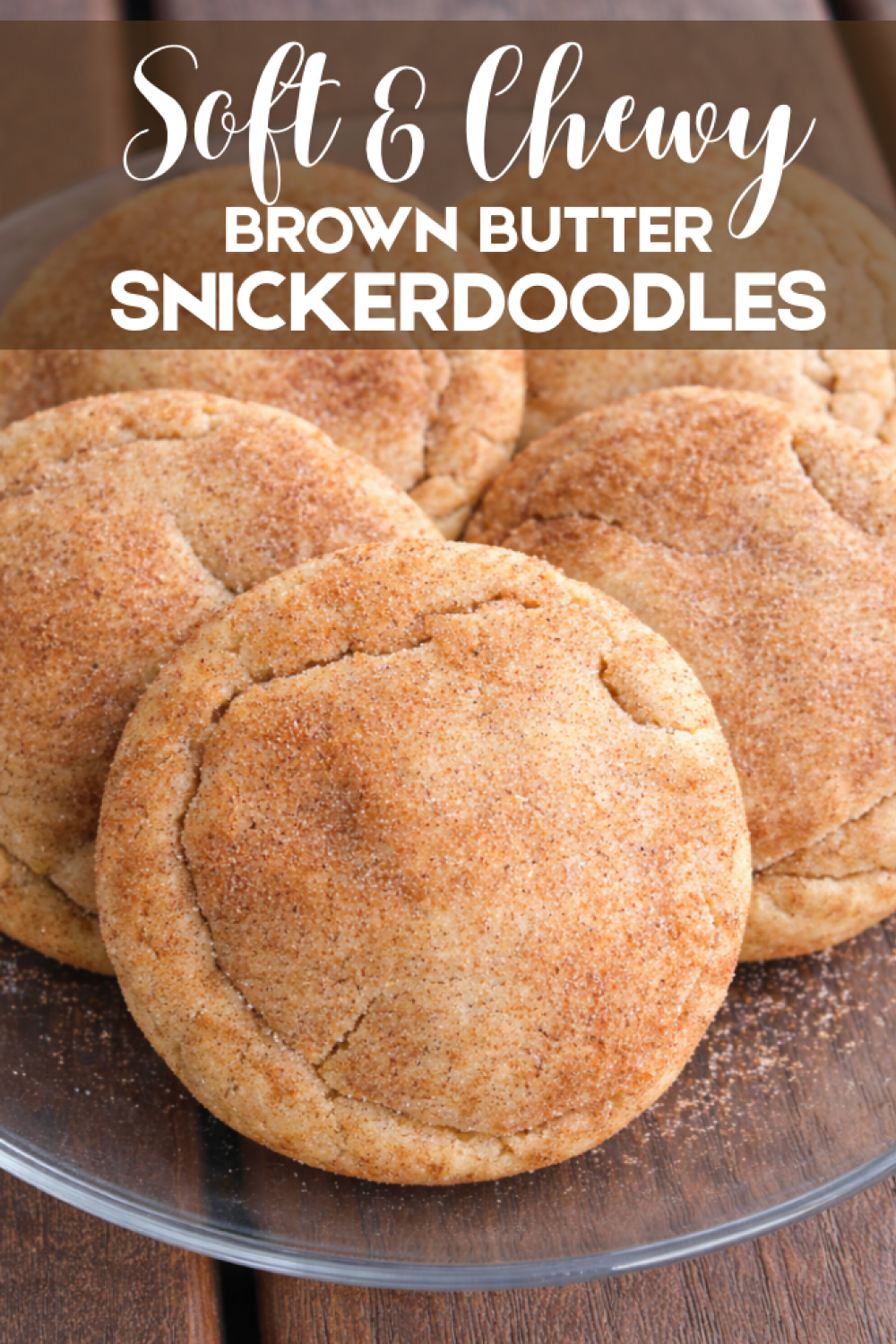
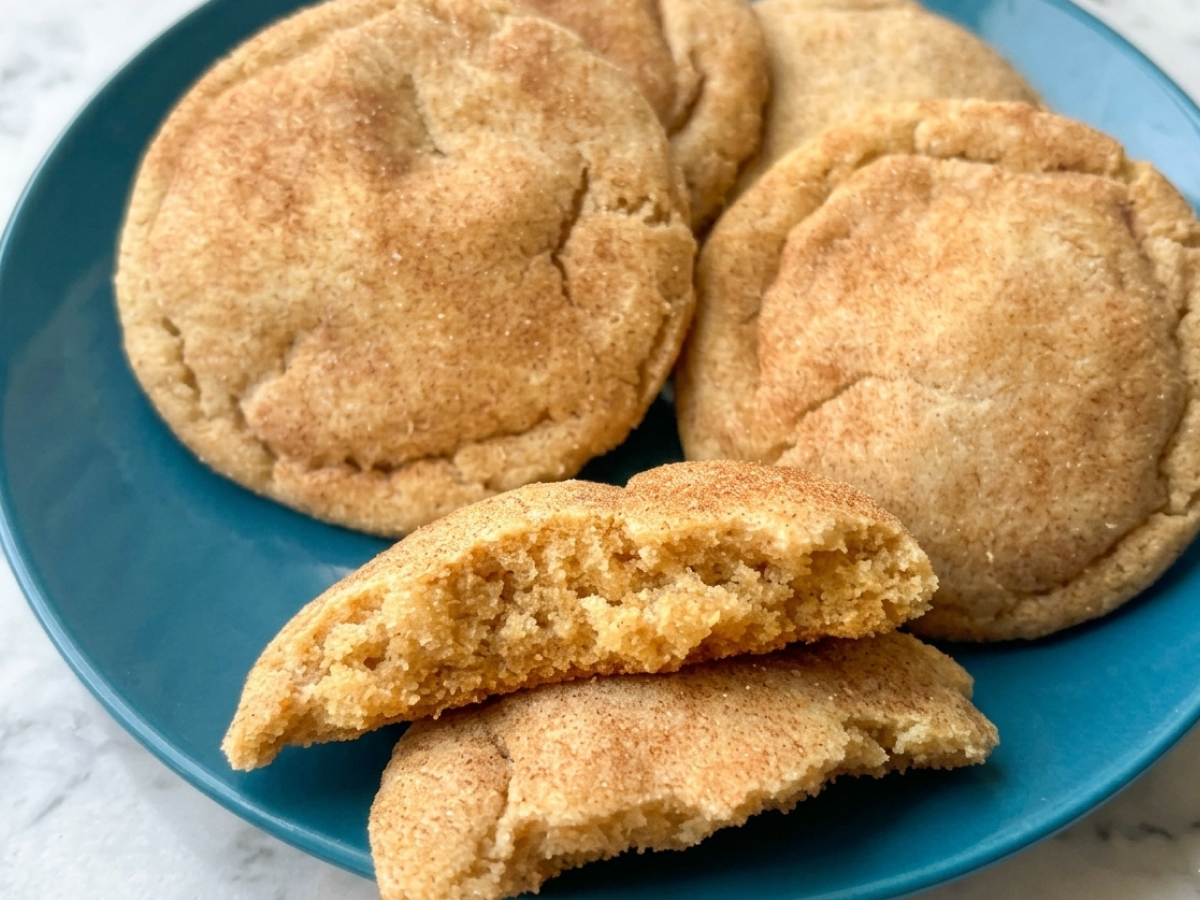
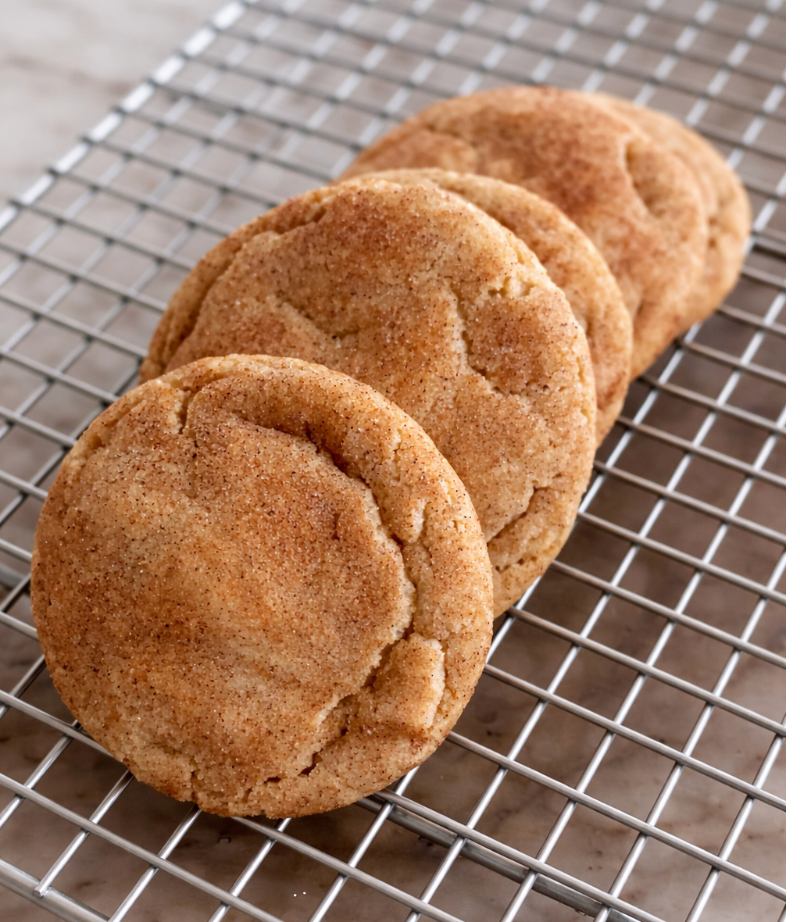
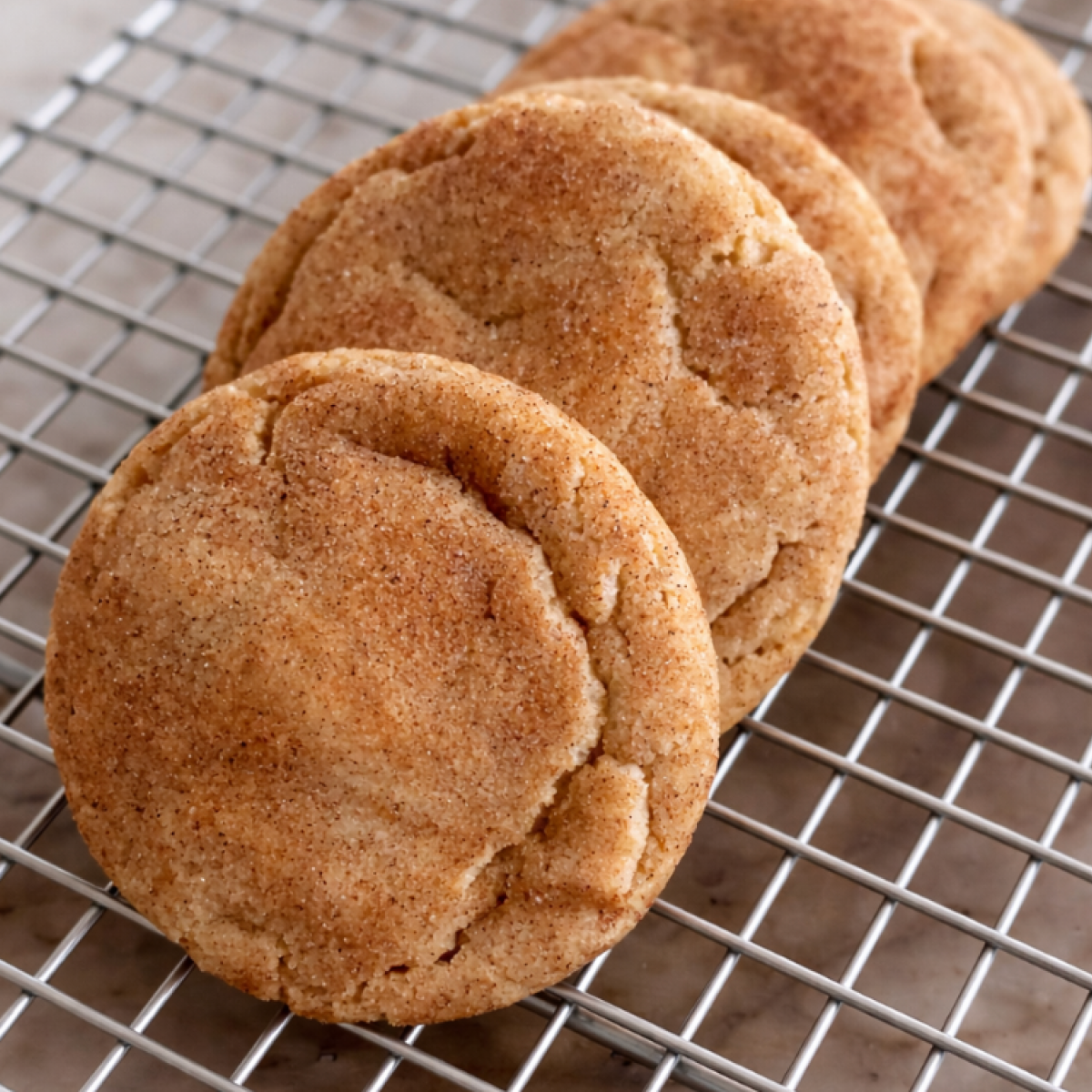
These come out with lightly crisp edges, properly soft centers, and that classic snickerdoodle crackle on top. They're the recipe I make when I want a cookie that feels familiar but tastes like I tried a little harder than I actually did.
Jump to:
Why You’ll Love This Recipe
- Deep nutty brown butter flavor
- Soft and chewy centers
- Slightly crisp edges
- Perfect cinnamon sugar coating
- No chilling for hours
- Reliable, bakery-style texture
- Simple pantry ingredients
This is the kind of cookie that feels familiar — but tastes special.
Ingredient Breakdown
Butter
We brown the butter first. This is what gives these cookies their signature rich, nutty flavor. Brown butter adds depth and warmth without adding extra ingredients.
Granulated Sugar
Provides sweetness and helps create those slightly crisp edges.
Brown Sugar
Adds moisture and chew. The combination of white and brown sugar creates the ideal texture balance.
Eggs
Bind everything together and add structure.
Vanilla
Enhances the warm flavor of the brown butter.
All-Purpose Flour
Gives the cookies structure without making them dense.
Cream of Tartar
The key ingredient in traditional snickerdoodles. It gives that subtle tang and soft texture.
Baking Soda
Provides lift.
Cinnamon
Goes into both the dough and the coating for layered flavor.
Cinnamon Sugar Coating
This is what creates the crackly top and that classic snickerdoodle finish.
Instructions
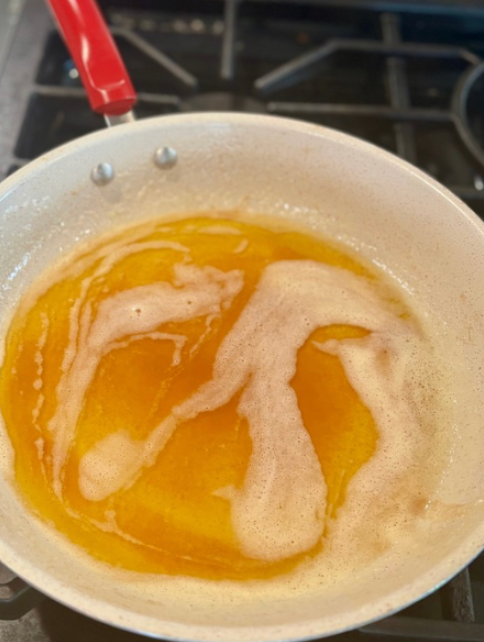
- Step 1: Brown the butter, set aside and allow to cool for 15 minutes.
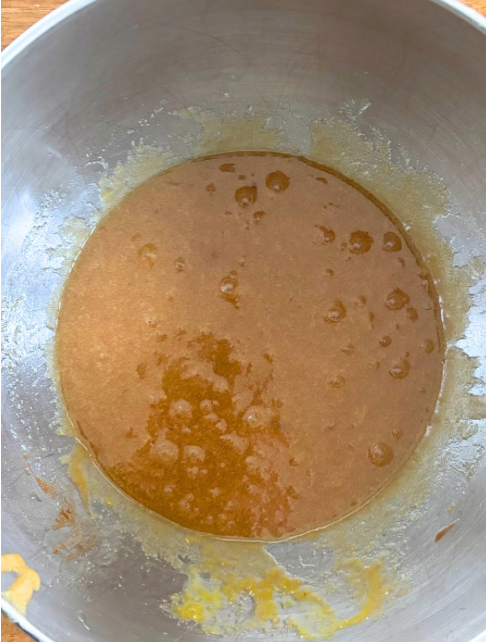
- Step 2: Mix sugars, then add eggs and vanilla. Mixture should be smooth.
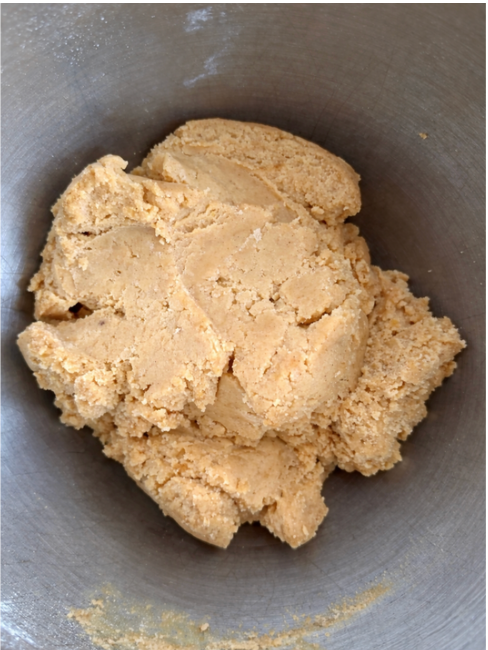
- Step 3: In a separate bowl, mix dry ingredients and then add into wet. Mixing just until fully combined. Allow dough to chill for 45 minutes.
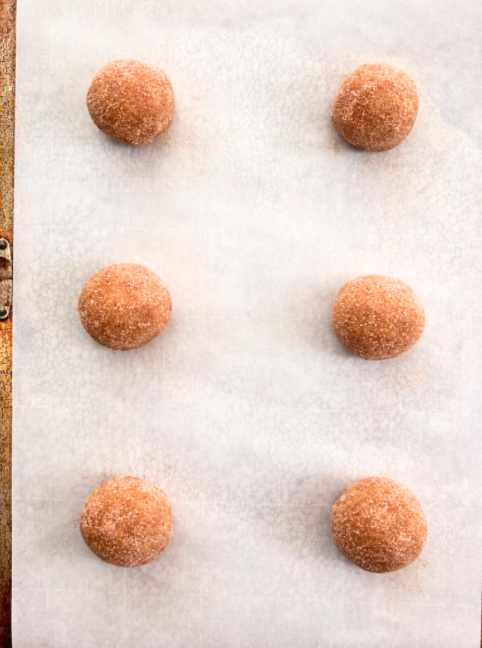
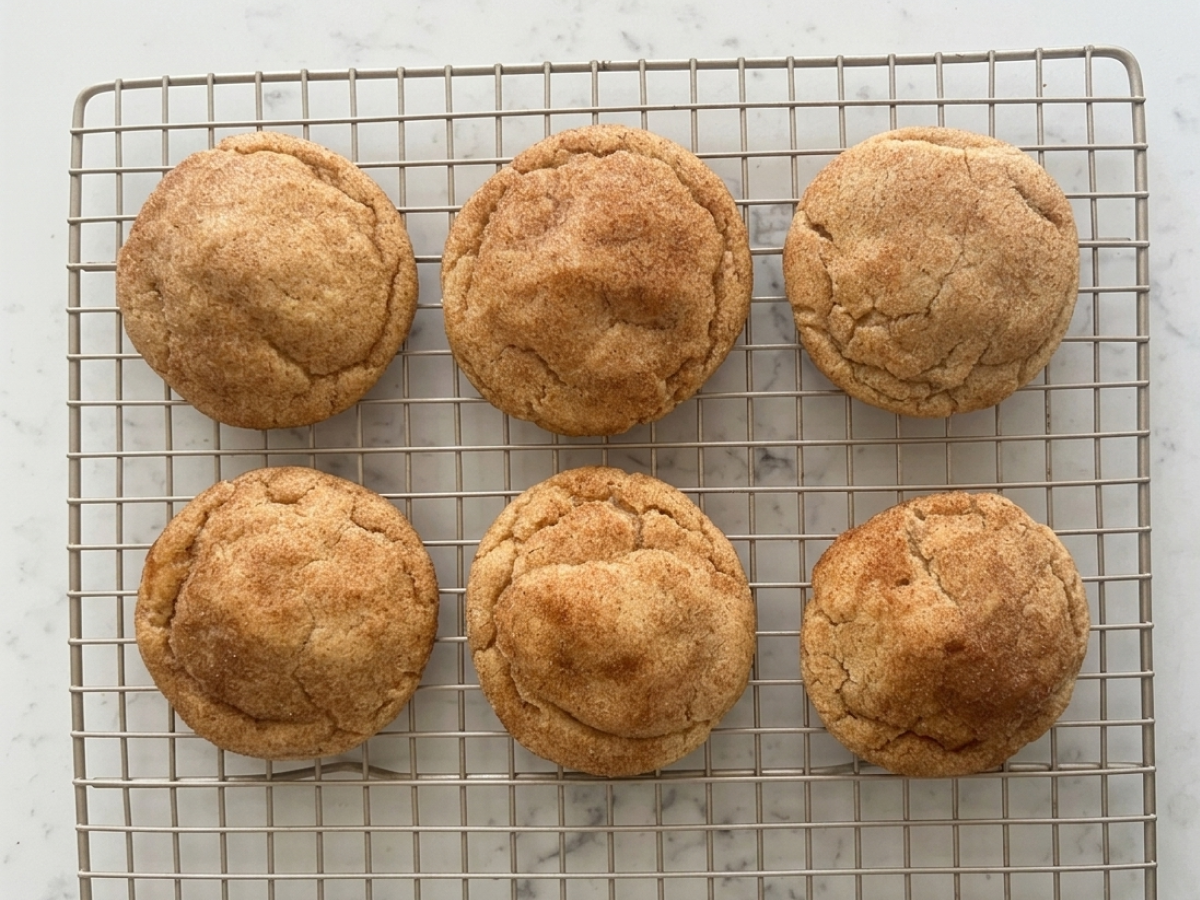
- Step 4: Roll 2 tablespoon size dough balls. Roll dough balls in the cinnamon sugar mixture. Place 6 dough balls on a pan. Bake as directed. Allow to cool for 5 minutes on pan before moving to rack.
Step-by-Step Tips for Perfect Cookies
1. Brown the Butter Properly
Place butter in a saucepan over medium heat. Let it melt, then continue cooking while stirring. It will foam, then turn golden, and small brown bits will form at the bottom.
You’re looking for:
- Deep golden color
- Nutty aroma
- Toasted milk solids
Remove from heat immediately so it doesn’t burn.
Pour into a bowl and let cool until warm, not hot. If it’s too hot, it can scramble the eggs.
2. Mix the Sugars and Brown Butter
Whisk the sugars into the cooled brown butter until smooth and glossy. This step helps dissolve the sugars slightly and improves texture.
Add eggs and vanilla and whisk until slightly thickened.
3. Combine Dry Ingredients Separately
Whisk together flour, cream of tartar, baking soda, salt, and cinnamon in a separate bowl.
This ensures even distribution and prevents overmixing later.
4. Mix Gently
Add the dry ingredients to the wet mixture. Stir just until combined. Do not overmix. Overmixing leads to tough cookies.
The dough will be soft but not runny.
5. Chill
Because brown butter is liquid, chilling the dough for about 30 minutes helps control spreading and improves texture.
Don’t skip this step.
6. Roll in Cinnamon Sugar
Scoop into even balls and roll generously in cinnamon sugar.
This coating is what gives you those beautiful cracks and signature flavor.
7. Bake Just Until Set
Bake until the edges look set but the centers still look slightly soft.
They will continue to cook on the baking sheet after you remove them.
Slightly underbaked is better than overbaked.
Variations
If you want to make these your own, here are a few ways to change them up:
- Add a pinch of nutmeg for extra warmth
- Sprinkle flaky sea salt after baking
- Add white chocolate chips
- Drizzle lightly with vanilla glaze
- Roll half in cinnamon sugar and half in cinnamon sugar with a pinch of espresso powder
Each variation keeps the cozy base intact while adding a little personality.
Serving Suggestions
These cookies are perfect:
- Warm with a glass of cold milk
- As part of a holiday cookie tray
- Packed into lunchboxes
- Gifted in simple parchment bags
- Served slightly warmed for dessert
They also pair beautifully with other brown butter recipes if you’re creating a themed baking spread.
Storage
Store in an airtight container at room temperature for up to 4 days.
To refresh:
Warm in the microwave for 8–10 seconds.
Freeze dough balls for up to 2 months. Bake from frozen, adding 1–2 minutes to bake time.
Baked cookies can also be frozen and reheated gently.
FAQ
Do I have to use cream of tartar?
Yes. It gives snickerdoodles their classic texture and slight tang. Without it, they become more like sugar cookies.
Can I skip browning the butter?
Technically yes, but you’ll lose the depth of flavor that makes this recipe special.
Why did my cookies spread too much?
The dough may not have chilled long enough, or your butter may have been too warm.
Why are my cookies cakey?
Too much flour or overbaking can cause a cakier texture.
Can I make these ahead of time?
Yes. The dough can be refrigerated for up to 48 hours before baking.
Why This Recipe Works
Most snickerdoodle recipes work fine. This one works every time — and the difference comes down to a handful of small choices that stack together.
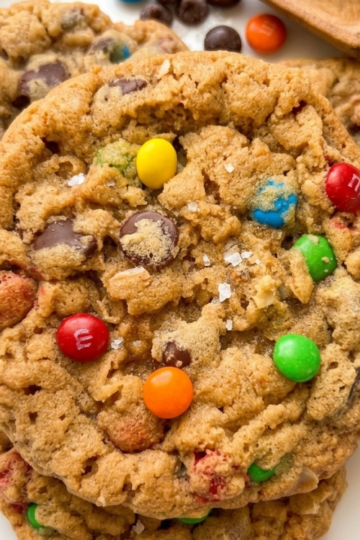
Brown butter does the heavy lifting. Browning the butter before you mix the dough adds a nutty, almost caramelized depth that regular melted butter can't touch. It's the same trick that makes my brown butter chocolate chip cookies and brown butter monster cookies so popular — once you taste what brown butter does to a cookie, you don't really go back.
The sugar ratio keeps them chewy. One cup granulated for slightly crisp edges, half a cup brown sugar for moisture and chew. Swap that ratio and the texture falls apart in either direction.
Cream of tartar isn't optional. It's what makes a snickerdoodle a snickerdoodle — the slight tang and the impossibly soft texture. Skip it and you've just made cinnamon sugar cookies, which is fine, but it's not this.
The short chill controls spread. Brown butter is liquid, which means dough made with it spreads faster than dough made with creamed butter. Forty-five minutes in the fridge is just enough to firm things up without the dough getting rock-hard.
The cinnamon sugar coating does double duty. It's flavor on the outside, but it's also what creates those crackly tops as the cookie spreads and the surface breaks open during baking.
Every one of those choices is doing a specific job. Take any of them out and the cookie still works — but it doesn't work like this.
Final Thoughts
Some recipes feel trendy. Others feel timeless. These sit right in the middle.
You get that old-fashioned cinnamon-sugar comfort everyone recognizes, but the brown butter adds something that makes people pause and ask what you did differently. It's a small upgrade with a big payoff — the kind of recipe that earns a permanent spot in your cookie rotation.
I make these for holiday cookie trays, lunch boxes, late-night snacks, and "I need something easy that everyone will eat" moments. They're forgiving, they freeze beautifully, and they reheat in 8 seconds in the microwave like they just came out of the oven.
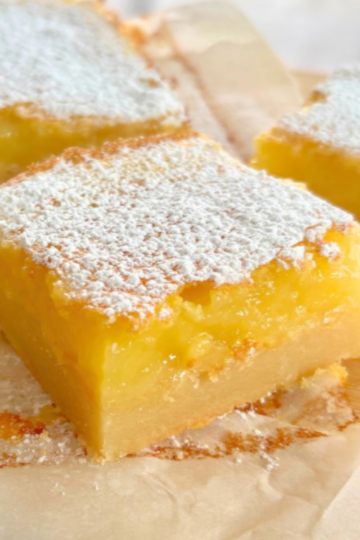
If you're building a cookie spread for the holidays, pair these with brown butter monster cookies for chocolate-chip people, old-fashioned lemon bars for something bright, and you've covered most of the bases. For everything else you're hosting around it, the full party food guide has the rest of the math figured out.
These are the kind of cookie I bake once, and then again the next weekend. And honestly? That's exactly the kind of recipe worth keeping.

Brown butter snickerdoodle
Ingredients
Equipment
Method
- Melt butter in a saucepan over medium heat.
- Cook, stirring constantly, until: Foamy, golden brown, smells nutty, brown bits form at bottom
- Immediately remove from heat.
- Pour into a heat-safe bowl.
- Cool 15–20 minutes until no longer hot. (It should be warm, not hot)
- Add sugars to cooled brown butter.
- Whisk until smooth and glossy.
- Add eggs and vanilla. Whisk until slightly thickened.
- In separate bowl whisk: Flour, cream of tartar, baking soda, salt, cinnamon
- Add to wet mixture. Mix just until combined.
- Chill dough 30–45 minutes. (Brown butter is liquid — chilling prevents spreading)
- Preheat oven to 350°F.
- Mix cinnamon + sugar for coating.
- Scoop dough into 2 tablespoon balls.
- Roll in cinnamon sugar.
- Place on lined baking sheet.
- Bake 9–11 minutes.
- Edges should look set. Centers slightly soft.
- They will continue setting as they cool.
- Let rest in pan 5 minutes. Transfer to cooling rack.
Notes
- Brown butter is done when it smells nutty and you see deep golden specks at the bottom of the pan. Pull it off the heat immediately — it goes from golden to burnt in under a minute. Pour it into a heat-safe bowl to stop the cooking.
- Cool the brown butter until warm to the touch, not hot. If it's still hot when you add the eggs, you'll scramble them. About 15–20 minutes off the stove is usually right.
- Spoon flour into your measuring cup, then level it off. Scooping packs the flour and you'll end up with cakey cookies. This single step is the most common reason snickerdoodles turn out wrong.
- The 45-minute chill isn't optional. Brown butter is liquid, which means the dough spreads faster than a traditional snickerdoodle dough. Skip the chill and you'll get flat, lacy cookies instead of soft chewy ones.
- Roll the dough balls generously in cinnamon sugar. A thin coating disappears into the cookie as it bakes; a generous coating is what gives you the signature crackly top.
- Pull them from the oven when the edges look set and the centers still look soft and slightly underdone. They keep baking on the hot pan for another 4–5 minutes. If they look fully done in the oven, they'll be overbaked by the time they cool.
- For thicker, bakery-style cookies: Chill the dough for up to 24 hours instead of 45 minutes. The longer chill firms up the butter even more and gives you a taller cookie.
- Storage: Airtight container at room temp for up to 4 days. Warm in the microwave for 8–10 seconds to refresh. Dough balls freeze for up to 2 months — bake from frozen, adding 1–2 minutes.
Related
Looking for other recipes like this? Try these:

Pin to Pinterest