Planning a party sounds fun — until you're staring at a grocery list wondering how many appetizers you actually need. Too few and guests leave hungry. Too many and you're scrapping trays of leftovers the next morning.
The honest answer to "how many appetizers per person?" isn't a single number. It depends on the type of event you're hosting, how long it runs, whether dinner follows, and what kind of crowd is showing up.
This guide makes it simple. You'll get a clear serving chart, a quick formula you can use right now, real planning examples, and tips that keep things stress-free — whether you're hosting 10 people or 100. If you're building a full menu beyond just appetizers, the Ultimate Party Food Planning Guide covers every course for any crowd size.
Jump to:
- Quick Answer: How Many Appetizers Per Person?
- How Many Appetizers Per Person? (Easy Party Calculator + Exact Amounts)
- How to Calculate Appetizers for Your Party
- How Party Type Changes the Numbers
- What Counts as "One Appetizer"?
- How Many Appetizer Types Should You Offer?
- Appetizer Planning Chart by Guest Count
- Factors That Change How Much You Need
- Common Hosting Mistakes
- Equipment & Planning Essentials
- Example: Planning for 40 Guests
- FAQ
- Final Thoughts
- Related
- Pin to Pinterest
Quick Answer: How Many Appetizers Per Person?
Here's the rule most experienced hosts use as a starting point:
| Party Type | Appetizers Per Person |
|---|---|
| Appetizers before a full meal | 3–5 pieces |
| Light snacks (short event) | 5–7 pieces |
| Cocktail party (no dinner) | 8–12 pieces |
| Heavy hors d'oeuvres (meal replacement) | 12–15 pieces |
That's your baseline. The rest of this guide shows you how to apply it correctly — because the number that works for a birthday dinner is very different from what you need for a 4-hour cocktail reception.
How Many Appetizers Per Person? (Easy Party Calculator + Exact Amounts)
Use this simple appetizer calculator to quickly figure out exactly how many appetizers you need based on your guest count, party length, and whether appetizers are the main food or just a starter.
APPETIZER PER PERSON CALCULATOR
Get exact piece counts for any crowd — every party type, every appetite, all figured out for you.
20–50 guests → 4–6 types
50+ guests → 6–8 types
| Appetizer Type | Pieces to make | Notes |
|---|
| Guests | Before Dinner (3–5 pp) | Light Snacks (5–7 pp) | Grazing Party (8–12 pp) | Meal Replace. (12–15 pp) |
|---|---|---|---|---|
| 10 | 30–50 | 50–70 | 80–120 | 120–150 |
| 20 | 60–100 | 100–140 | 160–240 | 240–300 |
| 30 | 90–150 | 150–210 | 240–360 | 360–450 |
| 50 | 150–250 | 250–350 | 400–600 | 600–750 |
| 75 | 225–375 | 375–525 | 600–900 | 900–1,125 |
| 100 | 300–500 | 500–700 | 800–1,200 | 1,200–1,500 |
How to Calculate Appetizers for Your Party
The formula is simple:
Number of Guests × Appetizers Per Person = Total Pieces Needed
For example:
- 20 guests × 8 pieces = 160 appetizer pieces
- 50 guests × 12 pieces = 600 appetizer pieces
If you're serving multiple appetizer types, just divide your total across them.
Example: 160 pieces ÷ 4 appetizer types = 40 pieces of each.
Planning other food alongside your appetizers? The how much food for a birthday party guide and the how much meat per person guide use the same formula approach for main dishes.

How Party Type Changes the Numbers
This is where most hosts miscalculate — and it's worth slowing down here.
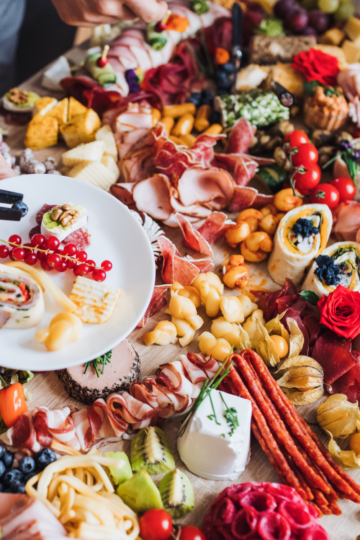
Appetizers Before Dinner When a full meal follows within the hour, guests naturally pace themselves. Plan for 3–5 pieces per person — small bites, passed trays, or a simple grazing board work well here. A charcuterie board is a great choice for this slot — elegant, low-stress, and easy to pre-portion.
Cocktail Party (No Formal Dinner) When appetizers are the main event, portions go up significantly. For a 2–3 hour event, plan 8–12 pieces per person. For longer events (4+ hours), push toward 12–15. Don't forget to factor in how many drinks per person — alcohol and food consumption are directly linked.
Game Day or Casual Gatherings Casual settings almost always mean bigger appetites — especially if food is self-serve and available all evening. Plan for 10–15 pieces per person and don't be surprised when trays empty faster than expected.
What Counts as "One Appetizer"?
This matters more than people realize, because not all appetizers are equal.
A single piece typically looks like:
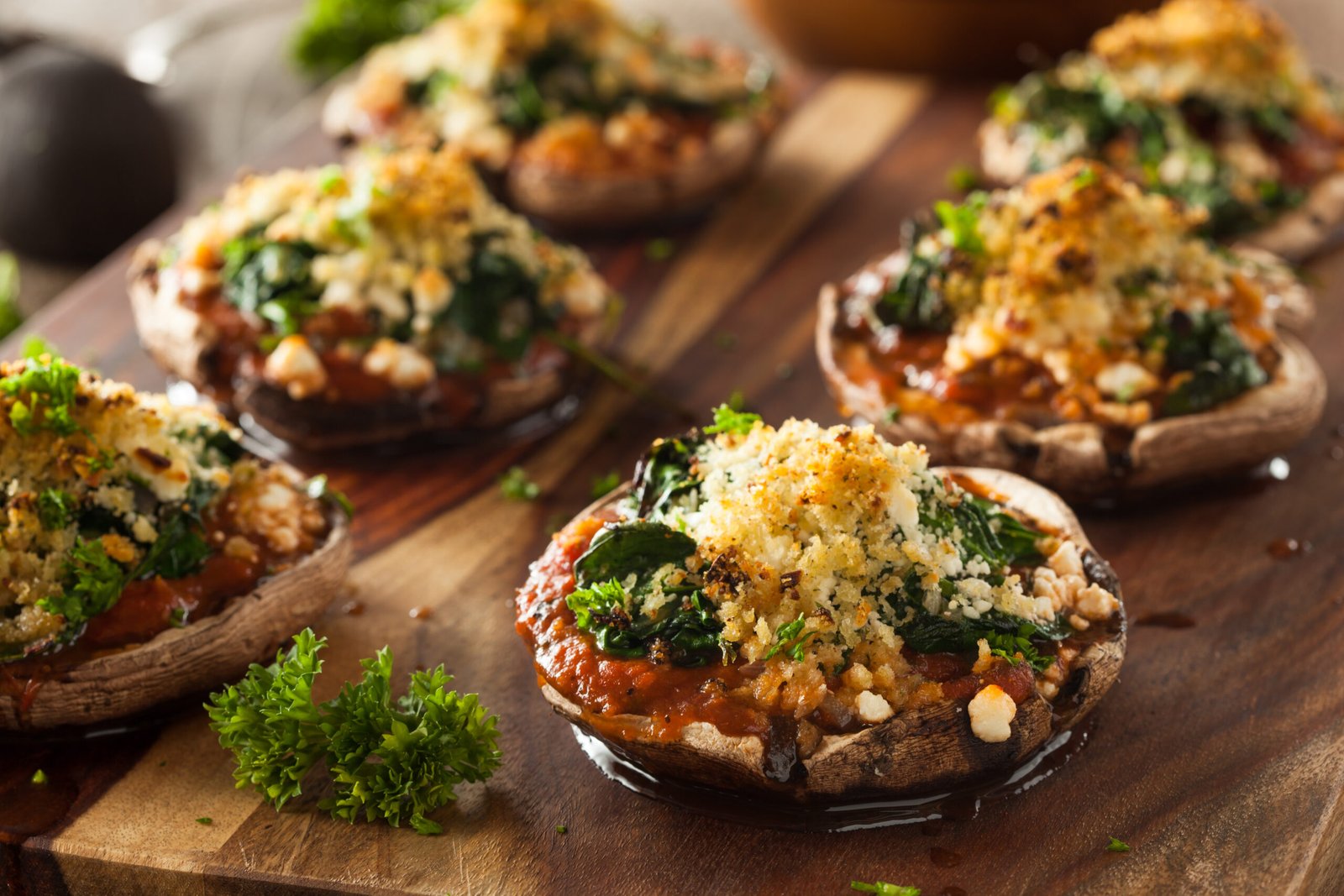
- 1 stuffed mushroom
- 1 slider
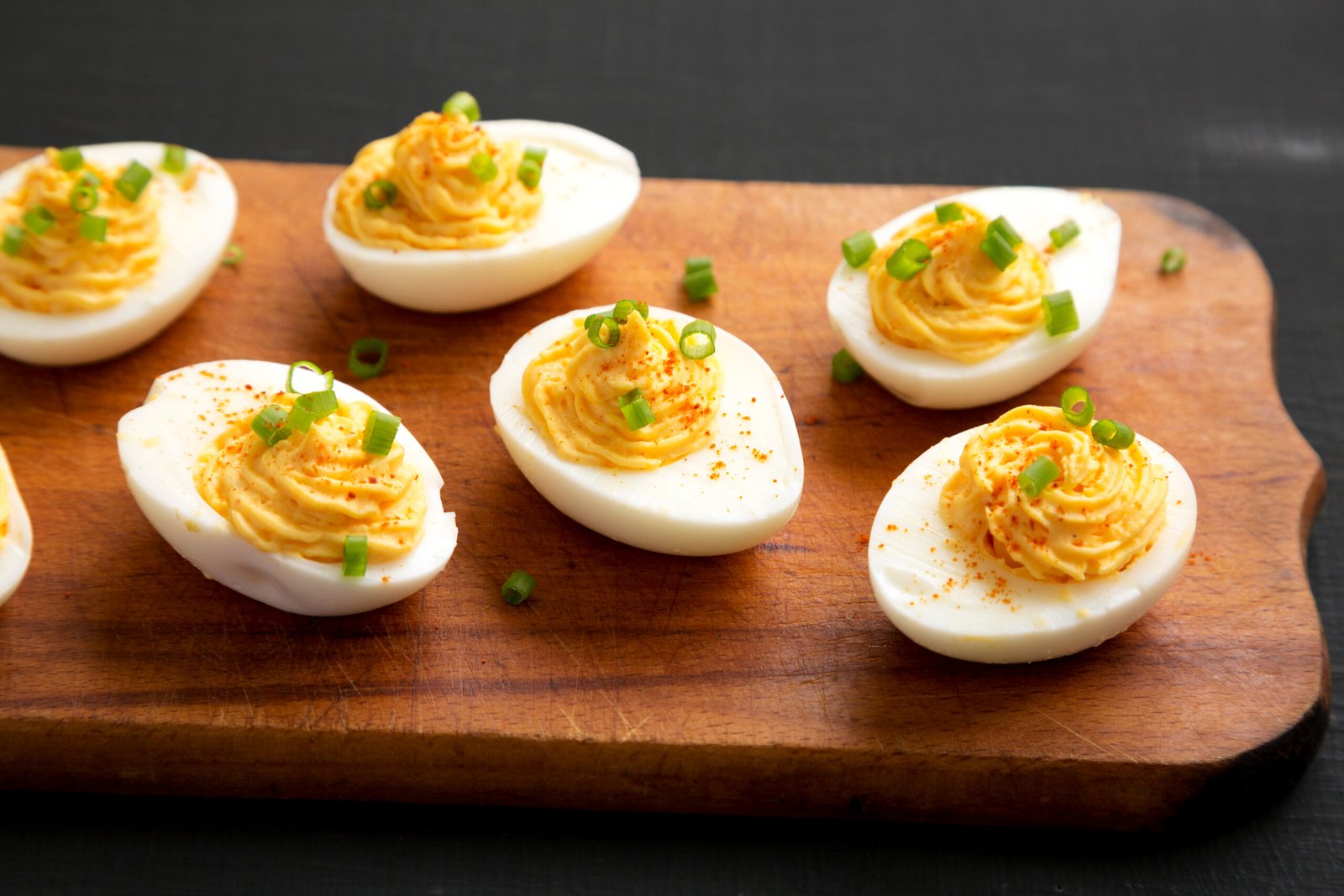
- 1 deviled egg half
- 1 skewer
- 1 small meatball
- 1 mini taco
Larger, more filling items — like oversized sliders or loaded bites — can reasonably count as 2 pieces per person. If your menu skews hearty, reduce your total count by 1–2 pieces per person to compensate.
How Many Appetizer Types Should You Offer?
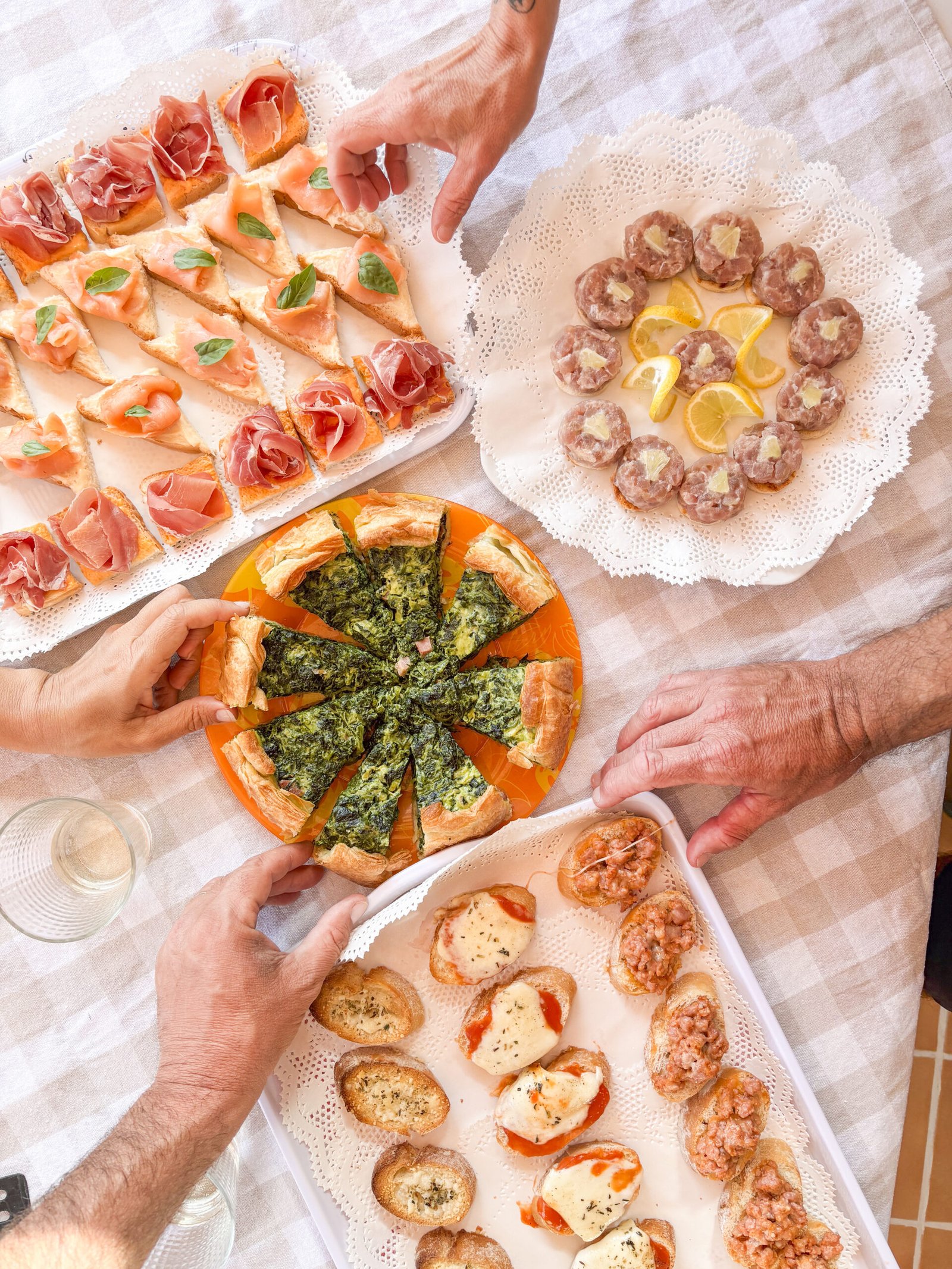
Variety isn't just nice — it controls how fast food disappears. When guests have options, they sample instead of loading up on one tray.
- Under 20 guests: 2–3 types
- 20–50 guests: 4–6 types
- 50+ guests: 6–8 types or more
Aim for a mix of hot and cold, at least one vegetarian option, and something protein-heavy. If you're also planning a fruit platter, a salad, or desserts, you can reduce your appetizer count by 1–2 pieces per person since guests will be grazing across more options.
Appetizer Planning Chart by Guest Count
Use this as a quick reference for cocktail-style events:
| Guests | 8 Pieces Each | 12 Pieces Each |
|---|---|---|
| 10 | 80 pieces | 120 pieces |
| 20 | 160 pieces | 240 pieces |
| 30 | 240 pieces | 360 pieces |
| 50 | 400 pieces | 600 pieces |
| 75 | 600 pieces | 900 pieces |
| 100 | 800 pieces | 1,200 pieces |
When in doubt, round up slightly — a little extra is always better than running short with 45 minutes left in the party.
Factors That Change How Much You Need
Even with the right formula, a few variables can shift things noticeably.
Time of Day Afternoon events tend toward lighter appetites. Evening events — plan for more. People arrive hungry.
Alcohol If drinks are flowing, food intake typically goes up. Add 1–2 extra pieces per person when alcohol is on the menu. Use the drinks per person calculator to plan your beverage quantities at the same time.
Your Crowd Teenagers and young adults usually eat significantly more than older guests. If you're expecting a mixed crowd, the numbers tend to balance out. If it's mostly young adults, lean toward the higher end of your range.
Buffet vs. Passed Trays Self-serve buffets lead to slightly higher consumption than passed trays. When guests have to grab it before it's gone, they tend to grab more.
Common Hosting Mistakes
The most common ones — and how to avoid them:
- Serving only one heavy item. Guests eat more of it than you planned because there's nothing else.
- Underestimating the duration. A 3-hour party eats like a 3-hour party. A 5-hour one does not.
- Forgetting dietary needs. One vegetarian option and one allergen-friendly item saves you from awkward moments.
- Not accounting for alcohol. It's easy to forget — don't. Plan your drink quantities at the same time you plan your food.
- No pizza or main dish backup. For casual parties, knowing how much pizza per person to order gives you a safety net if appetizers go faster than expected.
Equipment & Planning Essentials
Having the right setup matters more than most people expect. It keeps food at the right temperature, makes the table look intentional, and helps you manage portions without chaos. For a complete checklist of everything worth having on hand, the Ultimate Party Planning Equipment List is worth bookmarking before your next event.
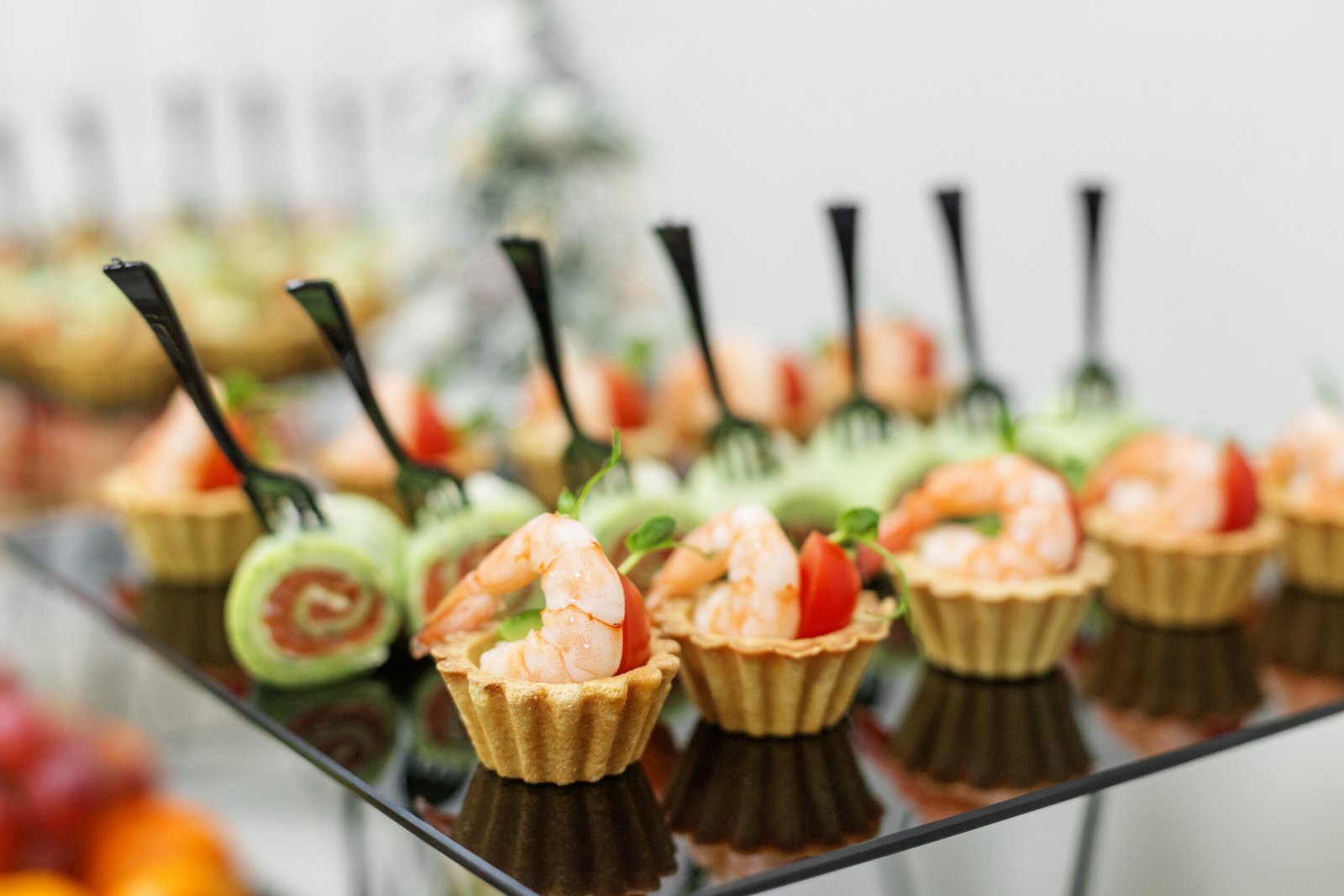
Serving & Display Large platters for cold appetizers, tiered stands to maximize table space, grazing boards for charcuterie-style spreads, and small bowls for dips. Label cards are underrated — they prevent the "what's in this?" question from happening every five minutes.
Temperature Control Chafing dishes or warming trays for hot items, slow cookers for meatballs or sauced bites, and chilled platters or ice trays for seafood and dairy-based appetizers. Food held at the right temperature not only stays safe — it stays appealing, which means it gets eaten at a steadier pace.
Portioning & Prep Tools A sharp knife, a measuring scoop for consistent sizing, sheet pans for batch cooking, and food storage containers for prepping the day before. Pre-portioning before guests arrive is one of the simplest ways to stay in control of your total count.
Hosting Basics Extra tongs and spoons, cocktail napkins, small appetizer plates, and a trash bowl for quick mid-party cleanup.
Example: Planning for 40 Guests
Let's say you're hosting a 3-hour cocktail party for 40 people.
You decide on 10 pieces per person — right in the middle of the cocktail party range.
- 40 guests × 10 pieces = 400 total pieces
- You choose 5 appetizer types
- 400 ÷ 5 = 80 pieces of each
That's your shopping list. Need to plan the rest of the menu too? The graduation party food guide and the birthday party food guide use the same approach for full event menus.
FAQ
Is it better to overestimate or underestimate? Slightly overestimate — but lean on variety rather than piling up more of one thing. A wider selection means everyone finds something they like without over-eating any one dish.
What if I'm also serving dessert? You can comfortably reduce your appetizer count by 1–2 pieces per person when dessert is on the menu. See the wedding dessert table portions guide or the cookies per person guide for how to plan the sweet side.
Should I prep extra just in case? If you're unsure, preparing 5–10% extra gives you a comfortable buffer without major waste.
How far in advance can I prepare appetizers? Most cold appetizers can be made a full day ahead and refrigerated. Hot appetizers are often best assembled in advance and baked just before guests arrive — that way they come out fresh without you being stuck in the kitchen all night.
Final Thoughts
The key to planning appetizers isn't guessing — it's calculating. Start with your guest count, factor in the party style and how long it runs, and multiply by realistic portion numbers.
Most hosts land here:
- 3–5 pieces before a full dinner
- 8–12 pieces for a cocktail party
- 12–15 pieces when appetizers replace a meal
Get those numbers right, offer a little variety, and you'll serve exactly what your guests need — without waste, stress, or a 10pm grocery run. For everything beyond appetizers, visit the full Party Food Guide for serving charts covering every dish from soup to dessert.
Related
Looking for other recipes like this? Try these:
Pin to Pinterest