Running out of milk mid-recipe happens more often than you’d think. Or maybe you’re baking for someone dairy-free, trying to lighten a recipe, or simply working with what you have on hand.
The good news is that milk is one of the easiest ingredients to substitute in baking—as long as you understand what role it plays.
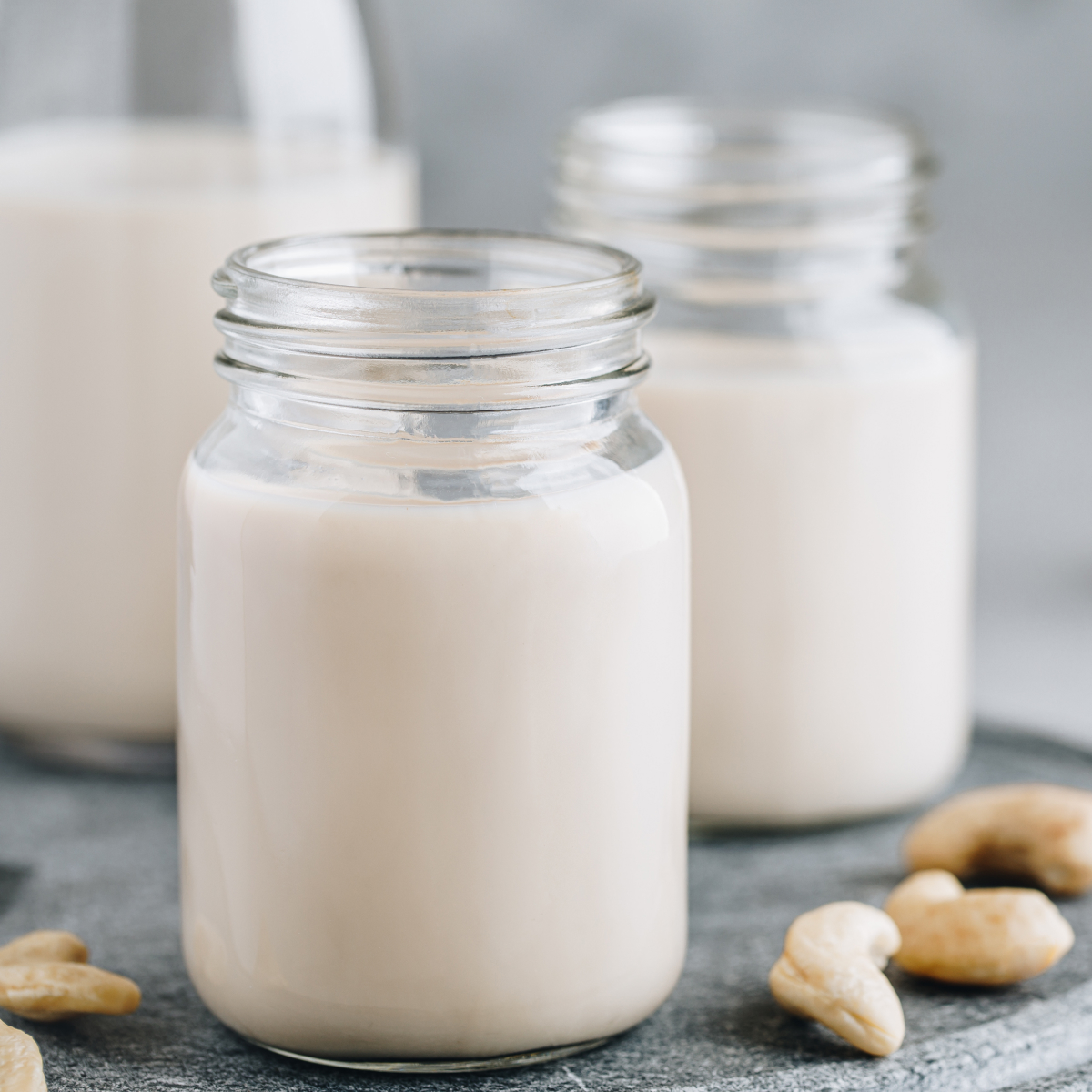
Milk adds moisture, helps dissolve ingredients, and contributes to texture. But depending on the recipe, you can swap it with several reliable options without sacrificing results.
In this guide, I’ll break down the best milk substitutes for baking, when to use each one, and how to get consistent results every time.
If you’re building out your baking toolkit, my baking ingredient substitutions guide walks through even more dependable swaps you can use with confidence.
Jump to:
Quick Answer
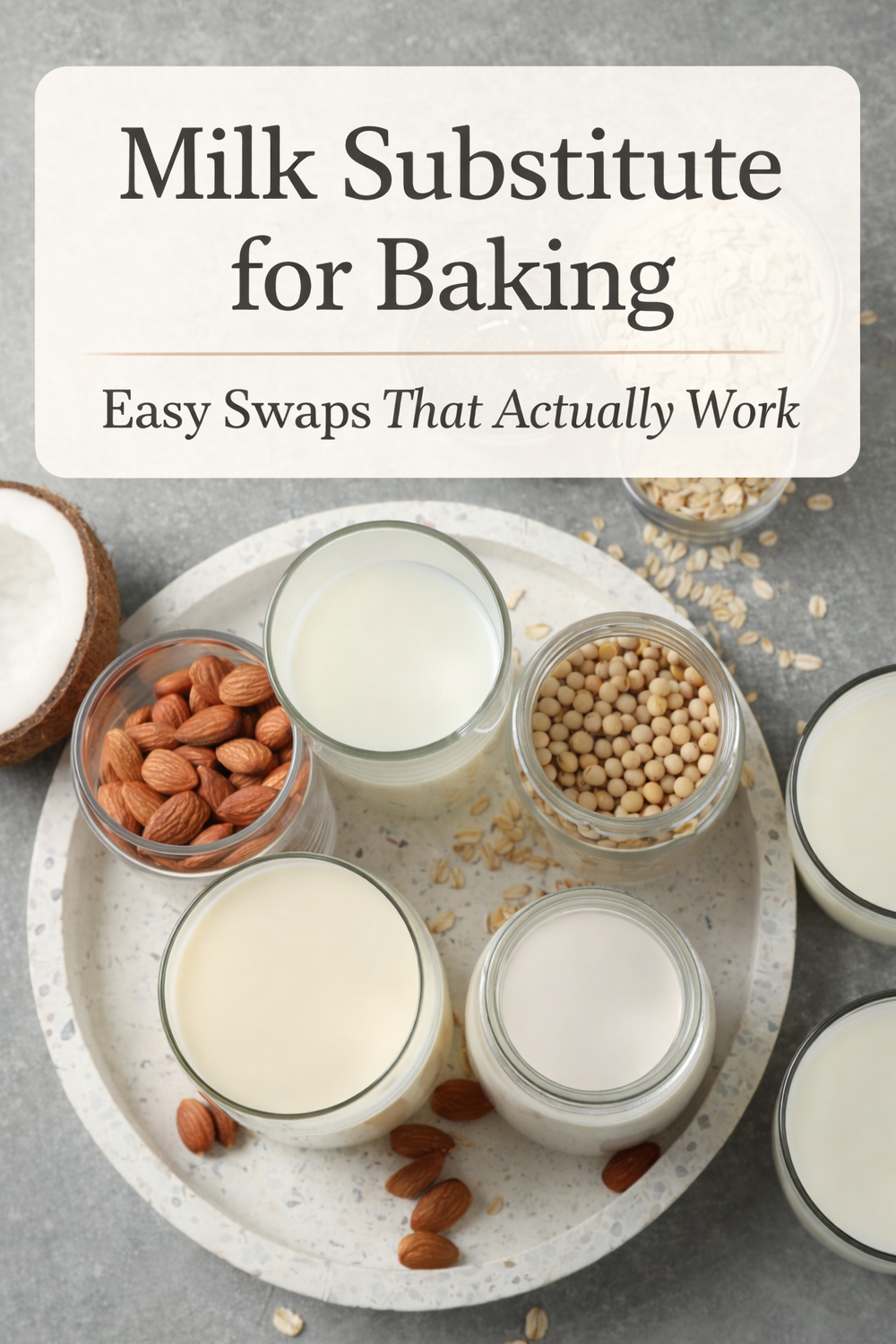
You can substitute milk in baking using a 1:1 ratio with:
- Almond milk
- Oat milk
- Soy milk
- Coconut milk (carton)
- Water (in a pinch)
For richer results, use:
- Half-and-half (diluted slightly)
- Evaporated milk (mixed with water)
Why It Matters
Milk isn’t just liquid—it affects how your baked goods turn out.
Milk:
- Adds moisture
- Helps create structure
- Enhances browning
- Contributes mild flavor
When you replace milk, you’re mainly replacing moisture—but some substitutes also affect richness and texture.
Understanding that difference helps you choose the best swap for your recipe.
Best Milk Substitutes for Baking
1. Almond Milk
A very popular dairy-free option.
Best for:
- Cakes
- Muffins
- Quick breads
Why it works:
- Light flavor
- Similar consistency to milk
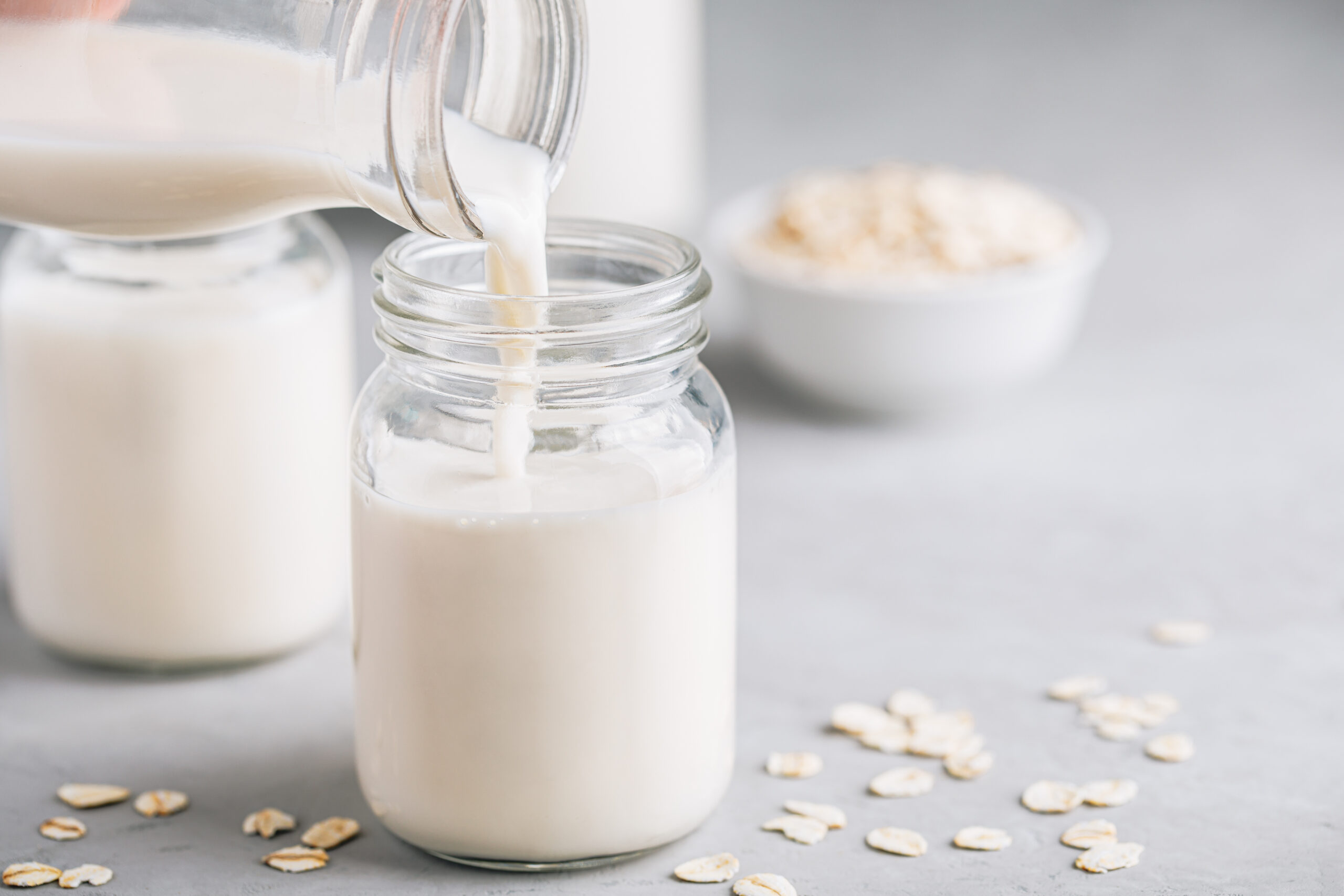
2. Oat Milk
One of the closest matches to regular milk.
Best for:
- Cakes
- Cookies
- Pancakes
Why it works:
- Slightly creamy texture
- Neutral flavor
3. Soy Milk
A strong, reliable substitute.
Best for:
- Structured baked goods
- Cakes and cupcakes
Why it works:
- Higher protein content (closer to dairy milk)
4. Coconut Milk (Carton)
Not the canned version—use the thinner, drinkable kind.
Best for:
- Muffins
- Sweet breads
Why it works:
- Adds richness
- Slight sweetness
5. Water (Emergency Option)
If you’re completely out of milk, water can work.
Best for:
- Simple recipes
- Pancakes or basic cakes
Tip:
- Add a small amount of butter or oil to improve richness
6. Half-and-Half or Cream
Richer than milk, so it needs adjustment.
How to use:
- Dilute with water (about ¾ cream + ¼ water)
Best for:
- Cakes
- Custards
- Rich baked goods
If you want a full breakdown of reliable swaps across all ingredients, I’ve put together a complete baking substitutions resource that helps you adjust recipes with confidence.
When Milk Substitutes Work Best
Milk swaps work well in recipes where liquid is mainly for moisture.
Use substitutes confidently in:
- Cakes
- Muffins
- Pancakes
- Quick breads
These recipes are forgiving and adapt well to different liquids.

When to Be Careful
Some recipes rely more heavily on milk’s specific properties.
Be cautious with:
- Custards
- Puddings
- Yeast breads
In these cases, the type of substitute matters more.
If you also need a swap for richer recipes, my heavy cream substitute guide breaks down the best options to keep the same texture and consistency in baking.
Simple Conversion Guide
Use this formula:
- 1 cup milk → 1 cup substitute
For richer substitutes:
- Slightly dilute to match milk consistency
Practical Example
If a muffin recipe calls for 1 cup milk:
- Use 1 cup oat milk → nearly identical result
- Use 1 cup almond milk → slightly lighter texture
- Use water → still works, but less rich
This flexibility is what makes milk one of the easiest ingredients to replace.
Common Mistakes
Using strongly flavored substitutes can change the taste of your baked goods.
Choosing canned coconut milk instead of carton coconut milk can make recipes too heavy.
Not adjusting richness when using cream-based substitutes can lead to dense textures.
Troubleshooting
Too dry:
Use a creamier substitute like oat or soy milk.
Too dense:
Dilute richer substitutes slightly.
Lacking flavor:
Add vanilla extract or a pinch of salt to enhance taste.
FAQ
What is the best milk substitute for baking?
Oat milk is one of the best all-purpose substitutes because of its neutral flavor and creamy texture.
Can I use water instead of milk in baking?
Yes, but results may be less rich. Adding a little fat helps improve texture.
Can I use plant-based milk in any recipe?
Most recipes work well, especially cakes and muffins.
Does milk type affect baking results?
Yes. Higher-fat substitutes produce richer results, while lighter ones create a softer crumb.
Final Thoughts
Milk substitutes are one of the simplest ways to adapt a recipe without compromising results.
Whether you’re using almond milk, oat milk, or even water in a pinch, the key is choosing a substitute that matches the texture and richness your recipe needs.
Once you understand how each option works, you’ll be able to swap confidently and keep baking without interruption.
For more reliable, everyday swaps, explore my complete baking substitutions guide to make sure you always have a backup plan in the kitchen.
Related
Looking for other recipes like this? Try these:

Pin to Pinterest