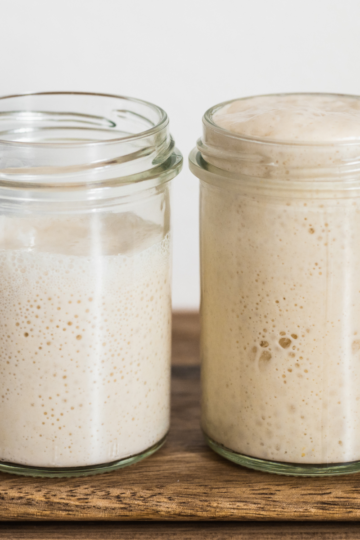
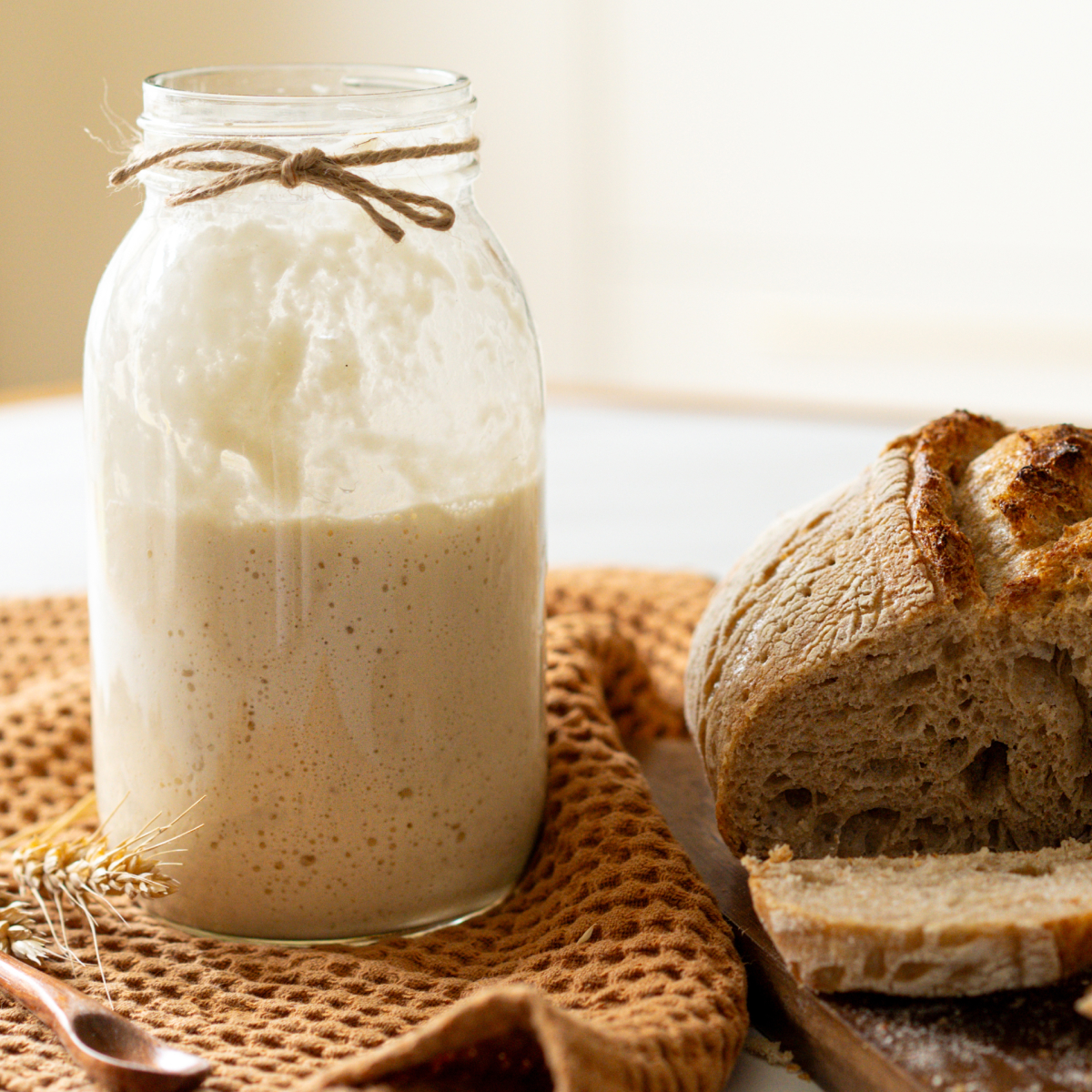
If you’ve ever stood over your kitchen counter, sourdough starter bubbling happily in its jar, and thought “I hate throwing this away” — you’re not alone.
Sourdough discard is one of those things that feels too precious to waste… but also easy to forget about. One day you’re feeding your starter with the best intentions, and the next you’re discovering a forgotten jar in the back of the fridge, wondering if it’s still usable — or if you should start over.
The good news?
Sourdough discard is incredibly forgiving.
When stored correctly, it can last days, weeks, or even months — and still bake up beautifully. Whether you’re a casual baker or maintaining a busy discard stash for pancakes, cookies, brownies, and more, understanding how to store sourdough discard properly makes all the difference.
In this guide, we’ll break down fridge vs freezer storage, how long discard lasts, signs it’s gone bad, and exactly what to do before baking with it again.
Jump to:
- Why Proper Sourdough Discard Storage Matters
- What Exactly Is Sourdough Discard?
- Storing Sourdough Discard in the Fridge
- Storing Sourdough Discard in the Freezer
- Fridge vs Freezer: Which Is Better?
- Can You Combine Old and New Discard?
- How Storage Affects Baking Results
- FAQs About Storing Sourdough Discard
- Why This Method Works
- Final Thoughts
- Pin to Pinterest
- Related
Why Proper Sourdough Discard Storage Matters
Sourdough discard may not be “active,” but it’s still alive. It contains wild yeast, bacteria, and organic acids that continue to evolve over time.
How you store it affects:
- Flavor (mild vs tangy)
- Texture in baked goods
- Food safety
- Convenience when baking
Improper storage can lead to:
- Overly sour discard
- Mold growth
- Off smells
- Inconsistent baking results
Proper storage, on the other hand, gives you ready-to-use discard whenever inspiration strikes — no stress, no waste.
What Exactly Is Sourdough Discard?
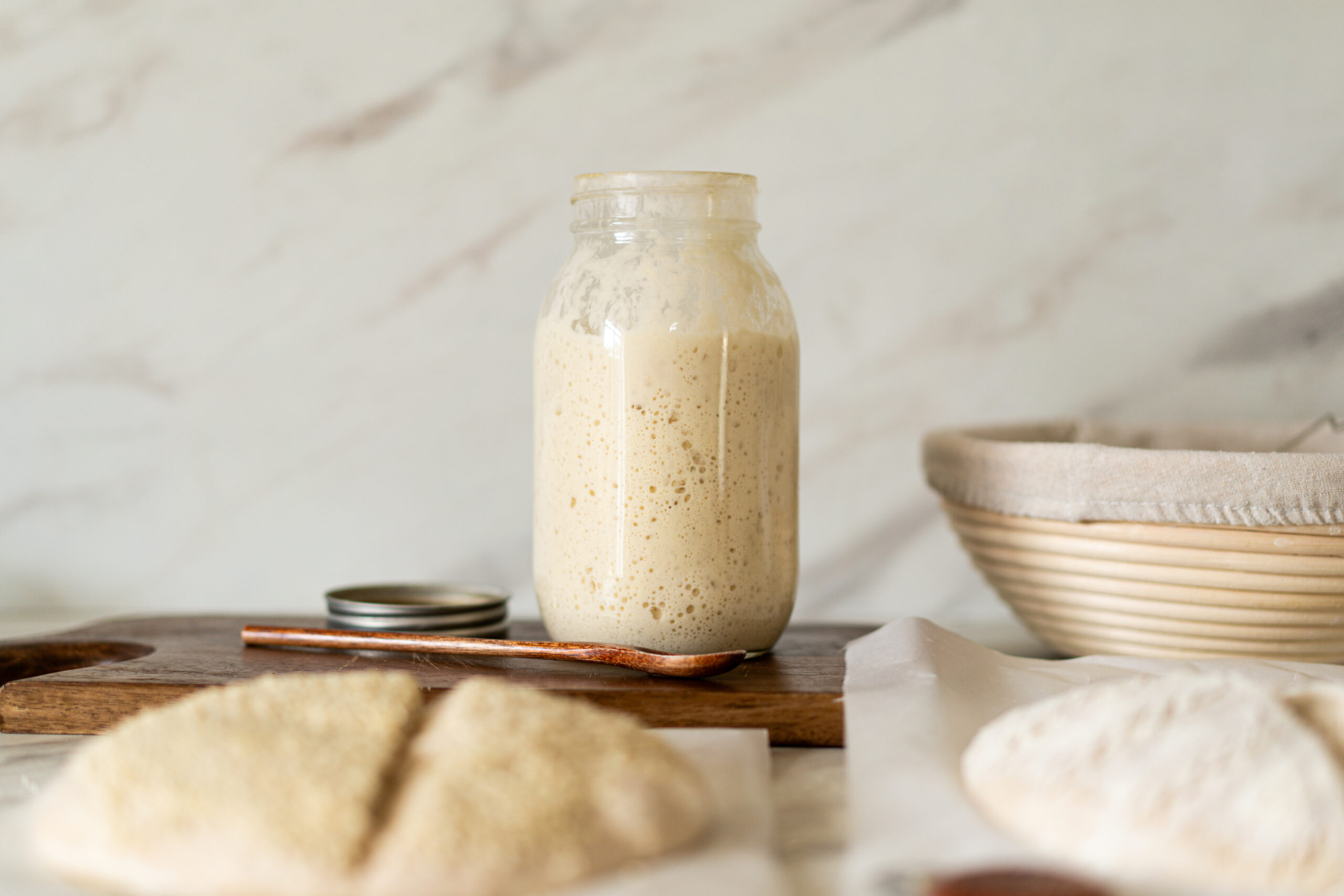
Sourdough discard is the portion of starter removed before feeding. It’s typically:
- Unfed or underfed
- Less active than mature starter
- Slightly acidic
Discard is perfect for:
- Pancakes and waffles
- Cookies and brownies
- Crackers
- Quick breads
- Muffins
- Flatbreads and tortillas
Because it isn’t at peak fermentation, discard doesn’t rely on yeast activity for rise — making it ideal for recipes using baking powder or baking soda.
Storing Sourdough Discard in the Fridge
Best for:
Frequent bakers who use discard weekly
Refrigeration is the most common and convenient way to store sourdough discard. Cold temperatures slow fermentation dramatically, keeping your discard stable and usable.
How to Store Discard in the Fridge
- Use a clean, airtight container
Glass jars with lids work best. Avoid metal containers. - Label the jar with the date
This helps track freshness and flavor development. - Add discard after each feeding
You can keep adding to the same jar as long as it smells normal and shows no mold. - Seal loosely if very fresh
For the first day, slightly loosen the lid to prevent pressure buildup, then tighten.
How Long Does Sourdough Discard Last in the Fridge?
- Best quality: 3–7 days
- Still usable: Up to 2 weeks (sometimes longer)
As discard ages, it becomes more acidic. This isn’t bad — but it does affect flavor.
Signs Fridge-Stored Discard Is Still Good
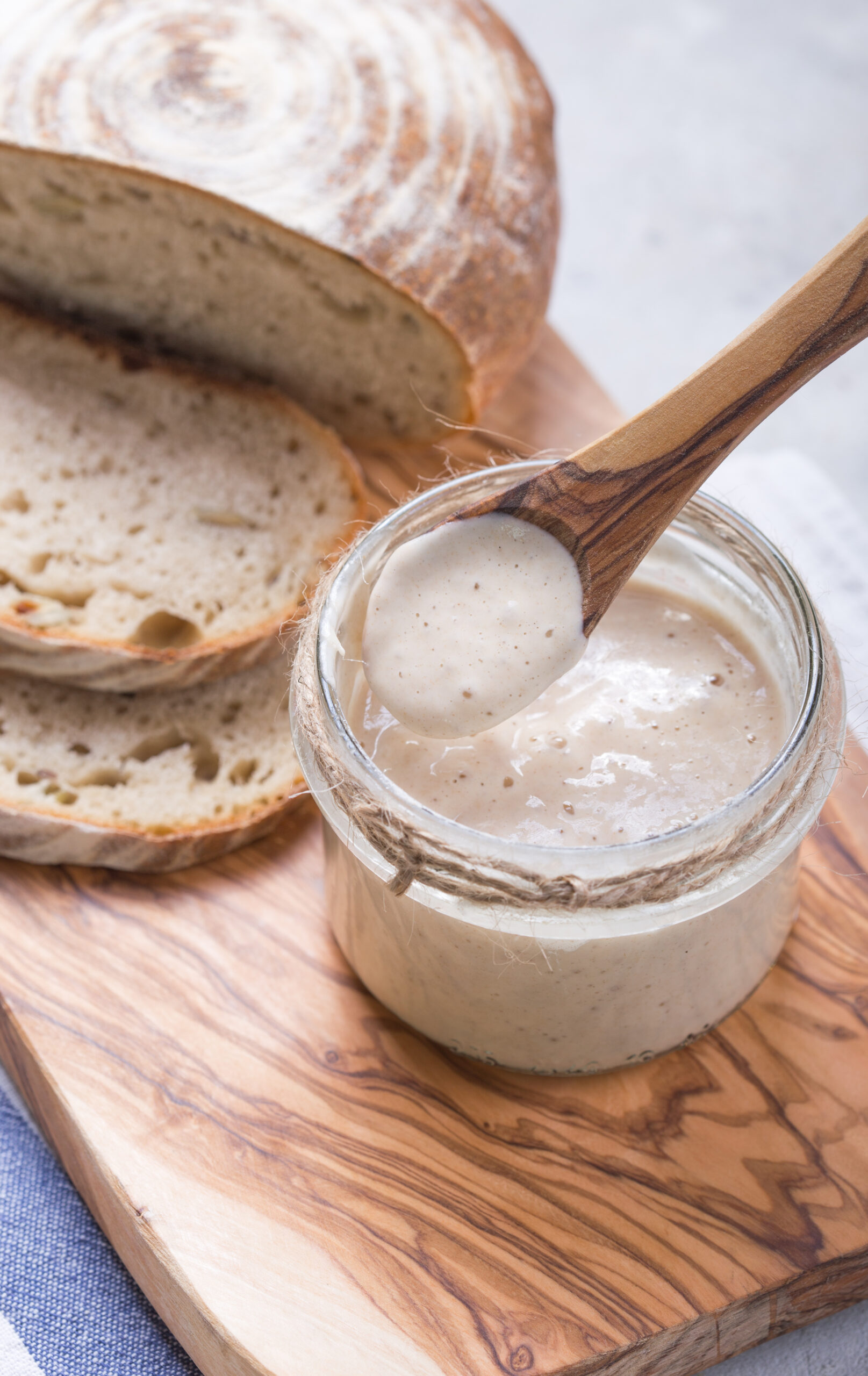
✔ Sour, tangy smell (like yogurt or vinegar)
✔ No visible mold
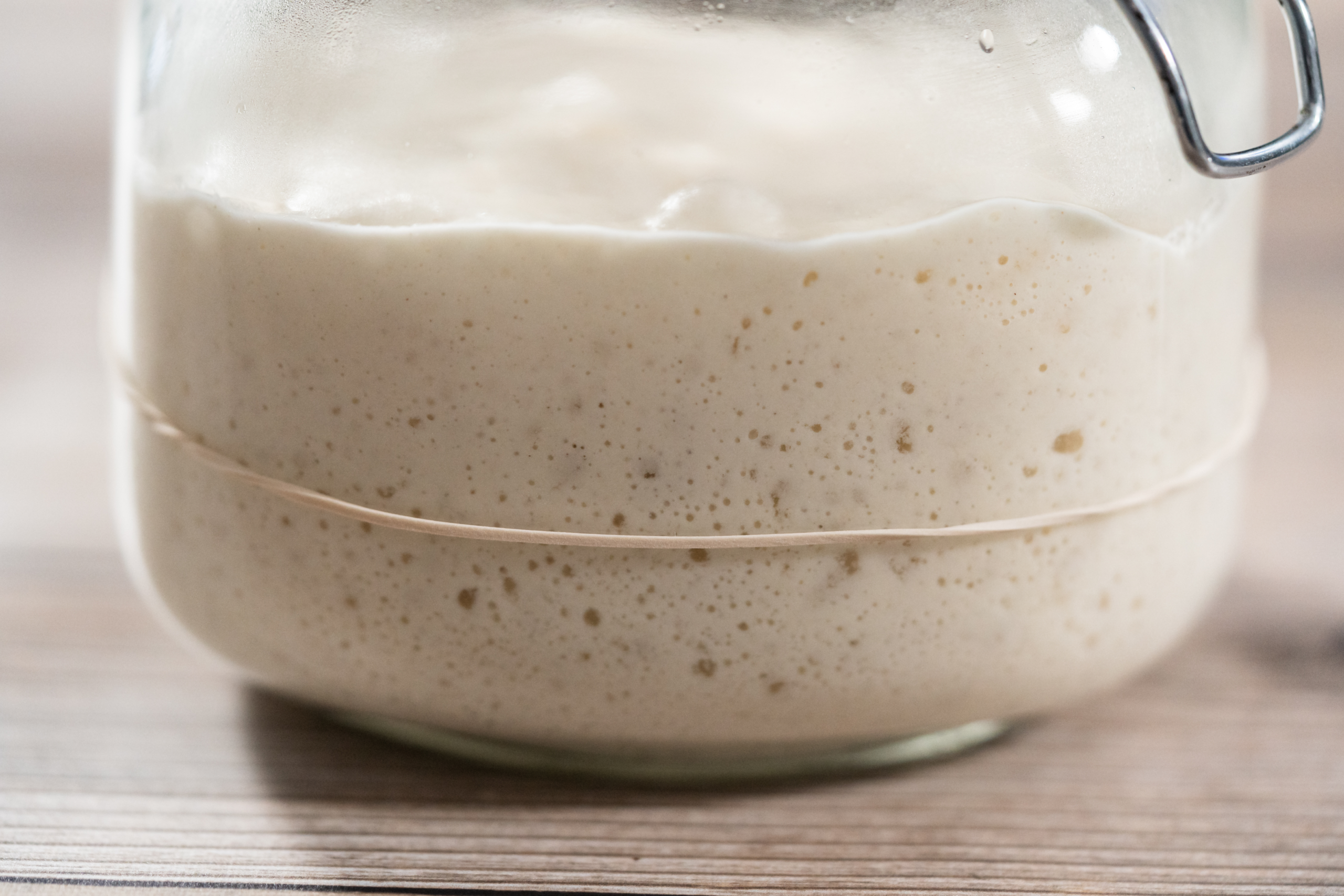
✔ May have liquid (“hooch”) on top — this is normal
Signs It’s Time to Toss It
✘ Fuzzy mold (pink, green, black, or white spots)
✘ Strong rotten or putrid smell
✘ Slimy texture
When in doubt, throw it out. Your starter can always make more.
Pros of Fridge Storage
- Ready to use immediately
- Best flavor for baking
- Minimal prep
- Ideal for weekly discard recipes
Cons of Fridge Storage
- Limited shelf life
- Flavor continues to intensify
- Requires regular use
Storing Sourdough Discard in the Freezer
Best for:
Occasional bakers or long-term storage
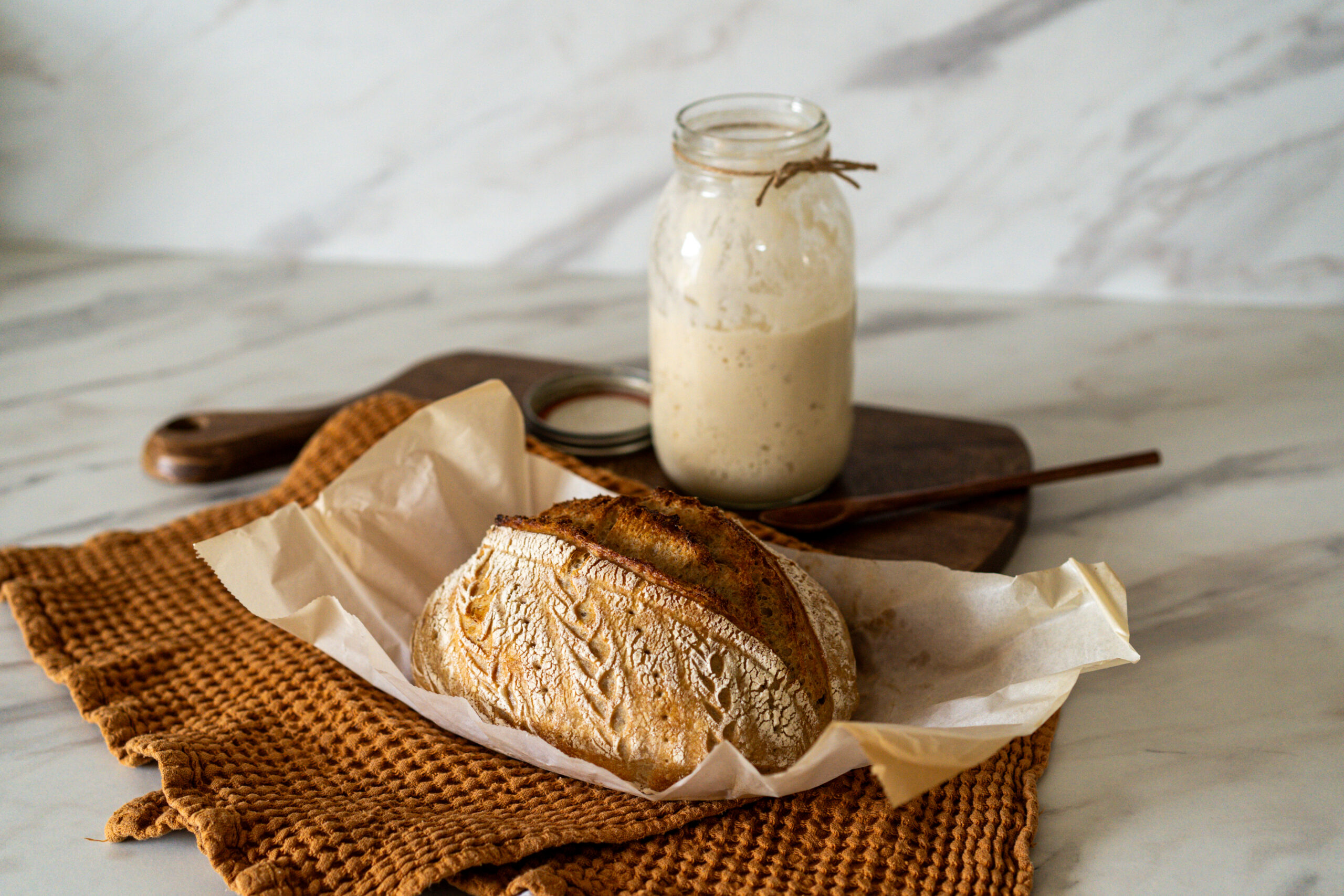
Freezing sourdough discard pauses fermentation almost entirely, making it the best option if you don’t bake with discard often.
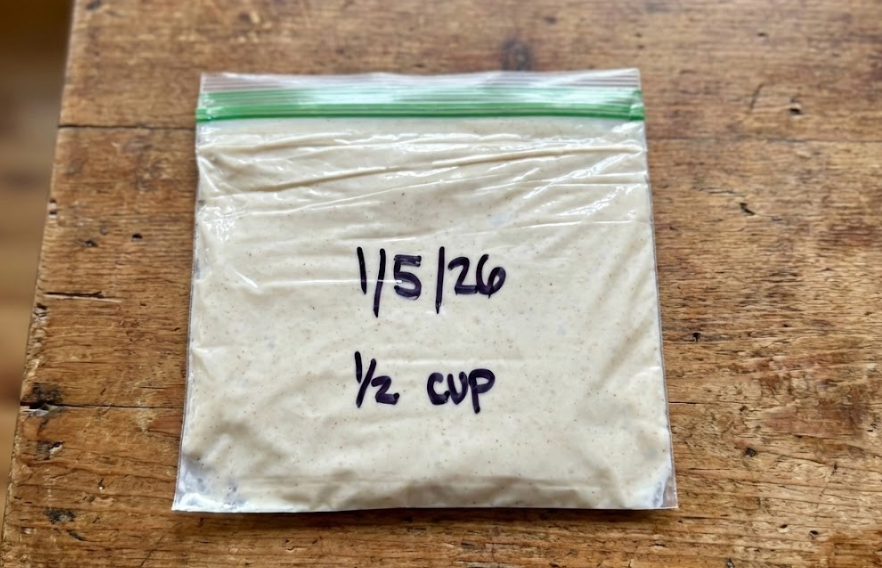
How to Freeze Sourdough Discard
- Portion before freezing
Freeze in recipe-sized amounts (½ cup, 1 cup, etc.). - Use freezer-safe containers
- Silicone freezer molds
- Zip-top freezer bags (laid flat)
- Airtight containers with room for expansion
- Label clearly
Include date and amount. - Freeze immediately
Fresh discard freezes best.
How Long Does Sourdough Discard Last in the Freezer?
- Best quality: Up to 3 months
- Still usable: 6 months or longer
While technically safe beyond that, flavor and texture can degrade.
How to Thaw Frozen Sourdough Discard
- Transfer to the fridge overnight
- OR thaw at room temperature for 1–2 hours
- Stir well before using
Expect slight separation — this is normal.
Pros of Freezer Storage
- Long-term preservation
- No flavor over-acidification
- Great for batch baking
- Prevents waste entirely
Cons of Freezer Storage
- Requires thawing time
- Slight texture change
- Not ideal for recipes needing mild discard flavor
Fridge vs Freezer: Which Is Better?
The answer depends on how you bake.
Choose the Fridge If:
- You bake with discard weekly
- You want mild, balanced flavor
- You like spontaneous baking
- You maintain a small discard stash
Choose the Freezer If:
- You bake occasionally
- You want zero waste
- You like planning ahead
- You batch prep discard recipes
Many bakers use both — fridge for short-term use, freezer for overflow.
Can You Combine Old and New Discard?
Yes — with caution.
It’s perfectly fine to add fresh discard to older discard as long as:
- No mold is present
- Smell is clean and sour
- Jar is clean
Always stir before adding new discard.
How Storage Affects Baking Results
Storage impacts:
- Flavor: Older discard = tangier baked goods
- Rise: Discard does not provide yeast lift
- Texture: Longer storage can add tenderness
Tips:
- Use older discard in chocolate or spiced recipes
- Use fresher discard in pancakes, muffins, and quick breads
- Adjust sugar slightly if discard is very sour
FAQs About Storing Sourdough Discard
Can I store discard at room temperature?
Not recommended. Room temperature discard ferments rapidly and spoils quickly.
Is hooch a bad sign?
No. Hooch is a sign of hunger, not spoilage. Stir it in or pour it off.
Can frozen discard be used in any recipe?
Yes — especially baked goods. Thaw completely and stir well.
Does freezing kill the yeast?
Freezing puts yeast to sleep but does not kill it. However, discard recipes do not rely on yeast activity.
Why This Method Works
Sourdough discard storage works because cold temperatures:
- Slow fermentation
- Preserve acidity balance
- Prevent harmful bacteria growth
By choosing the right storage method, you control flavor, safety, and convenience — all while reducing food waste.
Final Thoughts
Learning how to store sourdough discard properly is one of those small kitchen habits that makes a big difference.
Whether you keep a jar tucked into the fridge for weekend pancakes or freeze portions for future baking projects, proper storage gives you flexibility, confidence, and better results — every time.
No more guilt. No more waste. Just good food made from something that deserves a second life. And once you’ve mastered storage, the possibilities for sourdough discard recipes are endless.
Obsessed with Sourdough?! Try out some of my favorite recipes:
Sourdough Discard Cinnamon Roll Focaccia Bread
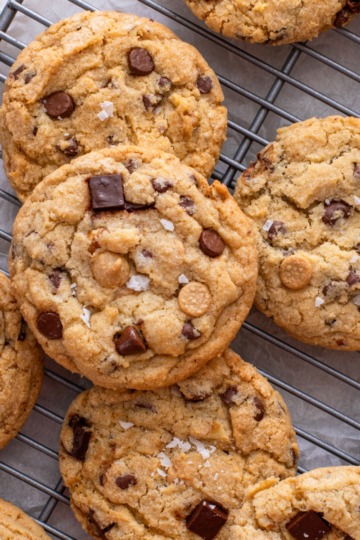
Sourdough Discard Chocolate Chip Cookies
Crispy Sourdough Discard Waffles
Old Fashioned Sourdough Discard Cinnamon Rolls
Pin to Pinterest
Related
Looking for other recipes like this? Try these: