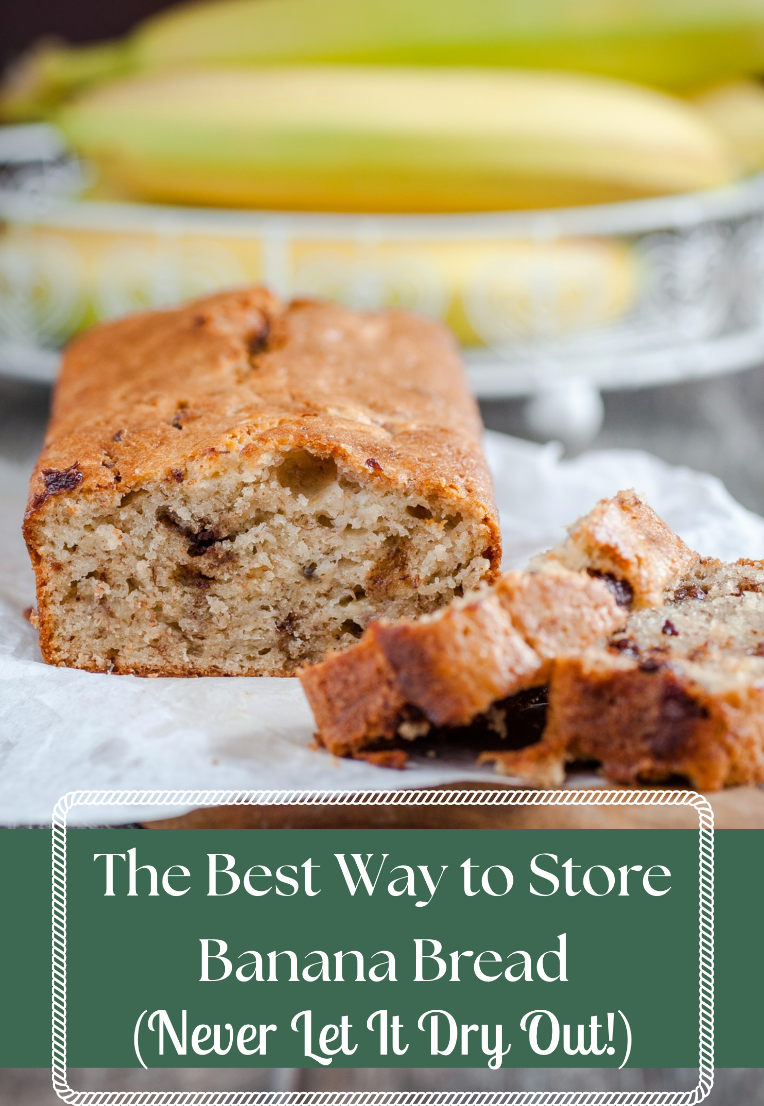
Banana bread is one of those bakes that feels effortless and comforting. It fills the kitchen with warmth, slices beautifully, and somehow tastes even better the next day.
But storing it properly makes all the difference.
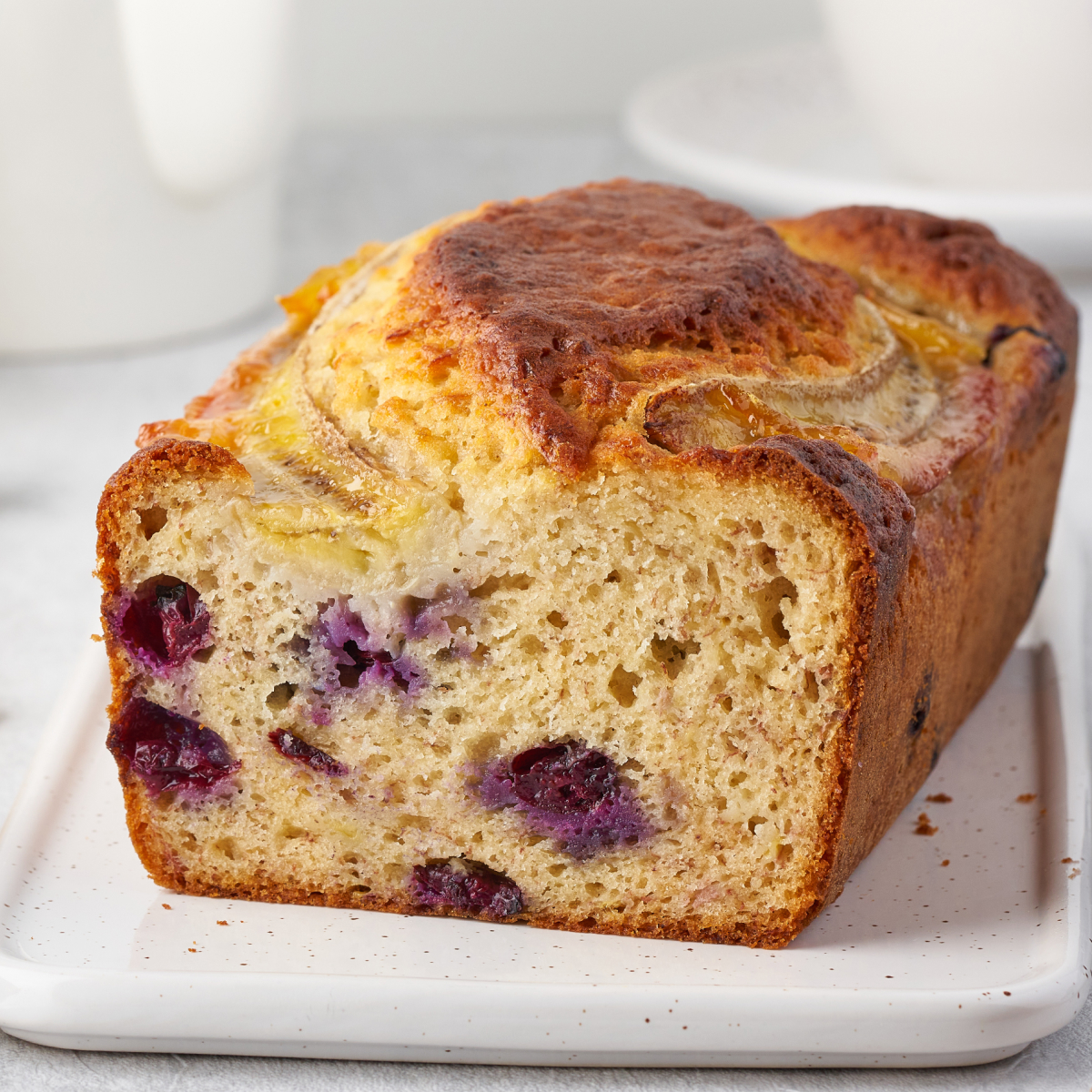
Too much air, and it dries out.
Too much moisture, and it turns sticky.
The refrigerator? Often a mistake.
If you want your banana bread to stay soft, tender, and flavorful for days, here’s exactly how to store it — whether you’re keeping it on the counter, refrigerating it, or freezing it for later.
Jump to:
Why Banana Bread Storage Matters
Banana bread is high in moisture because of the mashed bananas, sugar, and fat in the batter. That’s what gives it its signature texture.
However, moisture is also what makes it vulnerable to:
- Drying out
- Becoming gummy
- Developing mold
The goal is to protect the loaf without trapping excess condensation.
How to Store Banana Bread at Room Temperature
For most situations, room temperature storage is best.
Best for:
- 1 to 3 days
- Whole or partially sliced loaves
How to Store It Properly
- Allow the banana bread to cool completely.
- Wrap it tightly in plastic wrap or foil.
- Place it in an airtight container.
Store it on the counter, away from direct sunlight.
Cooling completely before wrapping is essential. Wrapping warm bread traps steam, which creates sogginess and speeds spoilage.
When stored correctly, banana bread stays moist and tender for up to 3 days at room temperature.
Looking for an easy banana bread recipe? Try out my Easy Snickerdoodle Banana Bread.
Should You Refrigerate Banana Bread?
In most cases, no.
Refrigeration accelerates starch retrogradation — which is simply a scientific way of saying it dries baked goods out faster.
However, refrigeration may be helpful if:
- Your kitchen is very warm
- The loaf contains cream cheese filling
- You need to store it longer than 3 days
If you refrigerate it:
- Wrap tightly first
- Bring to room temperature before serving
- Warm slices slightly for best texture
Expect the crumb to firm up slightly in the refrigerator.
How to Freeze Banana Bread (Best Long-Term Option)
Freezing is the best method if you want to preserve freshness beyond a few days.
Banana bread freezes exceptionally well.
How to Freeze a Whole Loaf
- Cool completely.
- Wrap tightly in plastic wrap.
- Wrap again in foil or place in a freezer bag.
- Label with the date.
Freeze for up to 3 months.
How to Freeze Individual Slices
Freezing slices makes quick breakfasts easy.
- Cool completely.
- Wrap slices individually.
- Place in a freezer-safe bag.
- Remove as much air as possible.
This method allows you to thaw one piece at a time.
Looking for a unique banana bread recipe? Try out my Salted Carmel Banana Bread.
How to Thaw Banana Bread
For best results:
- Thaw at room temperature, still wrapped.
- Allow moisture to redistribute slowly.
- Warm gently before serving if desired.
Microwaving from frozen is possible, but wrap in a damp paper towel to prevent drying.
How to Keep Banana Bread Extra Moist
Small details matter.
- Do not overbake.
- Let it cool fully before wrapping.
- Store it tightly sealed.
- Keep it away from heat sources.
If your banana bread dries slightly, a brief warm-up in the microwave restores softness.
Looking for an extra moist banana bread recipe? Try out my Toasted Coconut and Brown Butter Banana Bread.
Signs Banana Bread Has Gone Bad
Even properly stored banana bread doesn’t last forever.
Watch for:
- Visible mold
- Sour or fermented smell
- Excessive moisture buildup
- Slimy texture
When in doubt, discard.
Common Storage Mistakes
Avoid these:
- Wrapping warm bread
- Leaving it uncovered overnight
- Refrigerating unnecessarily
- Storing in humid conditions without airtight protection
Each of these shortens shelf life.
Why Proper Storage Works
Banana bread is a balance of moisture and structure. Protecting it from excess air prevents drying. Preventing trapped condensation prevents spoilage.
Room temperature storage works best for short-term freshness. Freezing is ideal for long-term storage.
Understanding that balance helps preserve both texture and flavor.
Final Thoughts
Banana bread is at its best when it stays soft, tender, and deeply flavorful long after it comes out of the oven. Proper storage protects the texture you worked to create and preserves the natural sweetness of the bananas.
For short-term enjoyment, room temperature storage keeps the crumb moist and balanced. For longer storage, freezing allows you to extend freshness without sacrificing quality. In both cases, the key is simple: let it cool completely, wrap it well, and protect it from excess air or moisture.
When stored thoughtfully, banana bread remains just as comforting on day three as it was on day one — ready to be sliced, warmed slightly, and enjoyed with ease.
Related
Looking for other recipes like this? Try these:



Pin to Pinterest