There are few things more comforting than the smell of chicken soup simmering on the stove. It’s the kind of recipe that instantly quiets the noise of the day — warm, savory, and grounding in the best possible way. Growing up, chicken soup wasn’t just a meal; it was an event. The kitchen filled with the soft bubbling of a pot that never seemed to stop giving. Every hour it simmered, the flavors deepened, and the whole house felt wrapped in that cozy, golden aroma.

This recipe takes that same old-fashioned comfort and adds a quiet twist — sourdough discard. It’s an ingredient that would have surprised my grandmother, but I think she would’ve appreciated the thrift of it. The discard adds a delicate body to the broth, thickening it just enough to feel rustic without turning it heavy. And that faint tang from the sourdough? It rounds out the chicken’s richness in a way that feels like it’s been there all along.
This is the kind of soup you make when you want your kitchen to smell like home — when you want to remind yourself that simplicity, when done right, can be extraordinary.
This is the kind of cozy, nourishing meal that pairs perfectly with comforting sides like my Brown Butter Honey Biscuits or a slice of Easy Honey Cornbread for soaking up every last bit of that rich broth.
If you’re planning a larger meal, don’t miss my how much food for a crowd guide to help you scale recipes perfectly.
Jump to:
Why You’ll Love This Recipe
This soup is comfort food in its purest form. It’s made from simple, wholesome ingredients, but tastes like something that’s been simmering on the stove all day with care. The broth is rich and savory, the chicken is tender, and the vegetables make it feel hearty and nourishing without being heavy.
You’ll also love how cleverly this recipe uses sourdough discard. It gently thickens the soup and adds a subtle depth of flavor—never sour, just warm and cozy—making it a practical, no-waste win for sourdough bakers. Plus, it’s naturally gluten-free, easy to customize, and perfect for meal prep, sick days, or anytime you want a bowl of something truly comforting.
Ingredient Breakdown
Whole Chicken
The foundation of the soup. Cooking it whole creates a deeply flavorful, rich broth while giving you tender, shred-ready meat.
Water / Broth Base
Forms the base of the soup and extracts all the flavor from the chicken, vegetables, and aromatics as it simmers.
Onion (quartered)
Adds depth and subtle sweetness.
Carrots
Bring natural sweetness and classic soup flavor, while adding color and texture.
Celery
Adds a savory, aromatic backbone that balances the sweetness of the carrots.
Garlic
Enhances the overall flavor with warmth and depth without overpowering the broth.
Salt
Essential for building flavor at every stage—start early and adjust at the end.
Whole Black Peppercorns
Infuse the broth with gentle heat and complexity without making it overly spicy.
Bay Leaves
Add subtle herbal depth and that classic “homemade soup” flavor.
Potatoes
Make the soup hearty and comforting while adding a soft, creamy texture.
Additional Carrots (for soup stage)
Added later to maintain their structure and prevent them from becoming too soft.
Sourdough Discard
The unique element—adds slight body and a subtle tang that deepens the flavor without making the soup sour.
Instructions

- Step 1: Combine all spices and chicken into a large pot and bring to a gentle boil.

- Step 2: After simmering for 2 hours strain out vegetables (remove bay leaves) and blend up with a small amount of broth. Then return to broth.
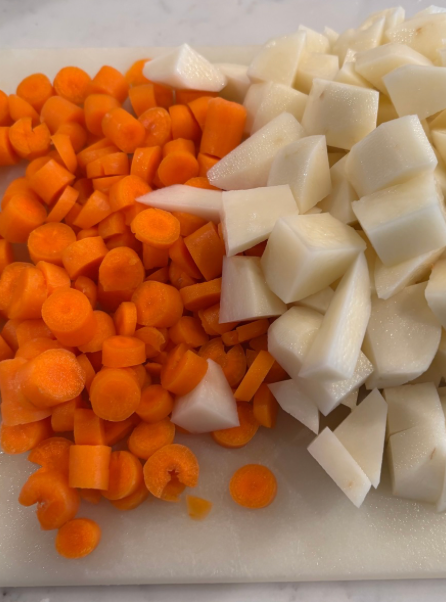
- Step 3: Chop vegetables and put them into the pot, simmering for 15 minutes.
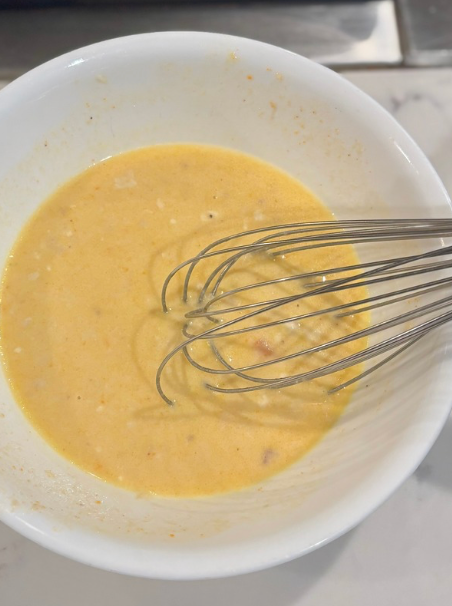
- Step 4: Pull out a cup of broth and mix with sourdough discard until smooth, then return to pot and let simmer for 10 minutes.
Step-by-Step Instructions
1. Simmer the Broth
Place your whole chicken in a large stockpot and add 12 cups of water. Toss in the onion (leave the peel on for color), carrots, celery, garlic, salt, peppercorns, bay leaves, and thyme. Bring to a gentle boil, then reduce to a low simmer.
Let it bubble quietly for 1½ to 2 hours, skimming off foam occasionally. The slower the simmer, the clearer and more flavorful your broth will be.
2. Strain and Shred
Once the chicken is tender and falling off the bone, carefully remove it from the pot and set it aside to cool. Strain the broth through a fine-mesh sieve into another pot, blending all vegetables (except bay leaves) along with a cup of broth. Then returning it to broth base. This creates an EXTRA flavorful broth base.
When the chicken is cool enough to handle, shred the meat into bite-sized pieces. Discard the skin and bones (or save them for a second round of broth).
3. Build the Soup
Return your broth to the pot and bring it back to a gentle simmer. Add the diced potatoes and chopped carrots, letting them cook for about 15–20 minutes until tender.
4. Incorporate the Sourdough Discard
In a small bowl, whisk your sourdough discard with a ladleful of hot broth until smooth. Slowly stir it back into the pot. You’ll see the broth take on a soft, creamy body — the kind that feels like it’s been cooking all day.
The discard blends seamlessly, adding subtle flavor without making the soup taste “bready.”
5. Combine and Adjust
Add your shredded chicken back into the pot and simmer for another 5 minutes. Taste and adjust the salt, adding more as needed. If you want a touch of brightness, add a small splash of apple cider vinegar right at the end.
6. Serve and Enjoy
Ladle the soup into bowls and serve with a sprinkle of fresh parsley or thyme. It’s lovely on its own, but even better with a slice of warm sourdough for dipping.
Variations
1. Root Vegetable Medley:
Swap the potatoes for parsnips or turnips for a slightly earthier flavor.
2. Lemon-Herb Twist:
Add the zest of one lemon and a handful of chopped dill right before serving for a springlike freshness.
3. Creamy Comfort:
For a richer soup, stir in ½ cup of cream or coconut milk at the end. It pairs beautifully with the tang of the sourdough discard.
4. Grain Boost:
Add a handful of cooked rice, quinoa, or barley to make it extra filling.
5. Brothy Reset:
If you prefer a lighter broth, skip the potatoes and double the carrots — perfect for sipping when you’re under the weather.

Serving Suggestions
- Serve with a thick slice of buttered sourdough or a hunk of crusty gluten-free bread.
- Sprinkle with chopped fresh herbs (parsley, thyme, or dill) for brightness.
- A simple side salad — greens, lemon vinaigrette, and a touch of salt — adds a crisp counterpoint.
- For meal prep, pack individual portions in jars; they reheat beautifully and make easy lunches.
- Serve with warm, buttery sides like Brown Butter Honey Biscuits or Easy Honey Cornbread for the ultimate comfort meal.Pair with a creamy side like The Ultimate Mac and Cheese for a cozy, hearty dinner spread.
Not sure how much to serve? My soup portions per person guide makes it easy to plan for any group.
Storage & Freezing Tips
- Refrigerate: Store leftovers in an airtight container for up to 5 days.
- Freeze: The soup freezes beautifully. Let it cool, then store in quart-size freezer bags or containers for up to 3 months.
- Reheat: Warm slowly on the stovetop over low heat. If the soup thickens slightly in the fridge, add a splash of broth or water to loosen it.
For more tips on storing leftovers and keeping meals fresh, check out my food storage guide.
FAQs
Does this soup taste sour because of the sourdough discard?
No. Once cooked, the sourdough discard mellows completely and adds depth rather than sourness. It lightly thickens the broth and enhances the savory flavor without overpowering it.
Can I use active sourdough starter instead of discard?
Yes. Active starter will work, but it may add a slightly more pronounced tang. Discard is preferred for a more subtle, balanced flavor.
Is this soup really gluten-free?
Yes—as long as your sourdough starter is gluten-free and all ingredients used are certified gluten-free.
Can I make this without blending the vegetables?
Absolutely. Blending adds richness and body, but you can skip it if you prefer a clear, traditional broth. The soup will still be flavorful, just lighter in texture.
Why This Recipe Works
Building flavor from the ground up
Starting with a whole chicken creates a deeply rich, homemade broth that you simply can’t get from shortcuts. As it simmers, the bones, meat, and aromatics release layers of flavor that form the backbone of this soup.
Low and slow simmering for clarity and depth
Keeping the heat gentle allows the broth to stay clear while developing a clean, balanced flavor. This technique prevents bitterness and gives you that classic, golden homemade soup.
Layered vegetables for better texture
Some vegetables are cooked into the broth for flavor, while others are added later to maintain their shape and texture. This creates a soup that’s both rich and hearty—not mushy or flat.
Blended vegetables for natural body
Blending a portion of the cooked vegetables back into the broth thickens it naturally without cream or flour, giving the soup a silky, slightly rich texture while keeping it wholesome.
Final Thoughts
This easy gluten-free sourdough discard chicken soup is the kind of recipe you come back to again and again. It’s comforting without being heavy, nourishing without being complicated, and deeply satisfying in the way only homemade soup can be. The sourdough discard quietly works its magic in the background—adding body and depth while making good use of something that might otherwise go to waste.
Whether you’re cooking on a slow afternoon or throwing it together to feed your family on a busy weeknight, this soup meets you where you are. It’s flexible, forgiving, and endlessly cozy, with a rich broth that tastes like it’s been simmering all day. Serve it with a simple side or enjoy it straight from the bowl—either way, it’s a recipe that feels like home.

Gluten Free Chicken Soup with Sourdough Discard
Ingredients
Equipment
Method
- Place the whole chicken in a large stockpot and add 12 cups of water, or enough to cover the chicken by about an inch.
- Add the onion (quartered, peel on), chopped carrots, celery, garlic, salt, peppercorns, and bay leaves.
- Bring the pot to a gentle boil over medium-high heat, then immediately reduce to low.
- Simmer uncovered for 1½ to 2 hours, occasionally skimming off any foam or fat that rises to the top.
- Tip: Keep the simmer low and steady — rapid boiling can make the broth cloudy.
- Once the chicken is tender and cooked through, carefully lift it out of the pot and place it on a large plate to cool slightly.
- Pour the broth through a fine-mesh strainer into another large pot or bowl, remove bay leaves. Taking the cooked vegetables and spices along with a cup of broth and placing into the blender. Blend well and return the mixture into the pot.
- When the chicken is cool enough to handle, remove the meat from the bones and shred it into bite-sized pieces. Discard the skin and bones (or save them for another batch of broth).
- Return the broth to the pot and bring it back to a gentle simmer.
- Add 3 medium potatoes (peeled and cubed) and 2 cups of chopped carrots.
- Simmer for 15–20 minutes, or until the vegetables are tender.
- In a small bowl, whisk the ½ cup of sourdough discard with a ladleful of hot broth until smooth.
- Slowly pour the mixture back into the soup while stirring — this will slightly thicken the broth and add a subtle tangy depth of flavor.
- Note: The sourdough discard shouldn’t taste sour once cooked; it mellows beautifully into the broth.
- Return the shredded chicken to the pot and stir to combine.
- Taste the soup and adjust seasoning with more salt and pepper as needed.
- Simmer for another 5 minutes to let the flavors meld.
Notes
- Low simmer = better broth
Keep the heat gentle while cooking the chicken to avoid a cloudy broth and develop deeper flavor. - Don’t skip blending the vegetables
Blending part of the cooked vegetables with broth adds natural body and richness without needing cream or flour. - Sourdough discard tip
Always whisk the discard with warm broth before adding to prevent clumping and ensure a smooth texture. - Flavor balance
The sourdough discard adds a subtle tang—not a strong sour flavor. It mellows beautifully as it cooks. - Make it heartier
Add extra potatoes or even cooked rice or noodles for a more filling meal.
Related
Looking for other recipes like this? Try these:



Pin to Pinterest