How to Cook With Seaweed (Without It Tasting “Too Ocean”)
Seaweed has quietly moved from sushi restaurants into everyday kitchens — and for good reason.
It’s savory.
It’s nutrient-dense.
It adds depth in seconds.
And when used correctly, it doesn’t taste “fishy” at all.

If you’ve ever wondered how to cook with seaweed, which types to buy, or how to use it beyond sushi rolls, this guide breaks it down in a practical, cook-friendly way.
Jump to:
Why Cook With Seaweed?
Seaweed is rich in:
- Natural glutamates (hello, umami)
- Minerals like iodine and magnesium
- Fiber
- Antioxidants
But from a cooking perspective, the biggest reason to use seaweed is this:
It makes food taste deeper.
Just like anchovies melt into pasta sauce or parmesan adds complexity to soup, seaweed builds background flavor.
I’ve linked all my favorite baking tools on my Shop My Kitchen page if you’d like to see what I use regularly.
The Main Types of Seaweed (And How to Use Them)
1. Nori
Best known for sushi rolls.
Flavor: Mild, slightly toasty
Use it for:
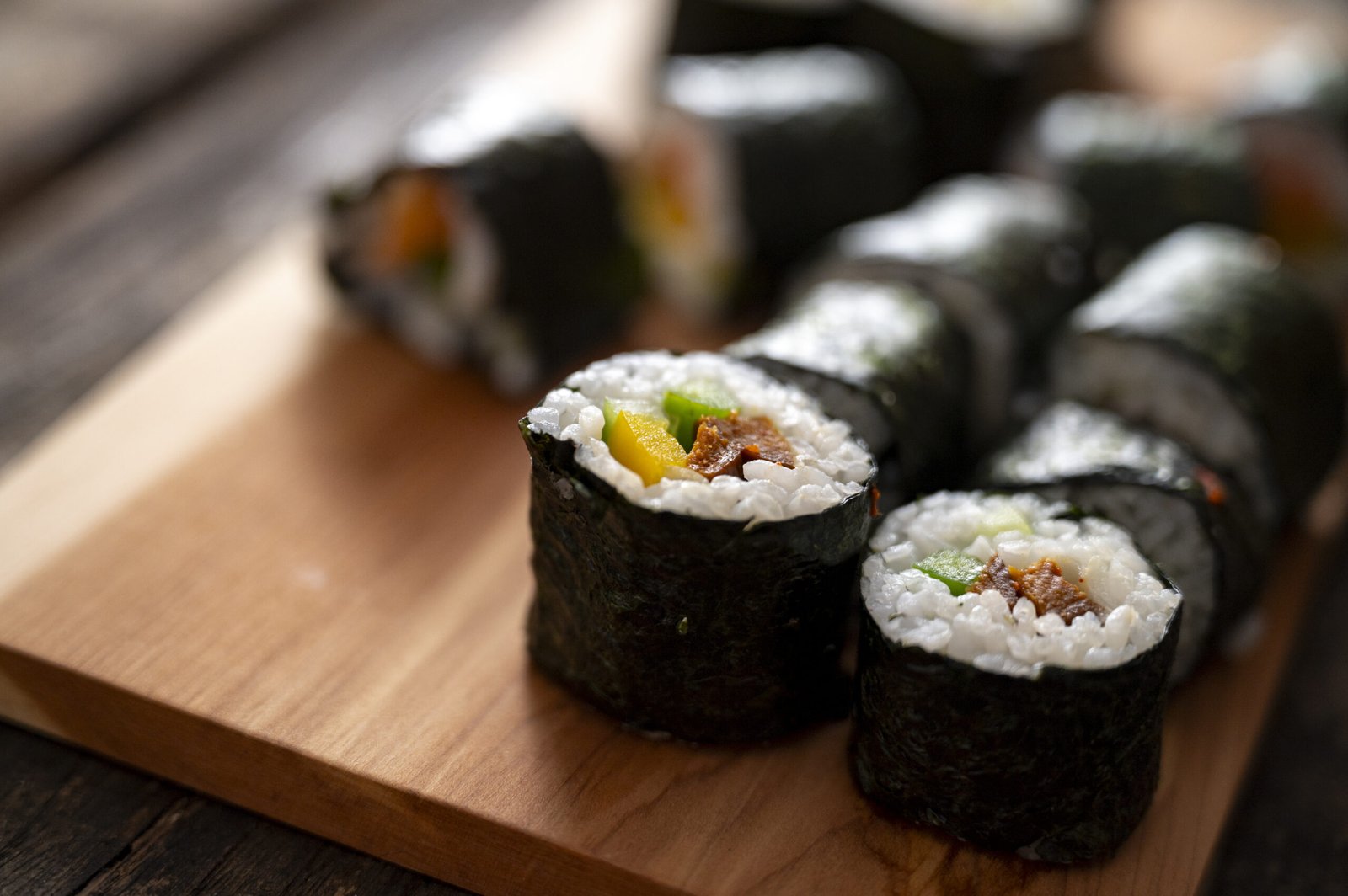
- Sushi rolls
- Snack sheets
- Crumbling over rice bowls
- Wrapping onigiri
- Grinding into seasoning blends
Pro tip: Toast nori quickly over a gas flame for 2–3 seconds to enhance flavor.
2. Kombu
Thick, dark sheets used in broths.
Flavor: Deep, savory, mineral-rich
Use it for:
- Soup bases
- Beans (reduces cooking time)
- Rice cooking water
- Homemade dashi
Kombu is your secret weapon for building flavor in vegetarian dishes.
3. Wakame
Softens dramatically when soaked.
Flavor: Light, slightly sweet
Use it for:
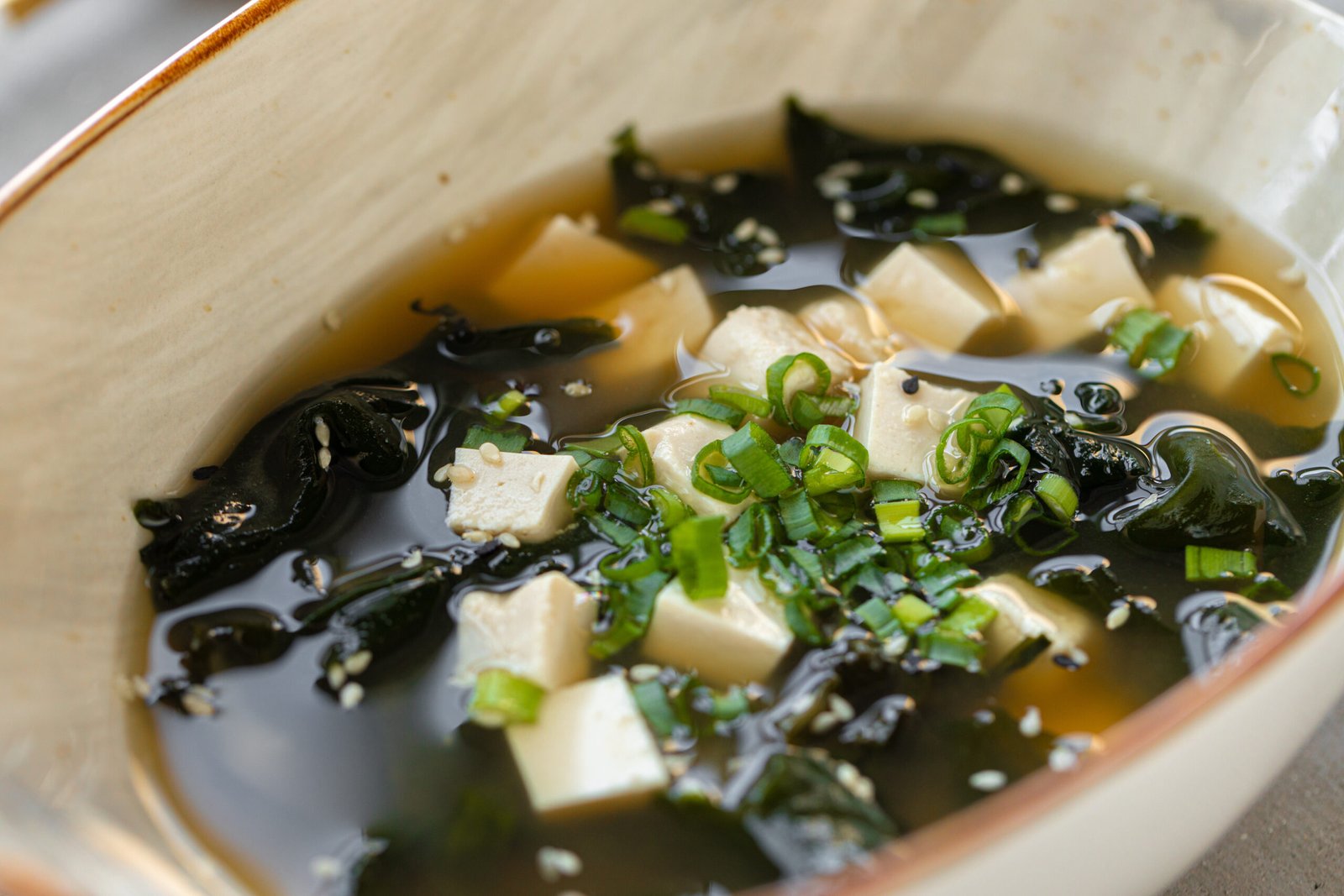
- Miso soup
- Seaweed salad
- Grain bowls
- Ramen toppings
A small amount expands a lot — soak first before using.
4. Dulse
Reddish flakes or strips.
Flavor: Smoky, slightly salty
Use it for:
- Sprinkling over popcorn
- Adding to scrambled eggs
- Blending into butter
- Crumbling into salads
Dulse is one of the easiest “beginner” seaweeds.
5. Kelp Granules
Ground seaweed seasoning.
Flavor: Salty and savory
Use it for:
- Replacing part of your salt
- Seasoning roasted vegetables
- Adding to soups or marinades
How to Use Seaweed Beyond Sushi
You do not need to make sushi to use seaweed.
Here are simple kitchen upgrades:
- Add a strip of kombu when cooking dried beans.
- Toss wakame into a cucumber salad.
- Stir dulse into compound butter.
- Add kelp granules to roasted potatoes.
- Blend nori into breadcrumbs for crispy toppings.
- Steep kombu in broth, remove before serving.
Seaweed works as a flavor enhancer more than a “main ingredient.”
Looking for other unique flavors? Try my Traditional Indian Butter Chicken
Does Seaweed Make Food Taste Fishy?
Used properly, no.
Too much seaweed can overpower a dish.
But small amounts add depth — not ocean.
If you’re new to cooking with seaweed:
- Start with dulse or kelp granules.
- Use small quantities.
- Pair with neutral foods (rice, beans, potatoes).
How to Store Seaweed
Most dried seaweed should be:
- Kept airtight
- Stored in a cool, dry pantry
- Used within 6–12 months
Moisture is the biggest enemy. If it gets soft, it won’t crisp properly.
Is Seaweed Healthy?
Seaweed contains:
- Iodine (important for thyroid function)
- Fiber
- Trace minerals
- Plant compounds with antioxidant properties
But moderation matters. Because of iodine content, it’s best used as a seasoning or enhancement — not eaten in large quantities daily.
Looking for other healthy recipes? Try my Creamy Broccoli & Chicken Over Rice
Beginner Recipe Ideas
If you want easy entry points:
- Miso soup with wakame
- Rice cooked with a strip of kombu
- Nori sprinkled over avocado toast
- Dulse stirred into scrambled eggs
- Kelp granules added to roasted vegetables
Start small. Build confidence.
Looking for other traditional easy recipes? Try out my Arizona Navajo Fry Bread Recipe!
Final Thoughts
Seaweed isn’t just for sushi night.
It’s a pantry ingredient that adds savory depth, boosts mineral content, and elevates simple foods.
Once you understand how to use it — lightly, strategically, thoughtfully — it becomes a quiet powerhouse in your kitchen.
You don’t need to taste the ocean.
You just need a little umami.
Pin to Pinterest
Related
Looking for other recipes like this? Try these: