There is something almost magical about pulling a batch of homemade cookies out of the oven. The crackly tops. The soft centers. The buttery aroma that fills the kitchen. But here’s the part most people don’t talk about:
How you store them determines whether they stay bakery-perfect… or turn disappointing overnight.
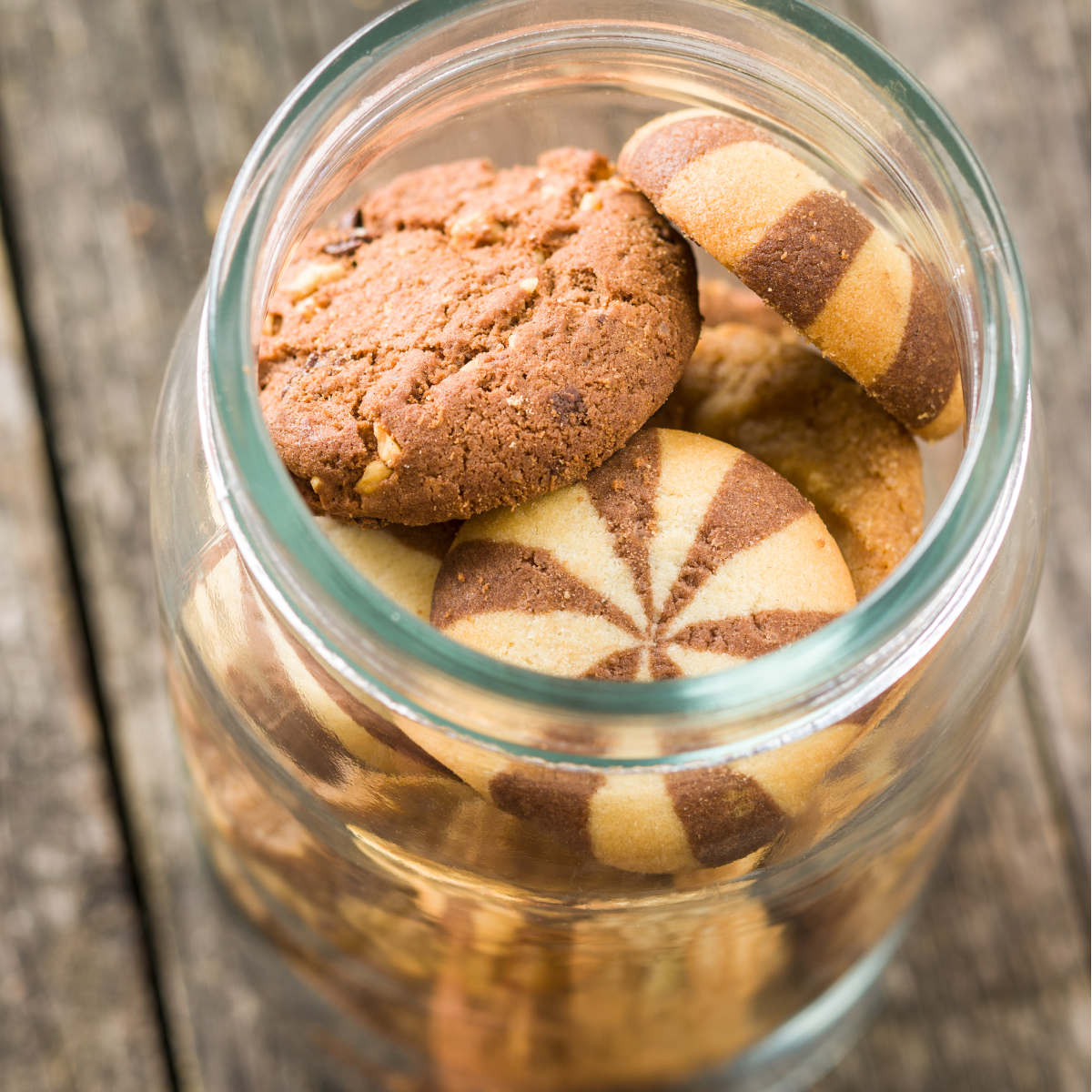
’ve tested this more times than I can count. Soft cookies that turned firm. Crispy cookies that went limp. Beautiful batches ruined simply because they were stored the wrong way.
Today we’re fixing that.
Because soft cookies and crispy cookies need different storage strategies. And once you understand why, you’ll never lose texture again.
Jump to:
- Why Cookie Storage Matters More Than You Think
- 1. Cool Completely Before Storing
- 2. Use an Airtight Container
- 3. The Brown Sugar (or Bread) Trick
- 4. Separate by Flavor
- 5. Freezing Soft Cookies
- 1. Do NOT Seal Them Tightly (At First)
- 2. Avoid Adding Bread
- 3. Add a Desiccant
- 4. Fixing Softened Crispy Cookies
- 5. Freezing Crispy Cookies
- Related
- Pairing
Why Cookie Storage Matters More Than You Think
Cookies are constantly interacting with the air around them.
- Soft cookies contain more moisture.
- Crispy cookies contain less moisture.
- Air humidity changes everything.
- Even storing different types together can alter texture.
Cookies don’t just “sit.” They exchange moisture with their environment. If you want them to stay soft, chewy, or crisp, you have to control that environment.
Let’s break it down clearly.
Storing Soft Cookies
Think:
- Chocolate chip cookies
- Sugar cookies
- Peanut butter cookies
- Oatmeal raisin
- Whoopie pies
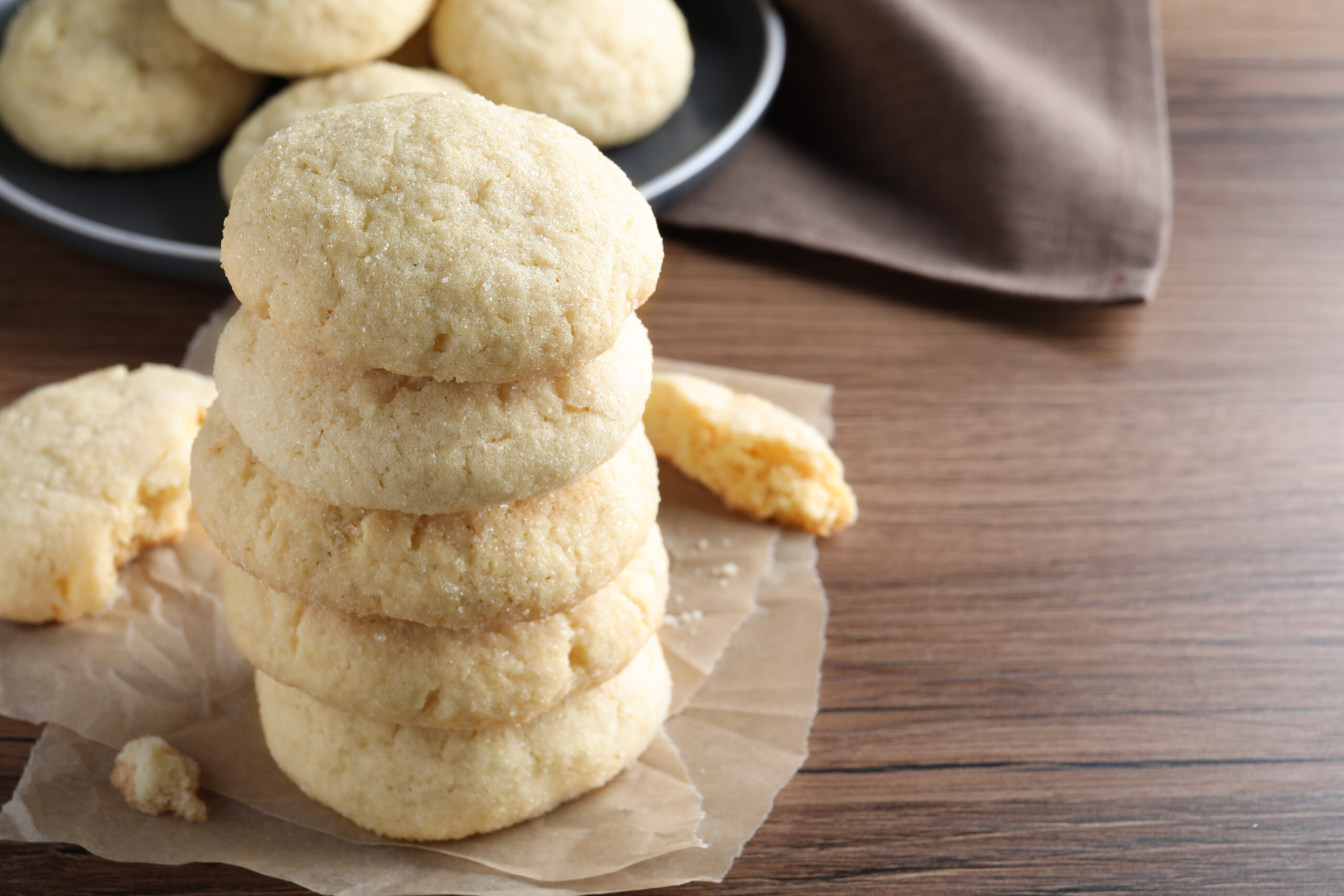
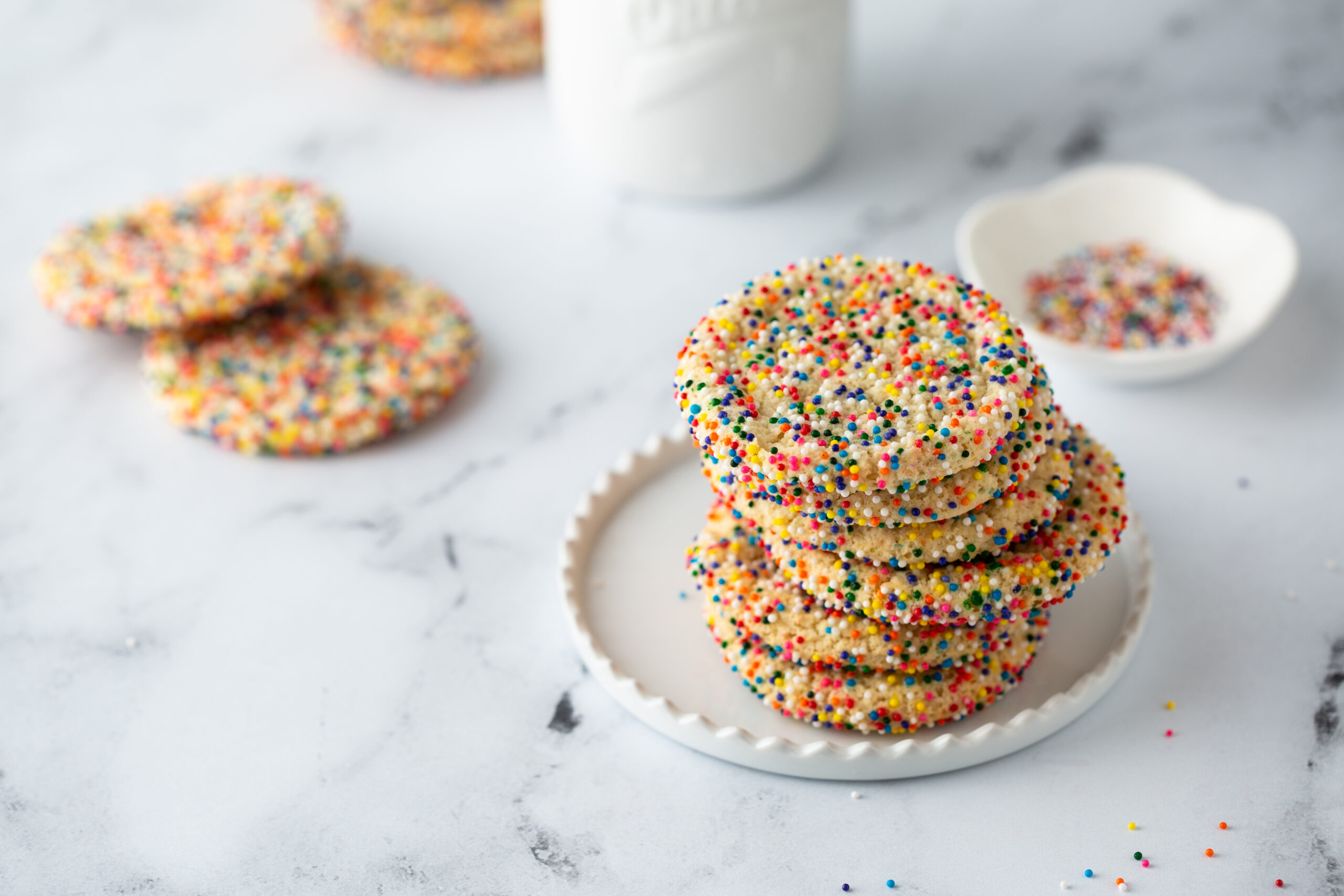
These cookies are meant to be soft in the center. Slightly chewy. Tender.
Here’s how to protect that texture.
My Favorite Soft Cookie Recipes:
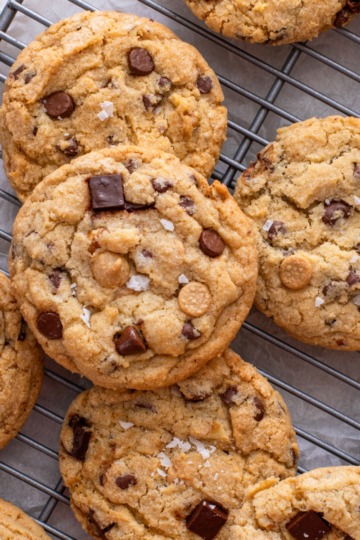
- Brown Butter Chocolate Chip Cookies – chewy centers with crisp edges and deep caramel flavor.
- Gooey Chocolate Crinkle Cookies – thick, tender, and bakery-style.
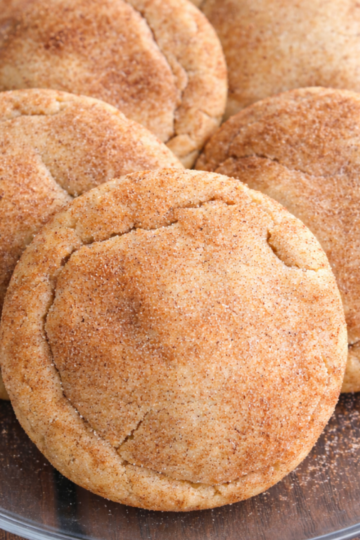
- Soft & Chewy Snickerdoodle Cookies – soft in the center with lightly golden edges.
1. Cool Completely Before Storing
This is non-negotiable.
If cookies are even slightly warm:
- Steam gets trapped.
- Condensation forms.
- They become soggy.
Let them cool fully on a rack before storing.
2. Use an Airtight Container
Soft cookies need to retain moisture.
Store them in:
- A sealed container
- A zip-top bag with air pressed out
- A cookie tin with a tight lid
Air exposure dries them out quickly.
3. The Brown Sugar (or Bread) Trick
If your cookies start to firm up, add:
- A small slice of sandwich bread or
- A tablespoon of brown sugar in a small open container inside the box
The cookies absorb moisture from the bread or sugar and soften again.
Replace the bread slice every day or two if storing longer.
4. Separate by Flavor
Don’t store peppermint cookies with peanut butter.
Don’t store spice cookies with sugar cookies.
Cookies absorb odors and flavors easily.
5. Freezing Soft Cookies
Soft cookies freeze beautifully.
- Cool completely.
- Freeze in a single layer first.
- Transfer to freezer-safe bags.
- Freeze up to 3 months.
To thaw:
Let them sit at room temperature inside the container so condensation forms on the container, not the cookies.
Common Mistake with Soft Cookies
Storing them in the refrigerator.
The fridge dries cookies out unless they’re frosted or filled. Room temperature is best.
Storing Crispy Cookies
Think:
- Thin chocolate chip cookies
- Gingersnaps
- Shortbread
- Biscotti
- Meringues
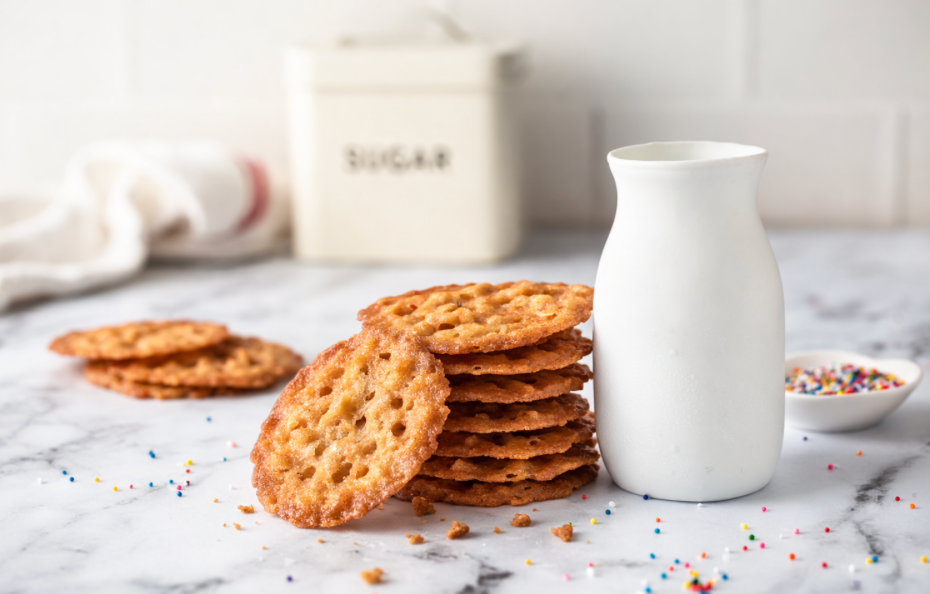
Crispy cookies are all about low moisture. That crunch is delicate.
1. Do NOT Seal Them Tightly (At First)
Crispy cookies trapped in a fully airtight container can soften from residual moisture.
Let them:
- Cool fully.
- Sit loosely covered for several hours if needed.
If humidity is low, you can store them in a container that is not fully airtight.
2. Avoid Adding Bread
Never use the bread trick for crispy cookies.
It will ruin the texture.
3. Add a Desiccant
In humid climates, you can add:
- A small food-safe silica pack (like from seaweed snacks)
- Or a small container of uncooked rice (not touching cookies)
This absorbs moisture and protects crispness.
I’ve linked all my favorite baking tools on my Shop My Kitchen page if you’d like to see what I use regularly.
4. Fixing Softened Crispy Cookies
If they lose their crunch:
- Bake at 300°F for 3–5 minutes.
- Cool completely on a rack.
They crisp back up beautifully.
5. Freezing Crispy Cookies
Yes, you can.
But:
- Freeze in airtight packaging.
- Thaw uncovered so moisture doesn’t soften them.
Can You Store Soft & Crispy Cookies Together?
No.
Even in the same container, moisture will redistribute.
Soft cookies will dry out.
Crispy cookies will soften.
Always store by texture type.
Counter vs Fridge vs Freezer
Room Temperature (Best for Most Cookies)
- 3–5 days typical freshness
- Store away from direct sunlight
- Keep sealed appropriately based on texture
Refrigerator (Rarely Ideal)
Only use if:
- Cookies contain cream cheese frosting
- They have custard fillings
- They contain perishable toppings
Otherwise, the fridge speeds staling.
Freezer (Best for Long-Term)
Most cookies freeze exceptionally well.
Even better:
Freeze cookie dough balls instead. Bake fresh as needed.
Fresh-baked always wins.
Why Cookies Change Texture
This is the part most people don’t realize.
Cookies are hygroscopic. That means they absorb and release moisture from the air.
- In dry air → soft cookies dry out.
- In humid air → crispy cookies soften.
- Stored together → moisture equalizes between them.
Understanding that simple principle makes storage easy.
Control moisture = control texture.
Troubleshooting Cookie Storage
My cookies got hard overnight.
They weren’t sealed tightly enough. Add bread and reseal.
My crispy cookies went soft.
Too much humidity or container was too airtight too soon. Re-crisp in oven.
My cookies taste like the freezer.
They weren’t sealed tightly enough. Use double-layer wrapping.
My frosted cookies are sweating.
They were stored before fully set. Let icing firm before sealing.
Storage Timeline Cheat Sheet
Soft Cookies
- Room temp: 3–5 days airtight
- Freezer: 2–3 months
Crispy Cookies
- Room temp: 1 week loosely covered (low humidity)
- Freezer: 2–3 months airtight
Why This Matters for Home Bakers
If you’re gifting cookies…
If you’re prepping for holidays…
If you’re selling baked goods…
If you’re batch baking for the week…
Storage can make or break the experience.
Texture is everything.
A chewy chocolate chip cookie that turns cakey or dry isn’t the same cookie anymore. A gingersnap that loses its snap loses its magic.
And the good news?
Once you understand the moisture balance, cookie storage becomes simple.
Final Thoughts
Baking is only half the story. Storing is the other half. Soft cookies need moisture protection. Crispy cookies need moisture control.
Treat them differently, and they’ll reward you with the exact texture you worked so hard to create.
Whether you love that soft, bend-in-the-middle chocolate chip cookie or a thin, crackly gingersnap that snaps cleanly in half — you now know how to keep them exactly that way.
And once you start storing cookies properly, you’ll never go back.
Related
Looking for other recipes like this? Try these:

Pairing
These are my favorite dishes to serve with [this recipe]: