What the Science Actually Says
If you’ve ever searched for ways to make rice “healthier,” you’ve probably seen bold claims like:
- “Cut the calories in rice in half!”
- “Add coconut oil and chill it!”
- “Turn white rice into low-calorie rice!”
But can you really lower the calories in rice — or is it just internet hype?
Let’s break down what actually happens, what the science says, and what realistically changes (and what doesn’t).
Jump to:
The Claim: Cooling Rice Lowers Calories
The viral method usually goes like this:
- Add a small amount of fat (like coconut oil) to cooking water.
- Cook rice normally.
- Cool it in the refrigerator for 12+ hours.
- Reheat before eating.
The claim is that this process “reduces calories by up to 50%.”
That sounds dramatic.
But here’s what’s really happening.
What’s Actually Changing?
Rice contains starch — which is a carbohydrate your body normally digests into glucose.
When rice is cooked and then cooled, some of the starch undergoes a process called retrogradation.
This forms something called resistant starch.
Resistant starch:
- Is not fully digested in the small intestine
- Acts more like fiber
- Feeds beneficial gut bacteria
- May reduce blood sugar spikes
Because resistant starch isn’t fully absorbed, it may slightly reduce the usable calories your body extracts.
But the key word is slightly.
Love rice? Try out one of my favorite dishes: The Ultimate Chicken Tikka Masala
How Much Does It Actually Reduce Calories?
Research suggests cooling rice can increase resistant starch content by:
- About 1–3% in typical home cooking
- Possibly up to 5–10% under ideal controlled conditions
It does not reliably cut calories in half.
So instead of reducing a 200-calorie serving to 100 calories…
You might reduce it by 5–15 calories.
That’s helpful metabolically — but not dramatic.
Does Adding Coconut Oil Help?
The theory behind adding fat during cooking is that fat interacts with starch granules and may increase resistant starch formation.
Some lab studies have shown modest increases.
However:
- Results vary by rice variety
- Results vary by cooking method
- Results vary by cooling time
At home, the effect is usually modest.
And remember — coconut oil adds calories too.
So you must account for that.
Does Reheating Undo the Benefit?
Good news:
Reheating does not significantly destroy resistant starch.
Once formed during cooling, much of it remains stable.
So you can reheat your rice safely without losing the effect.
What Actually Changes When You Cool Rice?
Cooling rice can:
- Slightly lower glycemic impact
- Increase resistant starch
- Improve gut microbiome effects
- Improve satiety for some people
It does not:
- Eliminate carbs
- Cut calories drastically
- Turn rice into a low-carb food
Rice is still rice.
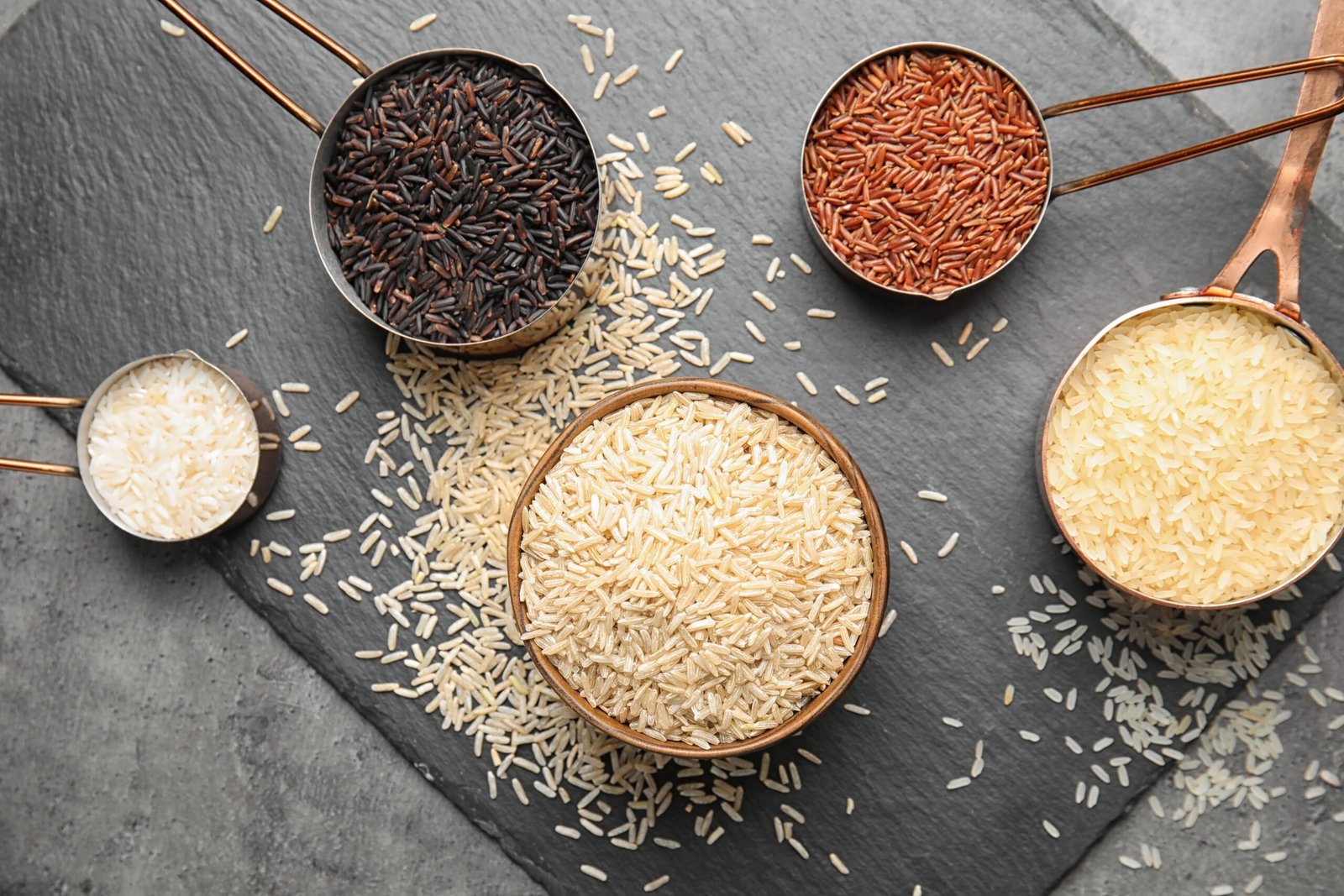
White Rice vs Brown Rice
Brown rice already contains:
- More fiber
- Slightly lower glycemic response
- More nutrients
Cooling both types increases resistant starch.
But neither becomes dramatically “low calorie.”
Looking for a delicious rice dish? Try out my Authentic Indian Butter Chicken
Practical Takeaway: Is It Worth Doing?
Yes — but for the right reasons.
If your goal is:
- Blood sugar control
- Gut health support
- Slight metabolic improvement
Then cooling rice before eating may help.
If your goal is:
- Major calorie reduction
It’s not a miracle solution.
Portion control will always matter more.
Love Rice? Try out this easy recipe: Easy Broccoli & Chicken Over Rice
A More Effective Strategy
Instead of trying to “hack” rice calories, consider:
- Eating slightly smaller portions
- Pairing rice with protein and fat
- Adding fiber-rich vegetables
- Choosing whole grains when possible
These have a larger metabolic impact than cooling alone.
Bottom Line
Can you really lower the calories in rice?
Technically — yes, a little.
Significantly — no.
Cooling rice increases resistant starch and may modestly reduce digestible calories, but it doesn’t transform rice into a diet food.
It’s a helpful tool — not a magic trick.
Pin to Pinterest
Related
Looking for other recipes like this? Try these: