There’s a moment every baker has—somewhere between feeding a starter for the tenth time and wondering why it smells different today—when you realize that baking isn’t just an art. It’s a science. A beautiful, living, bubbling science. And while the internet is full of tips, tricks, and “my starter doubled in two hours!” flexes, the advanced troubleshooting rarely lives in one place.
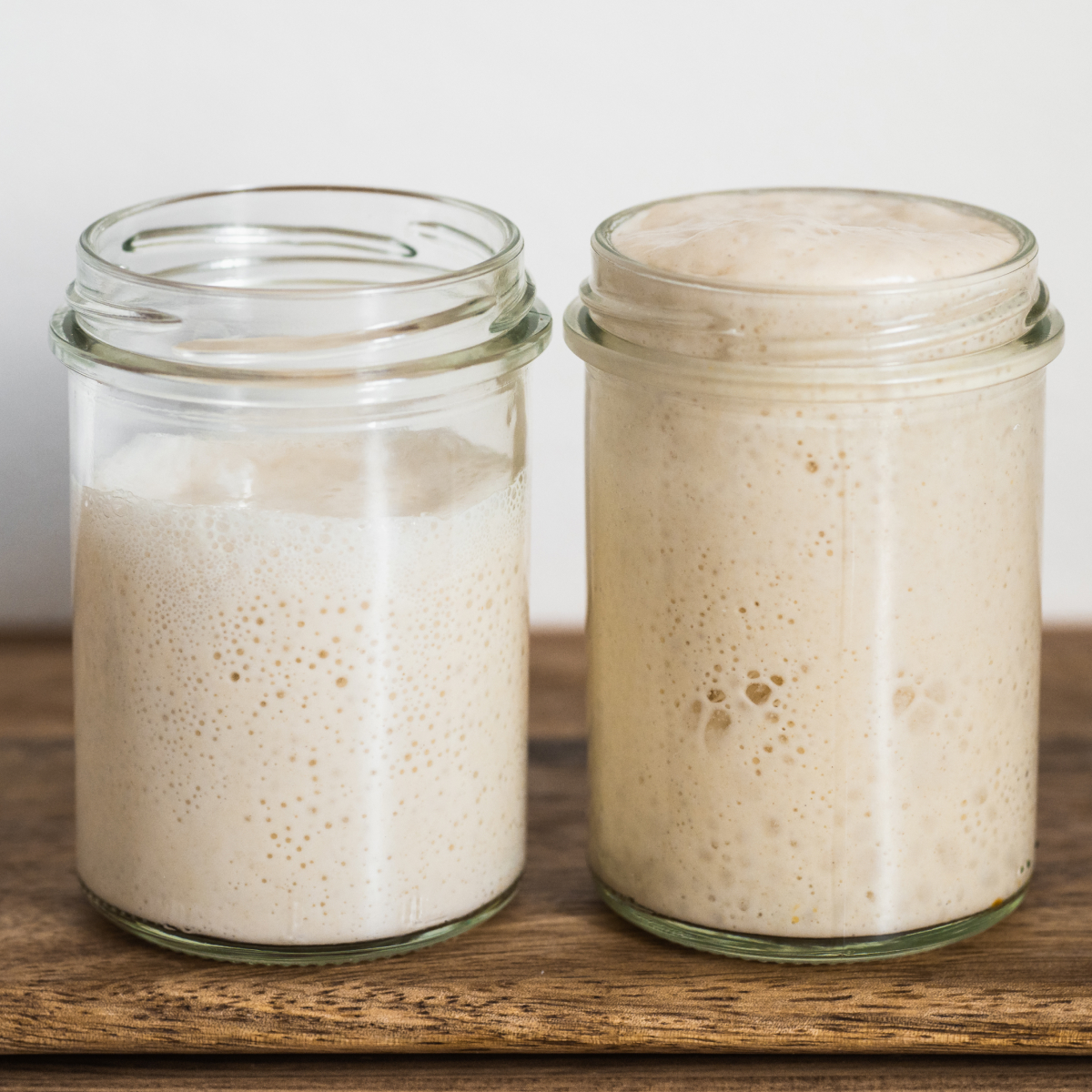
hink of this as your definitive sourdough starter science manual—the place you come when your starter smells odd, rises unpredictably, forms hooch, gets sluggish, becomes too sour, isn’t sour enough, or simply doesn’t behave like the one in someone else’s kitchen. Because the truth is simple:
Your starter reflects your environment, your ingredients, and your feeding ratios.
Let’s break down the real science behind it all so you can diagnose problems like a pro and adjust your starter with absolute confidence.
Jump to:
Why Precision Matters in Baking (Especially Sourdough)
Baking is chemistry wearing an apron. Every ingredient you use is a variable. Every gram of flour, every feeding ratio, every temperature shift—all of it influences yeast activity, bacterial balance, acidity, hydration, and flavor.
Where cooking lets you improvise, baking demands precision.
Still, sourdough tends to sit in this magical grey area between science and intuition. People talk about it like a “pet” or a “friend” you get to know. But underneath the friendly metaphors, what’s happening inside your jar is a microscopic ecosystem responding to:
- Temperature
- Flour type
- Feeding schedule
- Hydration
- Ratios
- Acidity
This guide will walk through the biggest trouble points bakers experience and show you the why and the how behind the solutions.
Let’s start with one of the most misunderstood issues: hooch vs. acidity.
The Hooch vs. Acidity Problem
What’s actually happening inside your starter—and what it’s trying to tell you.
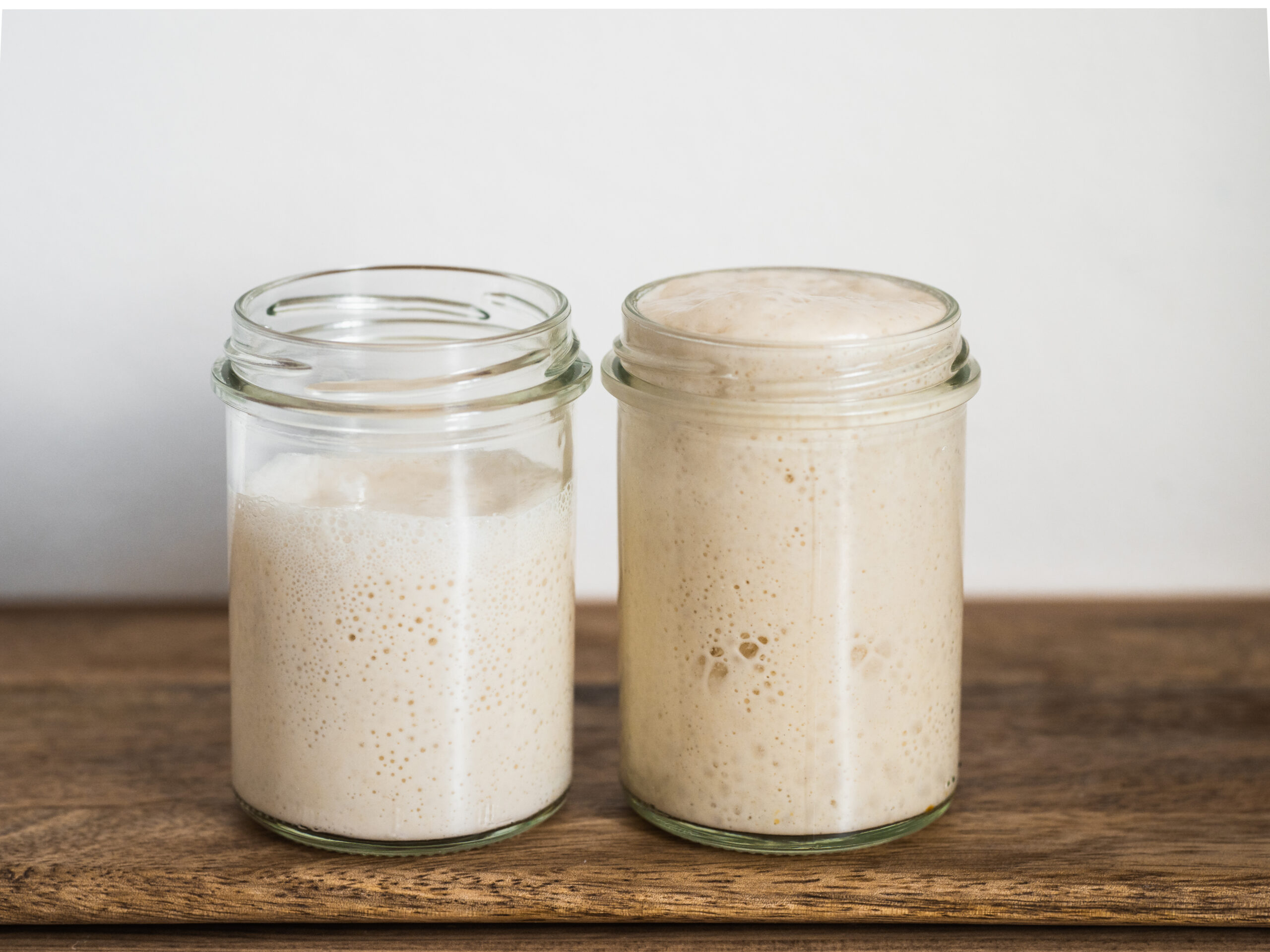
If you’ve ever opened your starter jar and found a layer of greyish liquid sitting on top, you’ve probably panicked. That liquid is called hooch, and it forms when your starter runs out of food.
But here’s where the confusion begins:
Not all sluggish or sour starters form hooch.
Not all hooch means the starter is “weak.”
And many guides contradict each other on what to do next.
So let’s break it down accurately.
What is Hooch, Scientifically?
Hooch is a byproduct of starving yeast. It’s primarily alcohol created when yeast has consumed all available sugars in the flour and has nothing left to metabolize.
When hooch forms, it means:
- Your starter is eating faster than you are feeding.
- Your temperature may be too warm.
- Your feeding ratio might be too small.
- Your flour choice may be boosting activity faster than expected.
This is why hooch can help diagnose your environment.
What is Acidity?
Acidity comes from bacteria—not yeast.
Even a well-fed starter can become overly acidic if:
- You’re feeding small ratios (like 1:1:1) too often
- The starter sits too long between feedings
- Temperature is warm enough to favor Lactobacillus
- You’re using whole grains that naturally increase acidity
Acidity changes:
- Rise patterns
- Smell
- Strength
- Flavor of your bread
Understanding the balance between alcohol-driven hooch and bacteria-driven acidity is the secret to controlling your starter’s flavor profile.
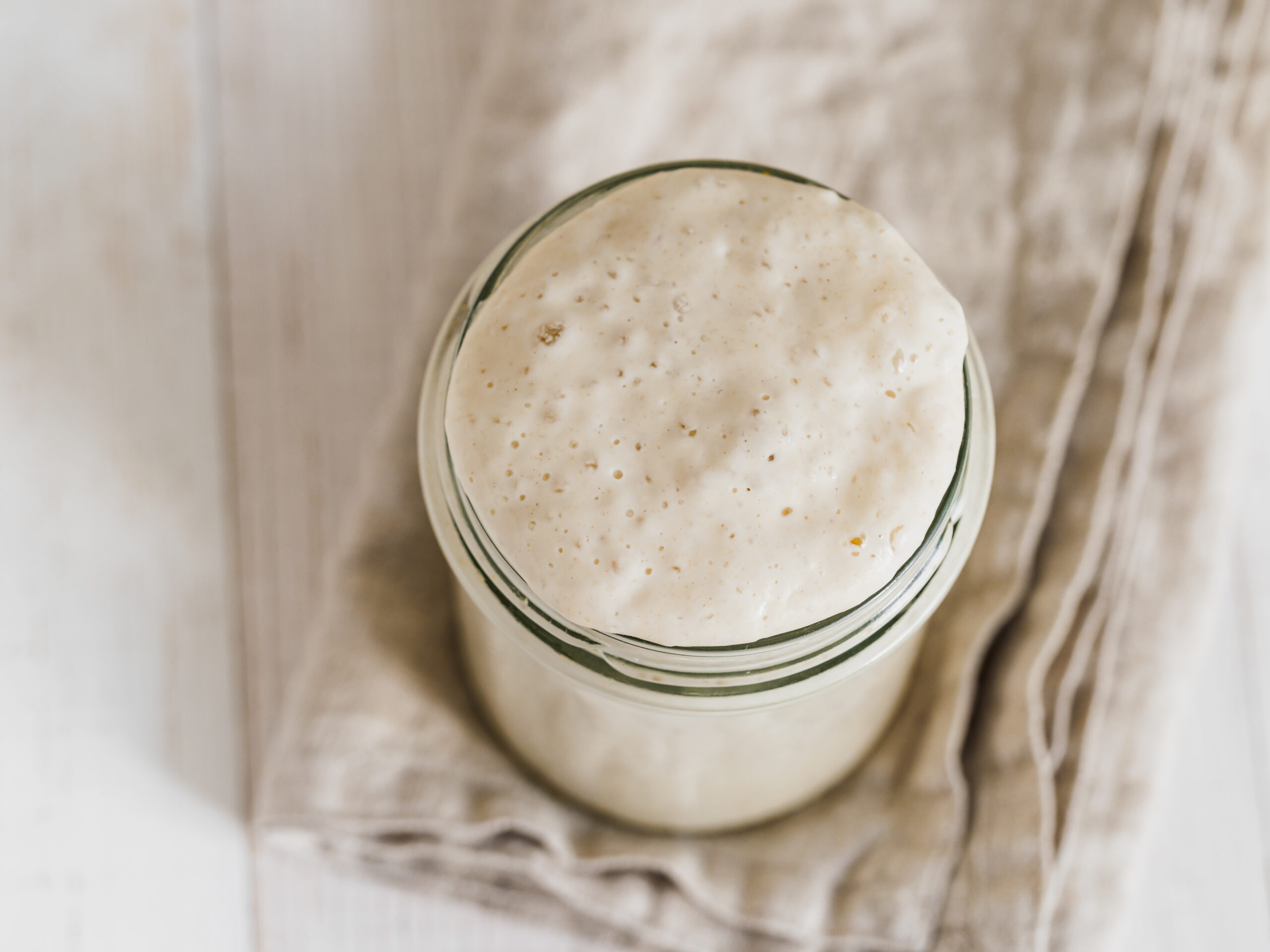
Feeding Ratios Explained (1:1:1 vs. 1:2:2 vs. 1:5:5)
How to choose the right ratio for your goals.
The feeding ratio you choose isn’t random—it dictates the entire behavior of your starter.
Let’s break down what each one does.
1:1:1 — The “Fast & Active” Ratio
This is the equivalent of giving your starter an espresso shot.
It produces:
- Fast rises
- High activity
- Rapid metabolism
Best for:
- Cool kitchens
- Weak or recently revived starters
- Building strength quickly
Downsides:
- Can become acidic fast
- Needs frequent feeding
- May collapse sooner
If your starter forms hooch quickly at this ratio → it’s burning through food fast and needs a larger feeding or cooler environment.
1:2:2 — The “Balanced” Ratio
This is the most universally stable feeding ratio.
It produces:
- Reliable rises
- Controlled acidity
- Predictable fermentation
Best for:
- Daily maintenance
- Moderate room temperatures (70–75°F)
- Bakers who want consistency
If your starter is too sour at this ratio → increase dilution (use 1:5:5) or lower temperature.
1:5:5 — The “Reset Button” Ratio
Use this when you need to calm your starter down.
This ratio:
- Dramatically dilutes acidity
- Lengthens peak time
- Reduces sourness
- Stabilizes runaway yeast activity
Best for:
- Overly sour starters
- Starters fed irregularly
- Hot climates
- Times when you want a mild-flavored bread
If your starter is sluggish at this ratio → temperature or flour type may be the culprit (more on that next).
Temperature: The Hidden Puppet Master
If flour is the food and ratios are the schedule, then temperature is the boss of everything.
Here’s how temperature affects your starter:
65–70°F (Cool Environment)
- Yeast slows down
- Bacteria slows down
- Less sour
- Longer peak times
- Ideal for beginners who overfeed
75–80°F (Warm Environment)
- Yeast becomes hyperactive
- Bacteria increases acidity
- Hooch appears faster
- Flavor gets tangier
- Peak times shorten significantly
80–85°F (Hot Environment)
- Extremely sour
- Very fast rise
- Hooch common
- Starters need high ratios to stay balanced
If you live somewhere warm, you may need:
- 1:3:3 or 1:5:5 feedings
- Cooler resting spots (inside low oven with light off, basement, pantry)
- More frequent feedings
- A flour choice that stabilizes the culture
Speaking of flour…
This is where the real magic happens.
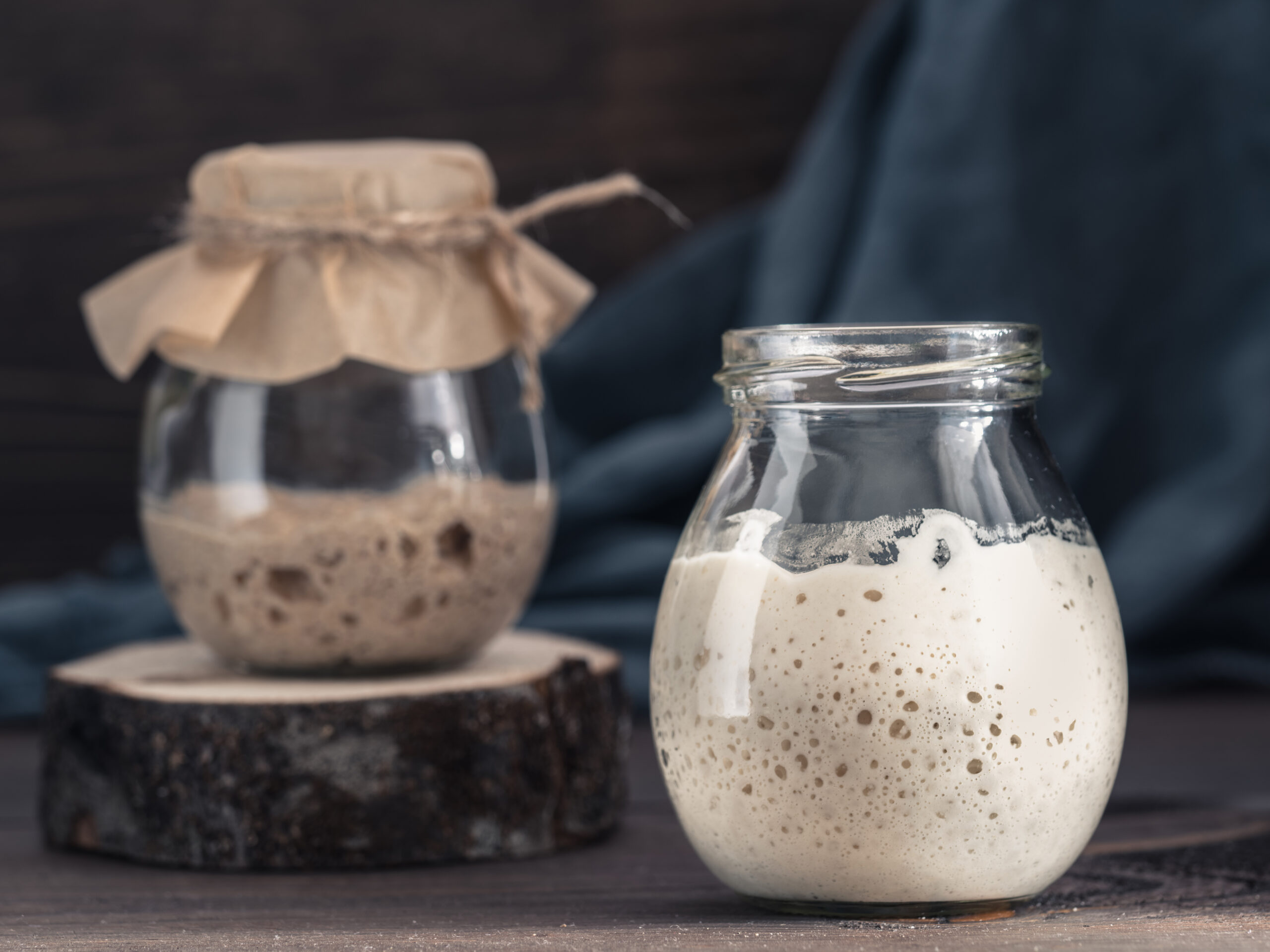
How Flour Changes Your Starter (Rye vs. Whole Wheat vs. AP vs. Bread Flour)
The same hydration does NOT look the same across flours.
Many bakers mistakenly think their starter is “dry” or “runny” based on how it looks. But hydration is not visual—it’s structural. Different grains absorb water differently.
Here’s the science behind each flour type and how it affects activity.
Rye Flour: The Rocket Booster
Rye contains:
- More enzymes
- More minerals
- More natural sugars
This means rye-fed starters:
- Ferment extremely fast
- Rise higher
- Become bubbly and loose
- Turn sour faster
- Rarely form hooch because the microbes are constantly active
Use rye when:
- Reviving a sluggish starter
- Building a strong levain
- Boosting activity in cold weather
Whole Wheat Flour: The Strength Builder
Whole wheat has bran, germ, and higher nutritional density.
This leads to:
- Higher bacterial activity
- Increased acidity
- Strong fermentation
- A thicker, grainy appearance
Whole wheat starters may look “thirsty,” but really they just absorb more water.
Use whole wheat when:
- You need more sourness
- You want predictable fermentation
- You’re building strength after a fridge rest
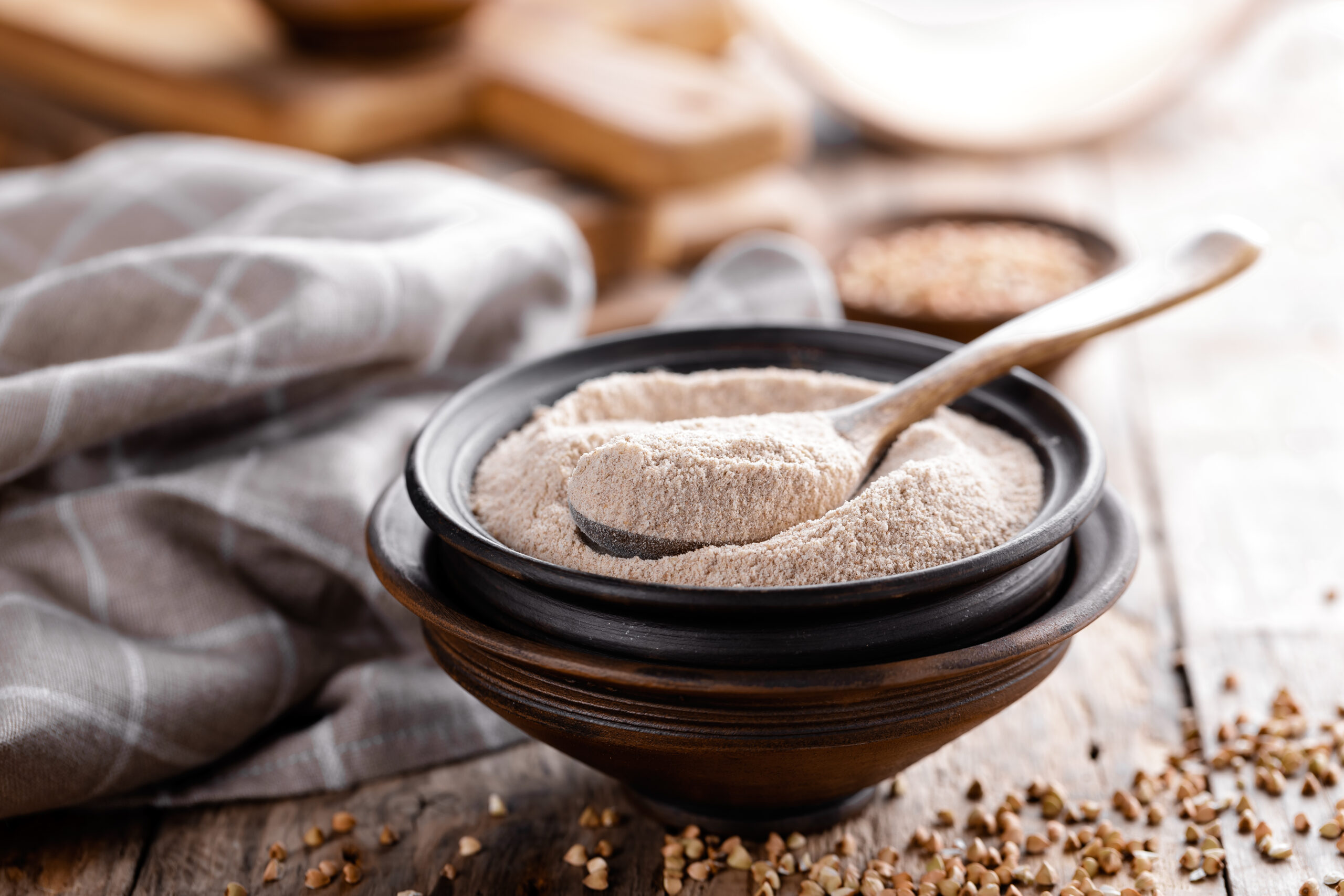
AP Flour: The Neutral Middle Ground
All-purpose flour:
- Ferments slower
- Absorbs less water
- Has fewer nutrients
- Produces mild flavors
Perfect for bakers who prefer a mild starter and want more control over timing.
Use AP when:
- You want a milder flavor profile
- You prefer long fermentation windows
- You’re baking bread for picky eaters
Bread Flour: The Elastic Workhorse
Bread flour has higher protein, which means:
- Thick, strong structure
- Slower fermentation
- Less bacterial activity
- Predictable peaks
- Cleaner, less sour flavors
Bread flour starters:
- Look stiffer at the same hydration
- Peak slower
- Stay stable during long ferments
Use bread flour when:
- You need reliability
- Your kitchen runs warm
- Your starter becomes acidic easily
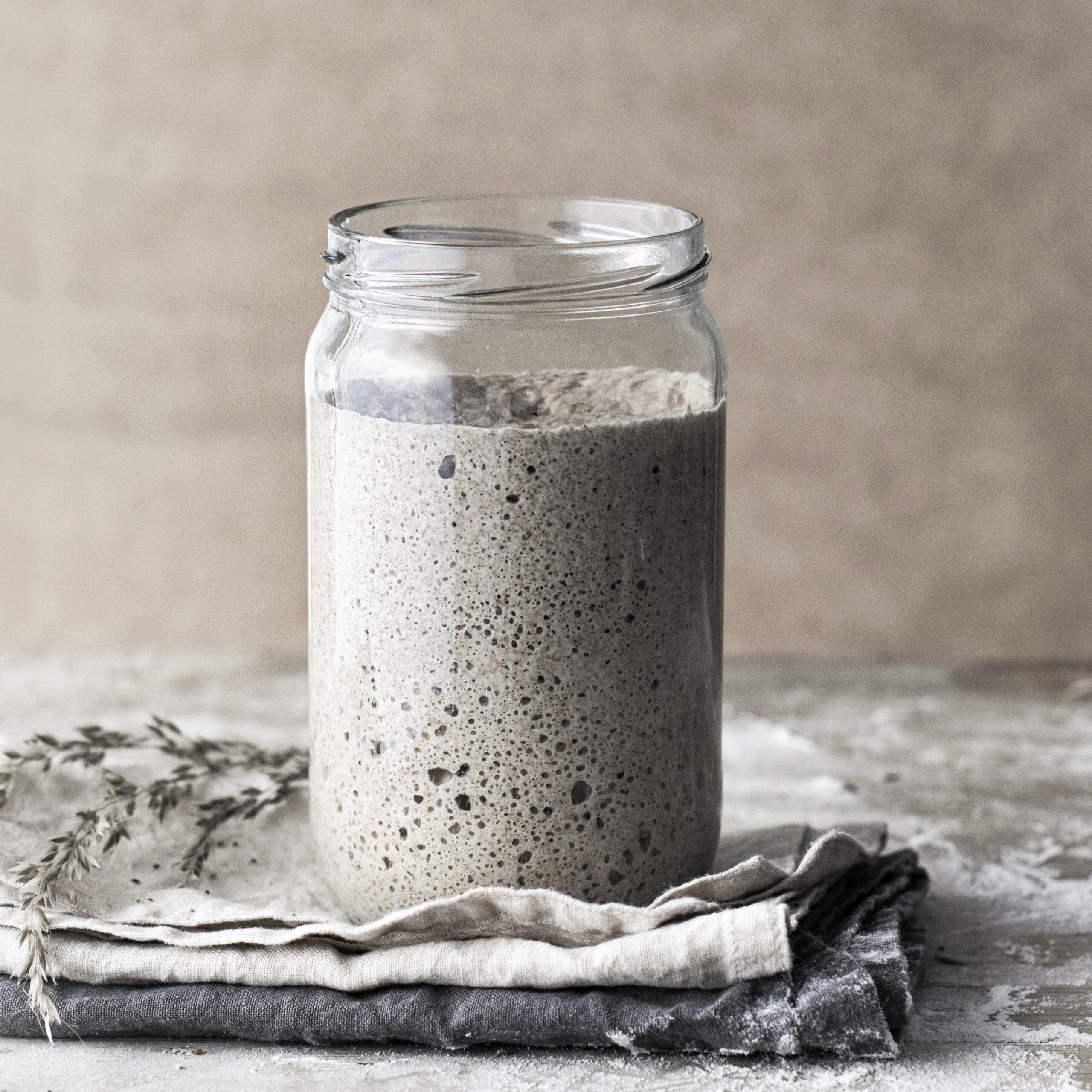
How Flour Affects Your Starter at the Same Visual Stage
Two starters may look identical at peak, but internally they behave differently.
Example:
- A rye starter at peak may only rise 50% but be extremely active.
- A bread flour starter may double or triple but produce milder flavor.
Visual cues without context are misleading.
This is why diagnosing starter issues requires understanding:
- What flour you’re using
- What your environment is doing
- How your ratios interact with both
Your starter isn’t misbehaving—it’s responding to conditions.
Diagnosing Common Starter Issues
“My starter rises fast and collapses.”
→ Too warm
→ Too small feeding ratio
→ Try 1:3:3 or 1:5:5
“My starter is too sour.”
→ Warm environment
→ Whole grain-heavy feeding
→ Too small ratio
→ Use AP or bread flour + 1:5:5
“My starter never forms bubbles.”
→ Too cold
→ Low hydration flour
→ Not enough feeding frequency
→ Add a little rye and warm it up
“Hooch forms daily.”
→ Starter is hungry
→ Too warm or too small ratio
→ Increase feeding size
“My starter looks different every day.”
→ Normal
Living cultures respond to climate, feeding habits, flour, and timing.
Why This Guide Works
Because it removes the guesswork.
You now understand:
- What hooch actually means
- How acidity affects performance
- How to choose the right feeding ratio
- How temperature secretly controls your starter
- How different flours behave
- Why starters never look the same between bakers
With this knowledge, you can confidently adjust your starter for:
- More sourness
- Less sourness
- Stronger rise
- Longer fermentation
- Better consistency
And most importantly—you can troubleshoot your starter scientifically instead of emotionally.
Final Thoughts
Sourdough is one of the most rewarding corners of baking because you’re not just following a recipe. You’re caring for a living culture that adapts to your kitchen, your flour, and your habits. When you understand the science behind that little jar—its acidity, its feeding ratios, its temperature needs, its flour preferences—you unlock your most powerful tool as a baker, precision.
If you ever feel stuck, return to the core principles of this guide. Your starter is always communicating with you. Now, you know exactly how to listen.
Love Sourdough?! Try out some of my favorite recipes:
Old Fashioned Sourdough Discard Cinnamon Rolls
Double Chocolate Sourdough Discard Pancakes
Crispy Sourdough Discard Waffles
Pin to Pinterest
Related
Looking for other recipes like this? Try these: