(And Why Most Home Cooks Never Quite Get It)
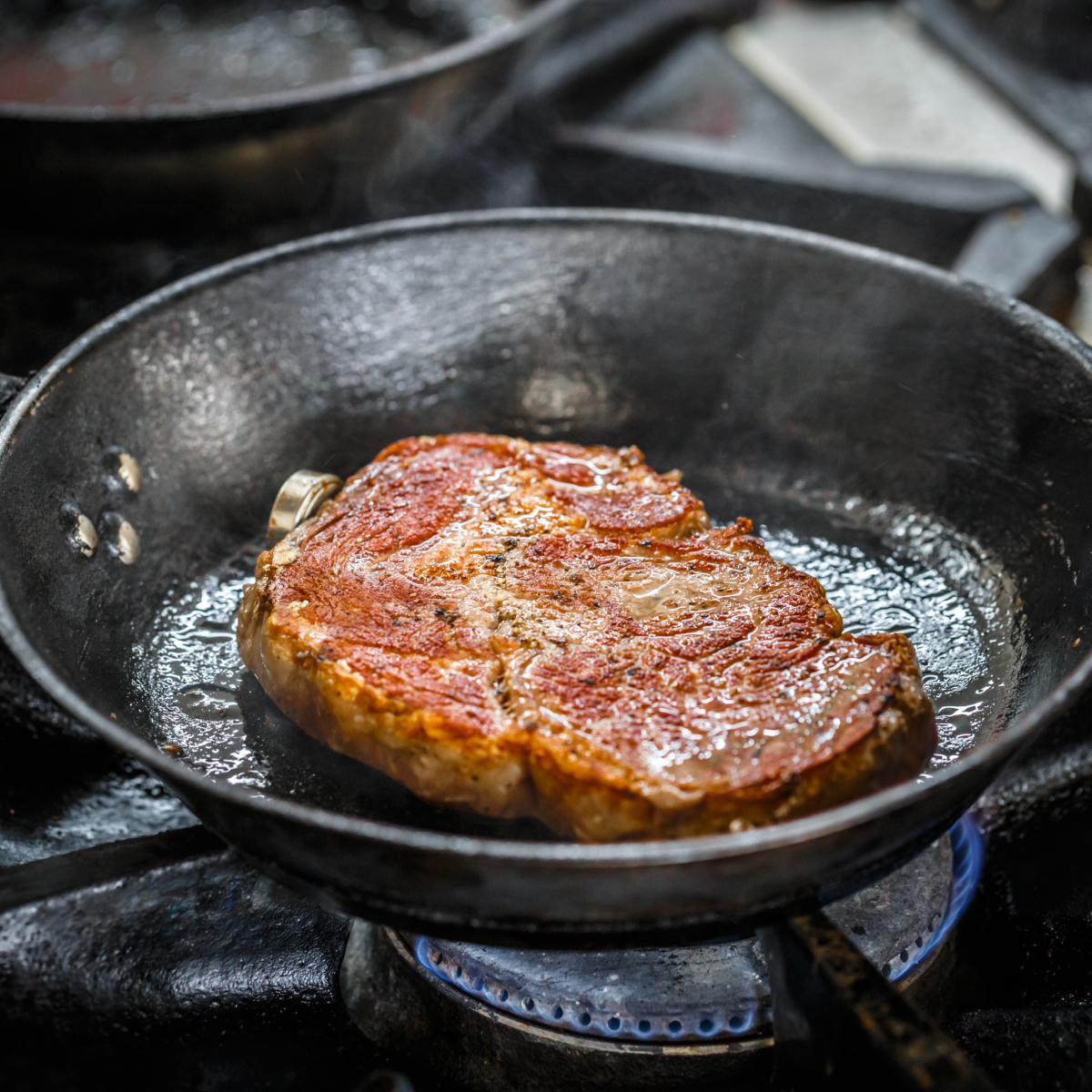
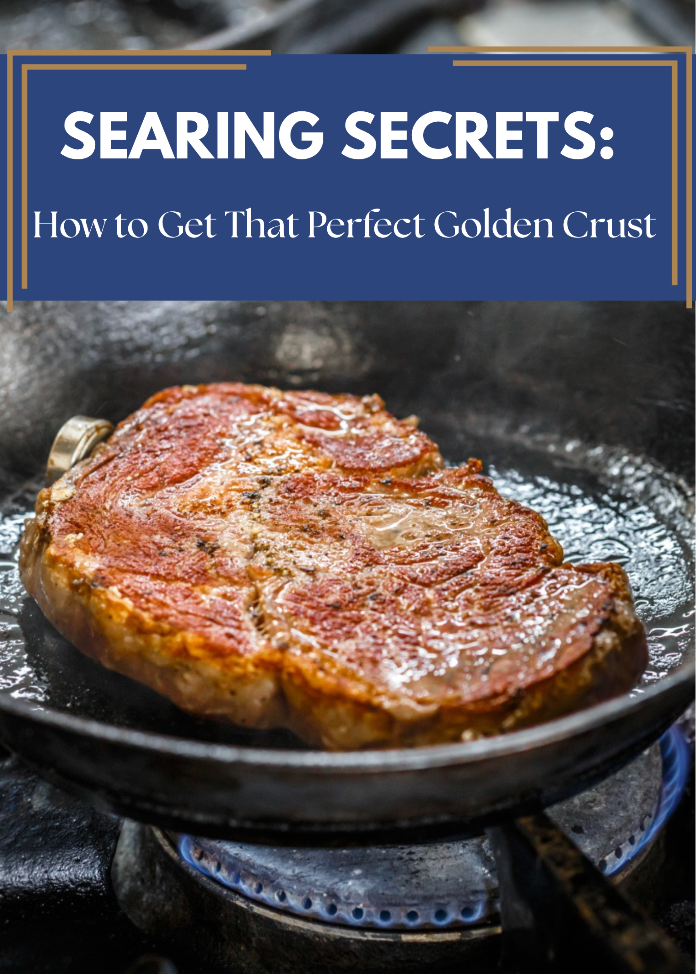
A perfect sear is more than just browning. It’s flavor. It’s texture. It’s that deep, caramelized crust that makes steakhouse steaks unforgettable and pan-seared chicken taste restaurant-level.
And here’s the truth:
Most people aren’t failing because they can’t cook.
They’re failing because they don’t understand what’s actually happening in the pan.
Today we’re fixing that.
Jump to:
What a “Perfect Sear” Actually Is
A true sear is the result of the Maillard reaction — a chemical reaction between amino acids and sugars that happens at high heat (roughly 300–500°F).
This reaction creates:
- Deep brown color
- Complex savory flavor
- Crisp exterior texture
It is not just “cooking something until it’s brown.”
And it absolutely does not happen if moisture is present.
Which leads us to the biggest mistake.
The #1 Secret to a Perfect Sear
Dry surface + High heat + Undisturbed contact
That’s it.
If you master those three things, you’ll get consistent, dramatic browning every time.
Let’s break it down.
Step-by-Step: How to Get the Perfect Sear
Start With a Dry Surface
Moisture is the enemy of browning.
Water boils at 212°F.
The Maillard reaction needs 300°F+.
If there’s water on the surface of your steak, chicken, or scallops, the pan spends its energy evaporating moisture instead of browning.
What to Do:
- Pat protein aggressively dry with paper towels.
- For steak: salt 40 minutes ahead and leave uncovered in the fridge to air-dry.
- For scallops: remove the small side muscle and dry thoroughly.
Extra tip :
Surface moisture creates steam, and steam prevents crust formation by limiting surface temperature rise.
Use the Right Pan
Not all pans sear equally.
Best Options:
- Cast iron
- Carbon steel
- Stainless steel (heavy-bottomed)
Avoid:
- Thin nonstick pans
- Lightweight aluminum pans
You want thermal mass — a pan that won’t drop in temperature when food hits it.
Preheat Properly (Not Just “Warm”)
Your pan should be fully preheated before adding oil.
How to test:
- Flick a drop of water in the pan.
- If it skitters and evaporates quickly, you’re close.
- If it sits and sizzles lazily, it’s not hot enough.
Then add oil.
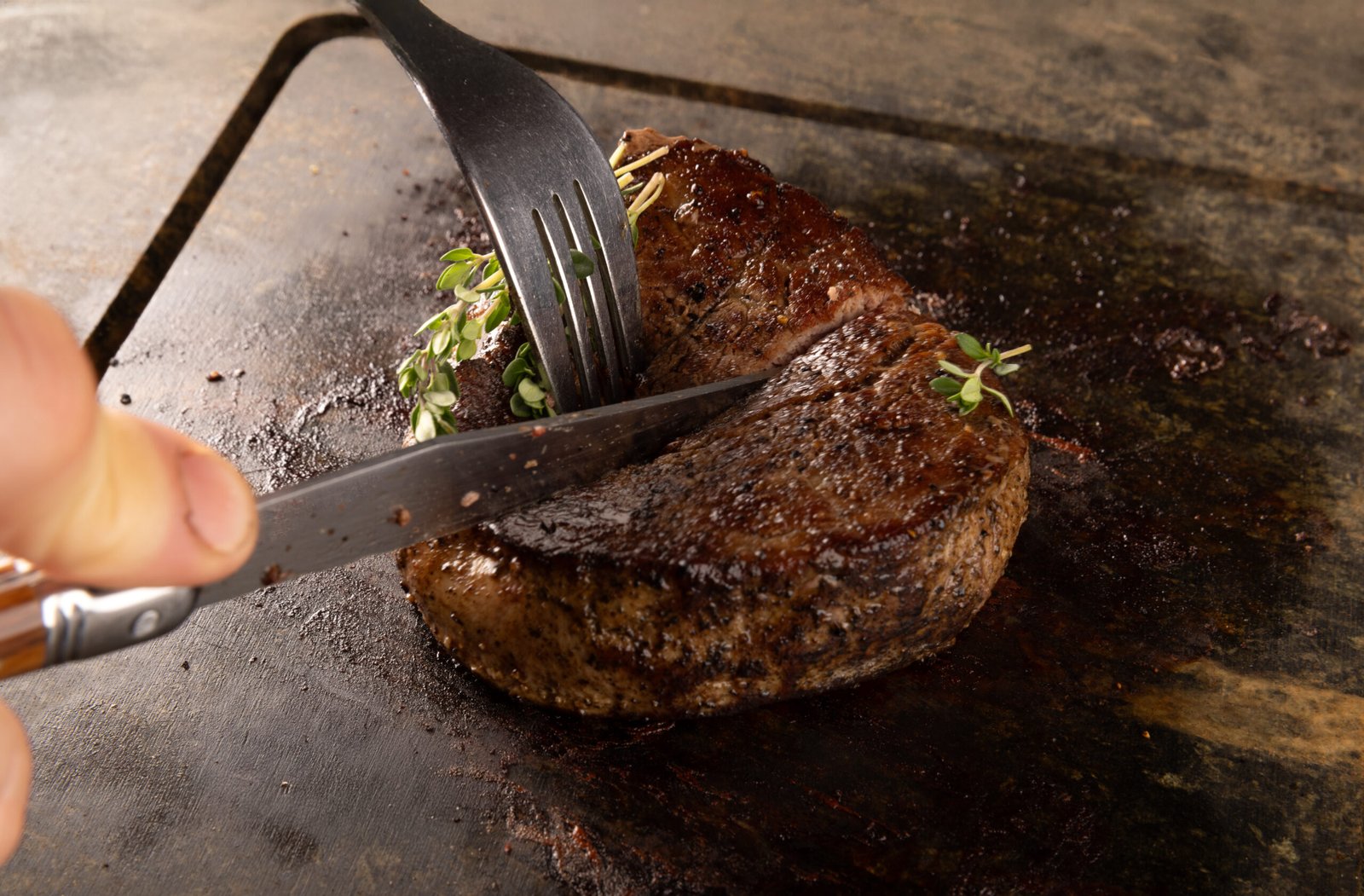
Choose the Right Oil
Use high smoke point oils:
- Avocado oil
- Grapeseed oil
- Light olive oil (not extra virgin for high heat)
- Beef tallow (for steak)
Smoke point matters because burnt oil = bitter crust.
Don’t Crowd the Pan
Overcrowding lowers temperature and creates steam.
Leave space between pieces.
If needed, sear in batches.
Put It Down and Leave It Alone
This is where most people panic.
Once food hits the pan:
-Do not move it.
-Do not poke it.
-Do not flip early.
Proteins release naturally when a crust forms.
If it sticks, it’s not ready.
Advanced Techniques
Reverse Sear (For Thick Steaks)
- Cook steak in oven at low temp (225°F) until 10–15°F below target.
- Rest briefly.
- Sear in ripping hot pan 45–60 seconds per side.
Why it works:
- Even internal cooking
- Maximum crust development
- Less overcooked gray band
Dry Brining
Salt meat 1–24 hours before cooking and refrigerate uncovered.
This:
- Enhances browning
- Improves moisture retention
- Deepens flavor
The salt initially draws moisture out, then reabsorbs it — seasoning deeply.
Press for Contact
For uneven cuts (like chicken thighs):
Use a spatula to press gently for the first 20–30 seconds to ensure full pan contact.
Better contact = better crust.
Internal Temperature Matters
Perfect sear doesn’t mean overcooked interior.
Use a thermometer:
- Steak medium-rare: 130–135°F
- Chicken breast: 160–165°F
- Pork chops: 140–145°F
- Salmon: 120–125°F (pull early)
Professional kitchens rely on thermometers. So should you.
Why Your Food Turns Gray Instead of Brown
Common causes:
- Pan not hot enough
- Too much oil
- Too much moisture
- Overcrowding
- Flipping too soon
- Moving it around constantly
Gray = steamed.
Brown = seared.
Frequently Asked Questions
Should I oil the pan or the meat?
Lightly oil the pan. For steak, you can brush oil directly on meat if preferred.
Why does my steak stick?
Because the crust hasn’t formed yet. Wait longer.
Is butter good for searing?
Butter burns easily. Sear first in high smoke point oil, then add butter during final minute to baste.
Looking for an easy side dish for your steak? Check out my Golden Honey Cornbread Recipe
The Science Recap
The Maillard reaction:
- Begins around 300°F
- Requires low surface moisture
- Produces hundreds of flavor compounds
- Creates complex savory aromas
Caramelization (different from Maillard) occurs with sugars at higher temperatures but contributes to browning in vegetables.
Understanding this difference separates decent cooking from great cooking.
The Real Secret
It’s patience.
Heat the pan fully.
Dry the food completely.
Leave it alone.
Most searing problems aren’t skill problems. They’re temperature and moisture problems.
Fix those — and you’ll never get pale, sad chicken again.
Final Thoughts
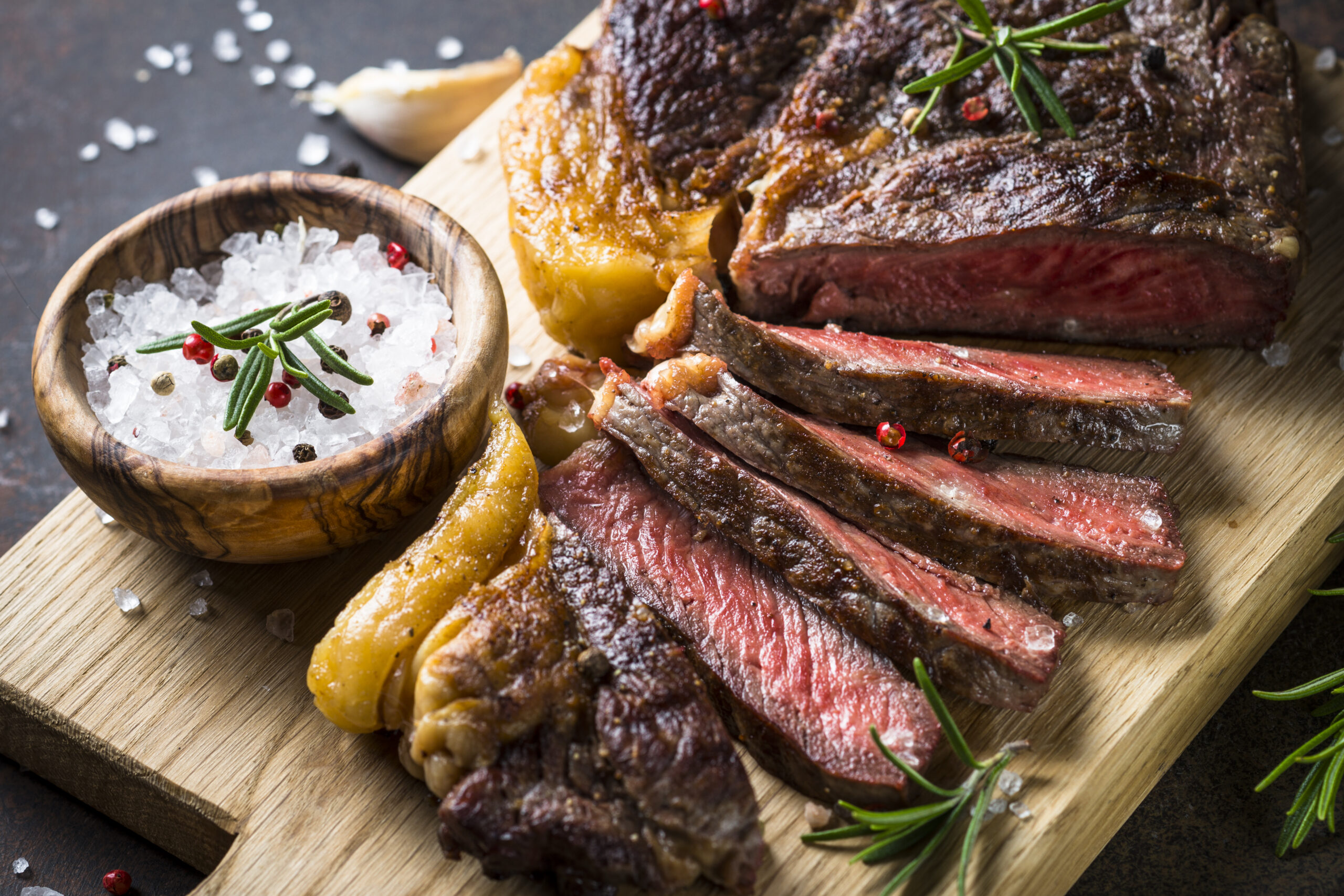
A great sear isn’t about being lucky, or having a particular brand of pan, or following a vague “high heat” instruction. It’s about understanding how heat, surface area, dryness, oil, and space come together to create one of the most flavorful transformations in cooking.
Once you understand the science, the results stop being inconsistent.
Your scallops become golden instead of pale. Your steak gains that irresistible crust.
Your chicken skin turns shatteringly crisp. Your tofu becomes bronzed and savory.
Your vegetables caramelize like a dream.
This is the kind of kitchen confidence that changes the way you cook forever. Anytime you need clarity or more deep-dive food science, I’m right here—ready to help you master the next technique with precision and ease.
Pin to Pinterest
Related
Looking for other recipes like this? Try these: