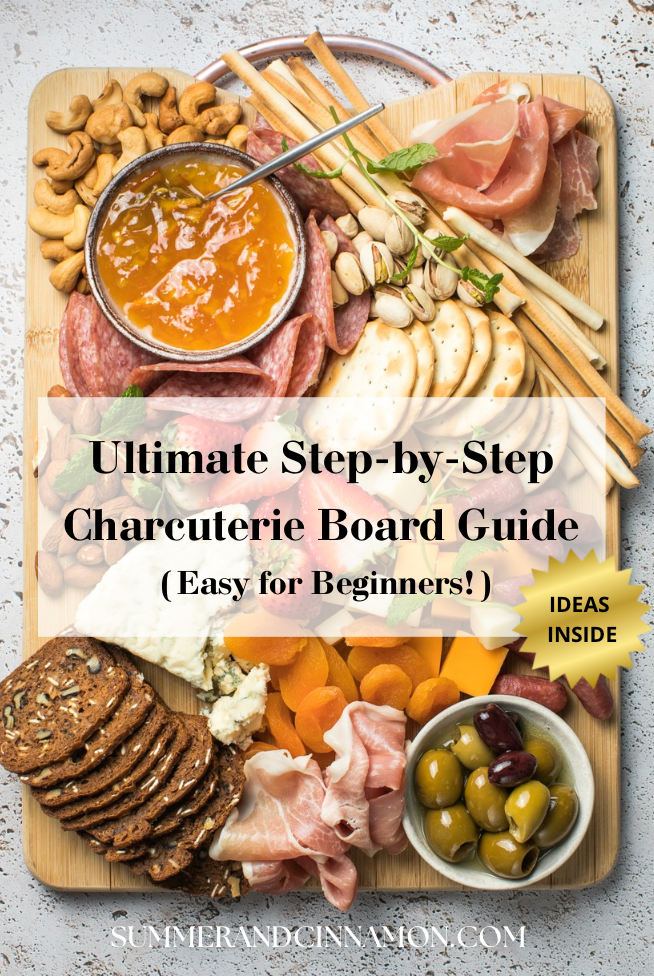
A charcuterie board isn’t just food on a board. Its hospitality made visible. It says, stay awhile. Nibble slowly. Help yourself.
A truly great charcuterie board isn’t random. It’s structured. It balances flavor, texture, color, and flow. And when you understand the framework behind it, you can build one confidently for anything — a holiday gathering, date night, baby shower, backyard party, or even a cozy movie night at home.
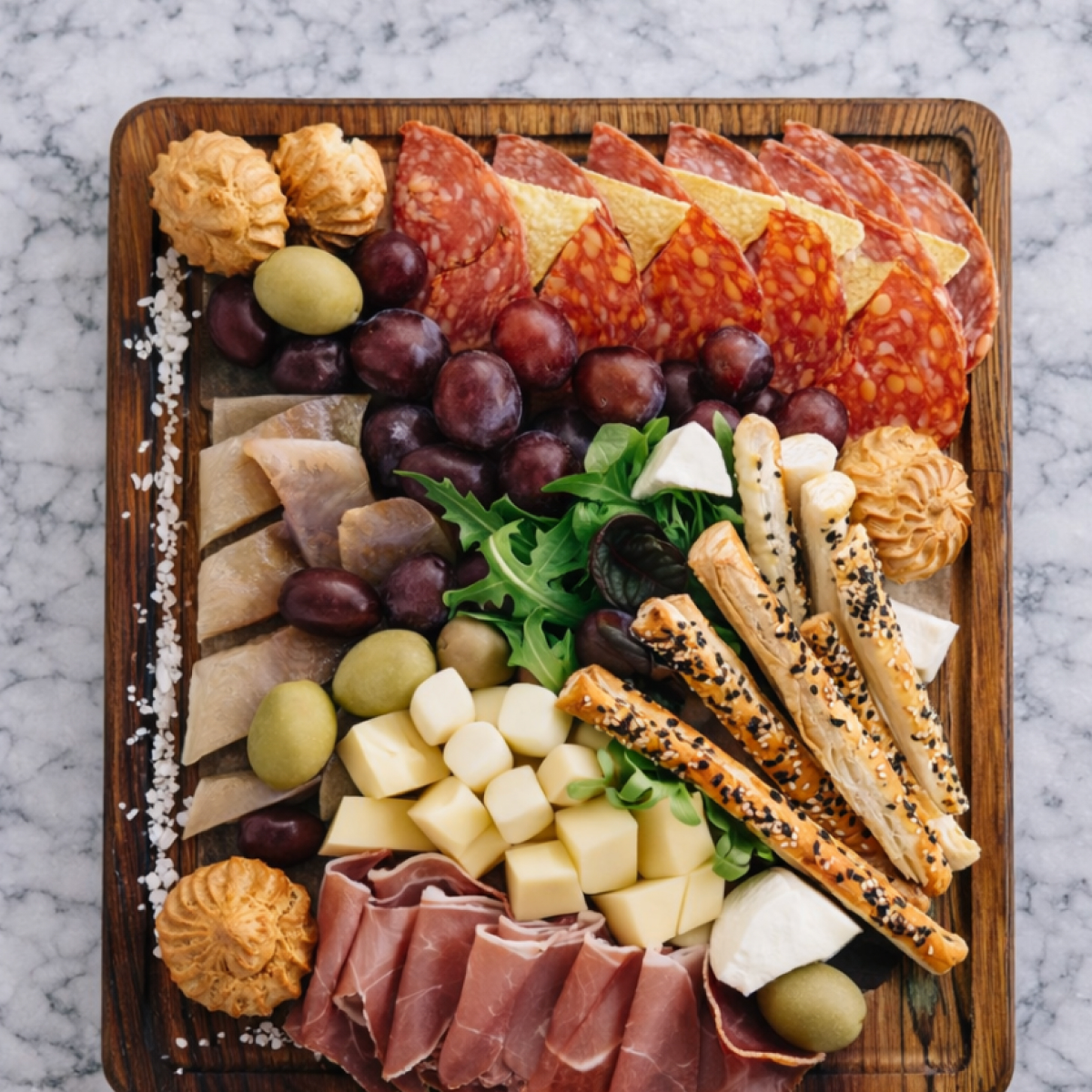
This guide will walk you through how to build a charcuterie board step by step, including quantities, layout strategy, flavor pairing, and styling tips.
What Is a Charcuterie Board?
Traditionally, “charcuterie” refers to cured meats.
Modern boards have evolved into a combination of:
- Cured meats
- Cheeses
- Fresh and dried fruit
- Nuts
- Spreads and dips
- Crackers and bread
- Sweet elements
At its core, a charcuterie board is about contrast and balance.
Step 1: Choose the Right Board Size
Board size should match guest count.
Serving Guide:
- 2–4 people: 12–14 inch board
- 6–8 people: Large rectangular or round board (18–24 inches)
- 10+ people: Multiple boards or a large table spread
Pro tip: Bigger boards look better when filled intentionally — empty space can make a board feel sparse.
I’ve linked all my favorite baking tools on my Shop My Kitchen page if you’d like to see what I use regularly.
Step 2: Use the 3–3–3 Formula
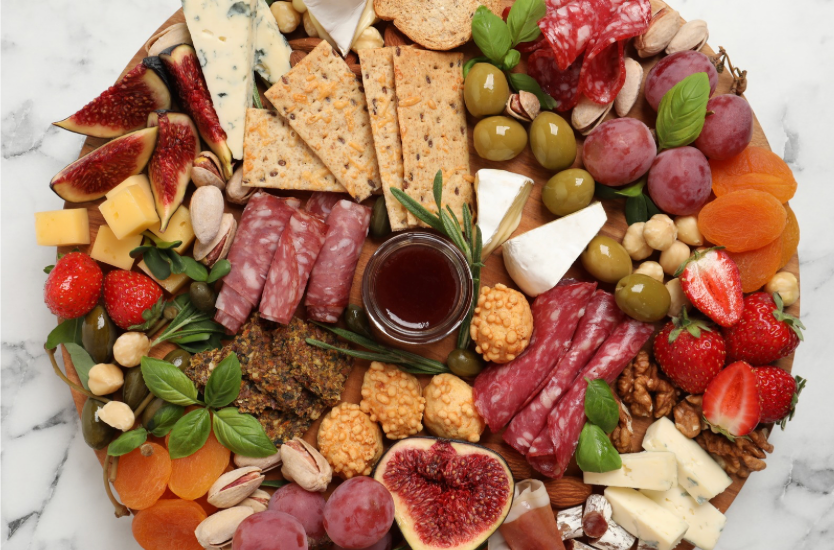
To avoid overwhelm, follow this structure:
- 3 meats
- 3 cheeses
- 3 accompaniments
You can expand from there, but this formula creates balance.
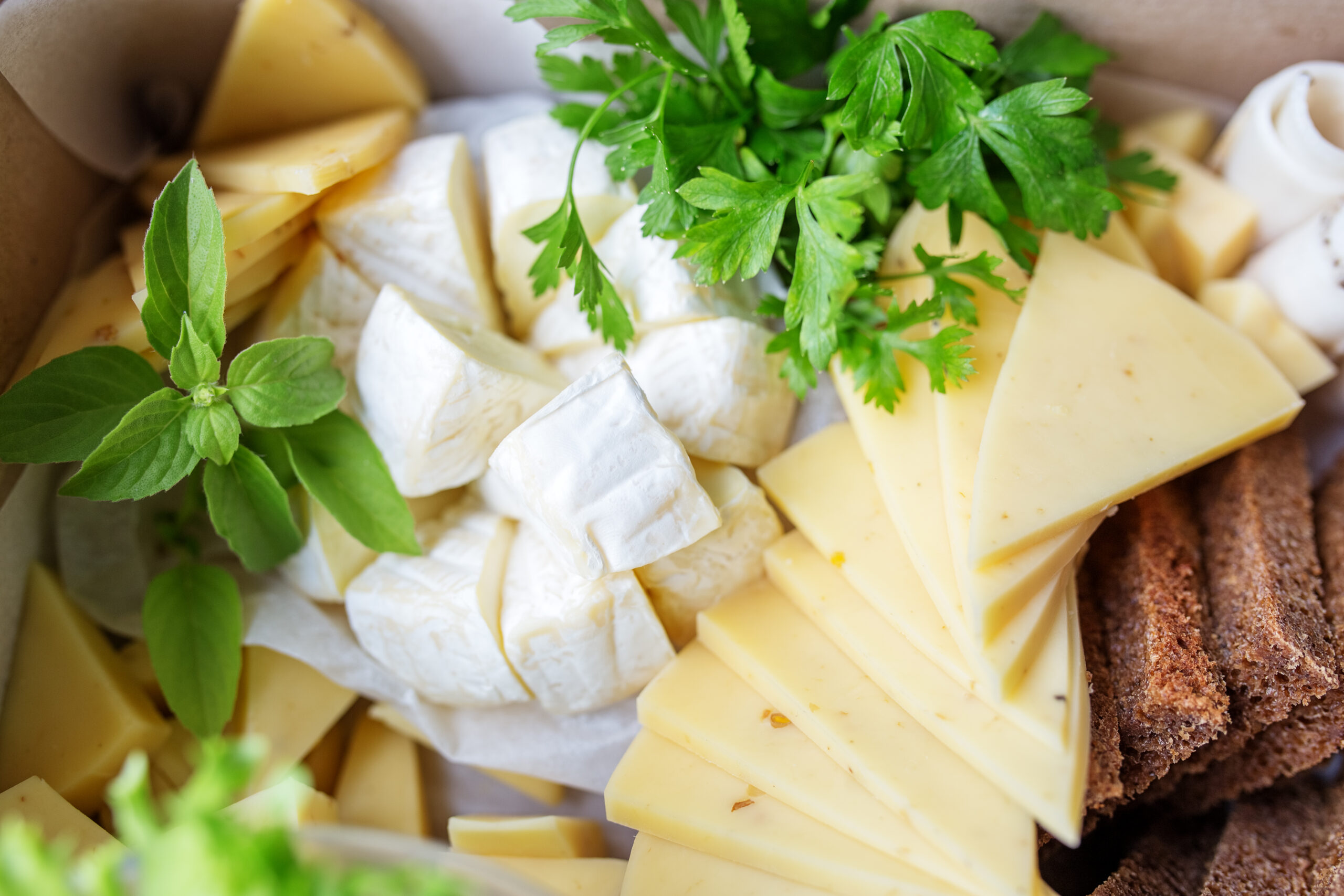
Step 3: Select Your Cheeses
Choose variety in texture and milk type.
A Balanced Cheese Selection Might Include:
- Soft cheese
– Brie
– Camembert
– Goat cheese - Firm cheese
– Aged cheddar
– Manchego
– Gouda - Bold or unique cheese
– Blue cheese
– Smoked cheese
– Herb-crusted cheese
Texture contrast matters more than price.
Step 4: Choose Your Meats
(Fold for Visual Impact)
Pick a mix of:
- Salami
- Prosciutto
- Soppressata
- Capicola
- Chorizo
How to Style Meat Beautifully:
- Fold salami in halves or quarters.
- Create loose prosciutto ribbons.
- Make “salami roses” using a glass for a show-stopping detail.
This creates volume and visual interest.
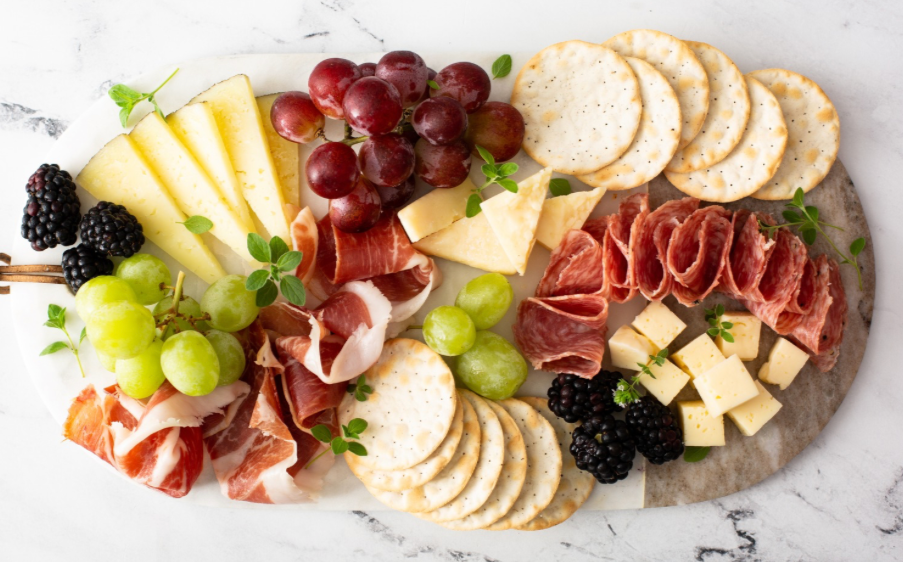
Step 5: Add Fresh and Sweet Elements
Fresh fruit adds brightness and color.
Great Options:
- Grapes
- Strawberries
- Sliced apples (tossed in lemon to prevent browning)
- Pear slices
- Dried apricots
- Dates
Sweet elements balance salty meats and sharp cheeses.
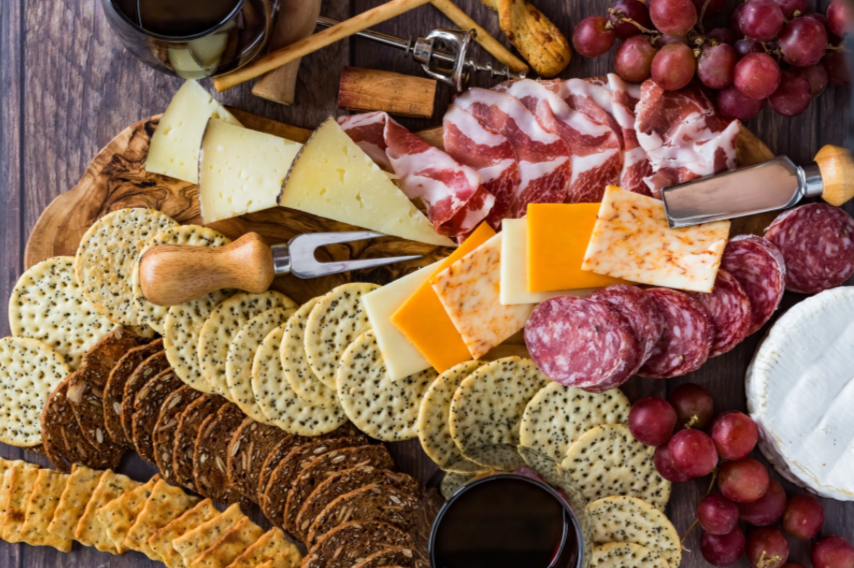
Step 6: Add Crunch
Crunch creates texture contrast.
Include:
- Marcona almonds
- Candied pecans
- Pistachios
- Crackers (varied shapes and sizes)
- Crostini
Use small bowls for nuts to contain scatter.
Step 7: Include Something Unexpected
This is what makes a board memorable.
Examples:
- Honeycomb
- Fig jam
- Spicy mustard
- Olive tapenade
- Pickled vegetables
- Dark chocolate squares
A surprise element elevates your board from basic to intentional.
Step 8: Build It Strategically
Here’s the layout sequence professionals use:
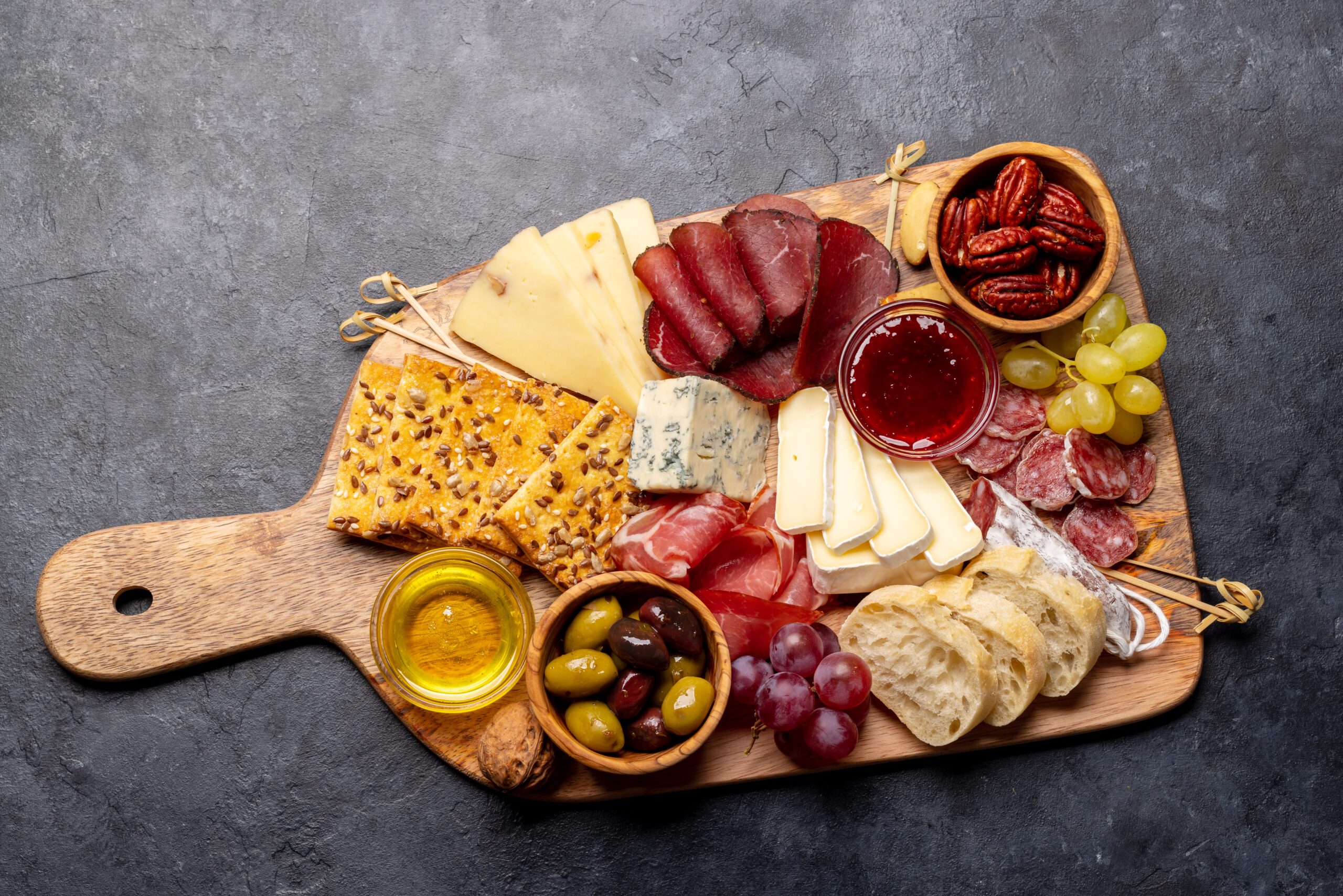
1- Place cheeses first (anchor pieces).
2- Add small bowls (jams, olives, honey).
3- Fold and tuck meats around cheese.
4- Add fruit clusters.
5- Fill gaps with nuts and small items.
6- Finish with crackers last.
Why crackers last?
They go stale quickly and break easily during rearranging.
Step 9: Think in Clusters, Not Lines
Avoid straight rows.
Group items in small clusters. This creates movement and visual flow.
Odd numbers look better than even ones.
Step 10: Garnish Lightly
Use:
- Fresh rosemary
- Thyme sprigs
- Edible flowers
But don’t overdo it. Garnish should enhance — not overwhelm.
How Much Food Per Person?
Google loves clarity like this.
Serving Guide Per Person:
- 2–3 ounces cheese
- 2 ounces cured meat
- Small handful fruit
- Small handful nuts
- 3–5 crackers
For dinner-style boards, increase quantities by 50%.
Charcuterie Board Flavor Pairing Guide
| If You Include… | Pair It With… |
|---|---|
| Sharp Cheddar | Honey or apple slices |
| Brie | Jam or fresh berries |
| Blue Cheese | Pear + walnuts |
| Prosciutto | Melon or fig |
| Goat Cheese | Lemon zest + herbs |
Flavor pairing elevates the experience.
Make-Ahead Tips
You can prep 24 hours ahead:
- Slice cheeses (wrap tightly)
- Fold meats
- Wash and dry fruit
- Prep small bowls
Assemble within 1–2 hours of serving for peak freshness.
Common Mistakes to Avoid
- Too many similar cheeses
- Overcrowding one area
- Forgetting knives for each cheese
- No flavor contrast
- All beige foods (color matters)
The Meaning Behind It
A charcuterie board isn’t about perfection.
It’s about invitation.
It’s the art of slowing down.
People linger longer over a board. They talk more. They reach across the table. It’s interactive in a way plated food isn’t.
That’s why it feels special.
Quick Charcuterie Themes
- Fall Harvest Board
- Christmas Charcuterie Board
- Valentine’s Dessert Board
- Kid-Friendly Snack Board
- Mediterranean Board
- Breakfast Charcuterie Board
- Gluten-Free Charcuterie Board
- Budget Charcuterie Board
Creating themed boards increases search visibility and repeat content opportunities.
Final Thoughts
The secret to a stunning charcuterie board isn’t expensive ingredients.
It’s structure.
Balance flavor.
Vary texture.
Build in layers.
Leave space for beauty.
And most importantly — make it feel generous.
Love Charcuterie Boards? Check out my Dessert Charcuterie How to Guide!

The Ultimate Charcuterie Board
Ingredients
Equipment
Method
- Select ingredients and have fun building your board!
Notes
- Make it ahead: Most components can be prepped 24 hours in advance. Slice cheeses and meats the day of serving for the best texture and appearance.
- Cheese temperature matters: Remove cheeses from the fridge 30–60 minutes before serving so flavors fully develop.
- Balance is key: Aim for a mix of creamy, firm, and aged cheeses along with salty meats, crunchy elements, and something briny or sweet for contrast.
- Customize the board: Swap items based on what’s available—no need to stick to exact ingredients. Seasonal fruits, nuts, or spreads work beautifully.
- Serving size guide: Plan on about 2–3 ounces of cheese and 2 ounces of meat per person if serving as an appetizer.
Related
Looking for other recipes like this? Try these:

Pin to Pinterest