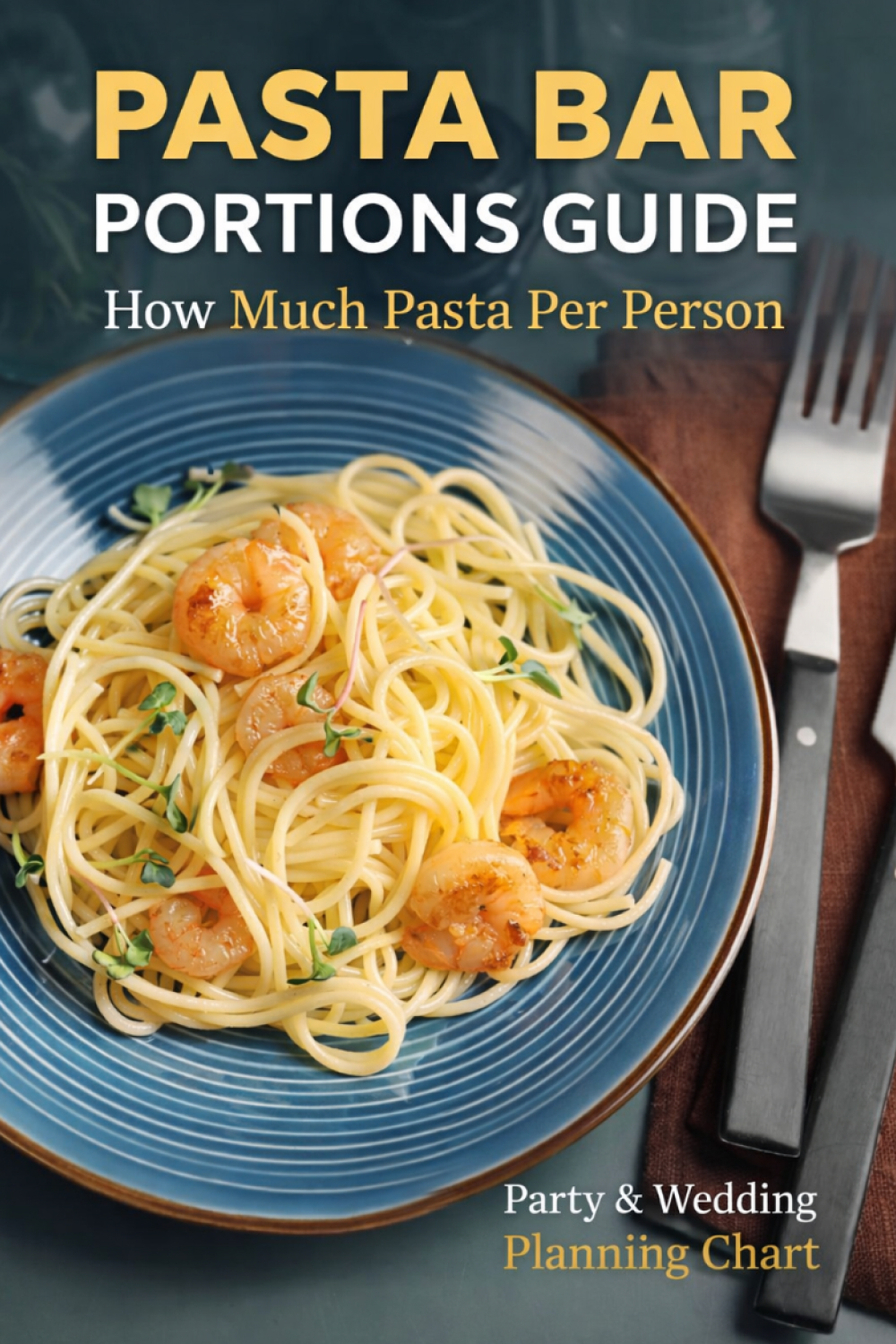
A pasta bar is one of the easiest and most crowd-pleasing meal options for weddings, parties, and large gatherings. It’s flexible, customizable, and works for everything from casual family celebrations to elegant receptions.
But once you start planning, the same question always comes up:
How much pasta should you actually prepare per guest?
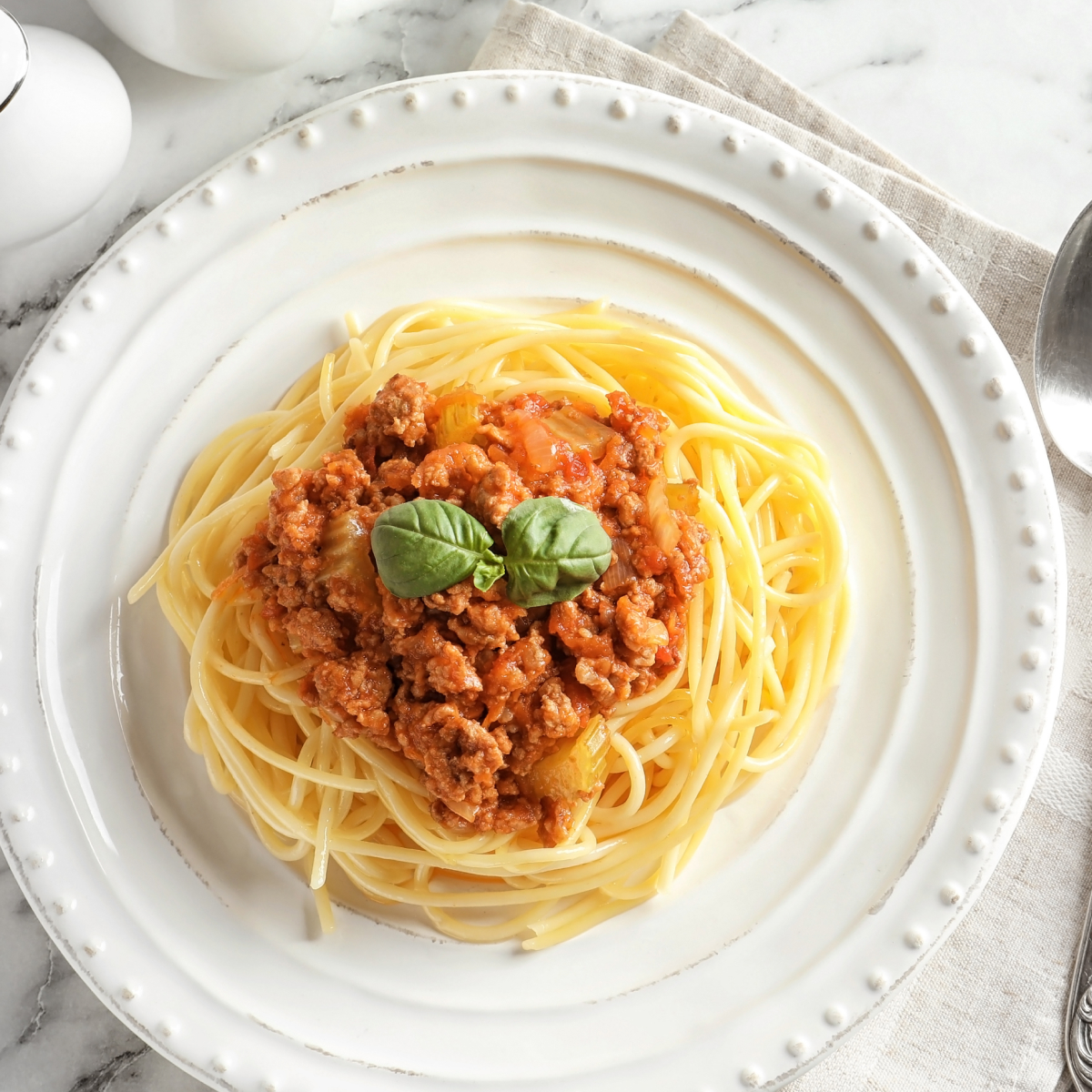
Serve too little and the buffet empties quickly. Serve too much and you end up with trays of leftovers.
This guide breaks down exactly how much pasta to plan per person, how sauce choices affect portions, and how to scale quantities for different crowd sizes so your pasta bar feels abundant without waste.
Jump to:
Quick Answer: Pasta Bar Portions Per Person
For most pasta bars, plan:
2–3 ounces of dry pasta per person
This equals roughly:
1–1½ cups cooked pasta per guest
If pasta is the main meal, increase portions slightly. If it’s part of a larger buffet with appetizers and sides, you can reduce the amount.
Here’s a quick overview.
| Event Type | Dry Pasta Per Guest | Cooked Pasta |
|---|---|---|
| Pasta as main meal | 3–4 oz | 1½–2 cups |
| Pasta bar with sides | 2–3 oz | 1–1½ cups |
| Pasta as side dish | 1½–2 oz | about 1 cup |
If you’re also serving appetizers beforehand, your guests may eat less during the main meal.
You can reference our appetizer portion guide when planning the full menu.
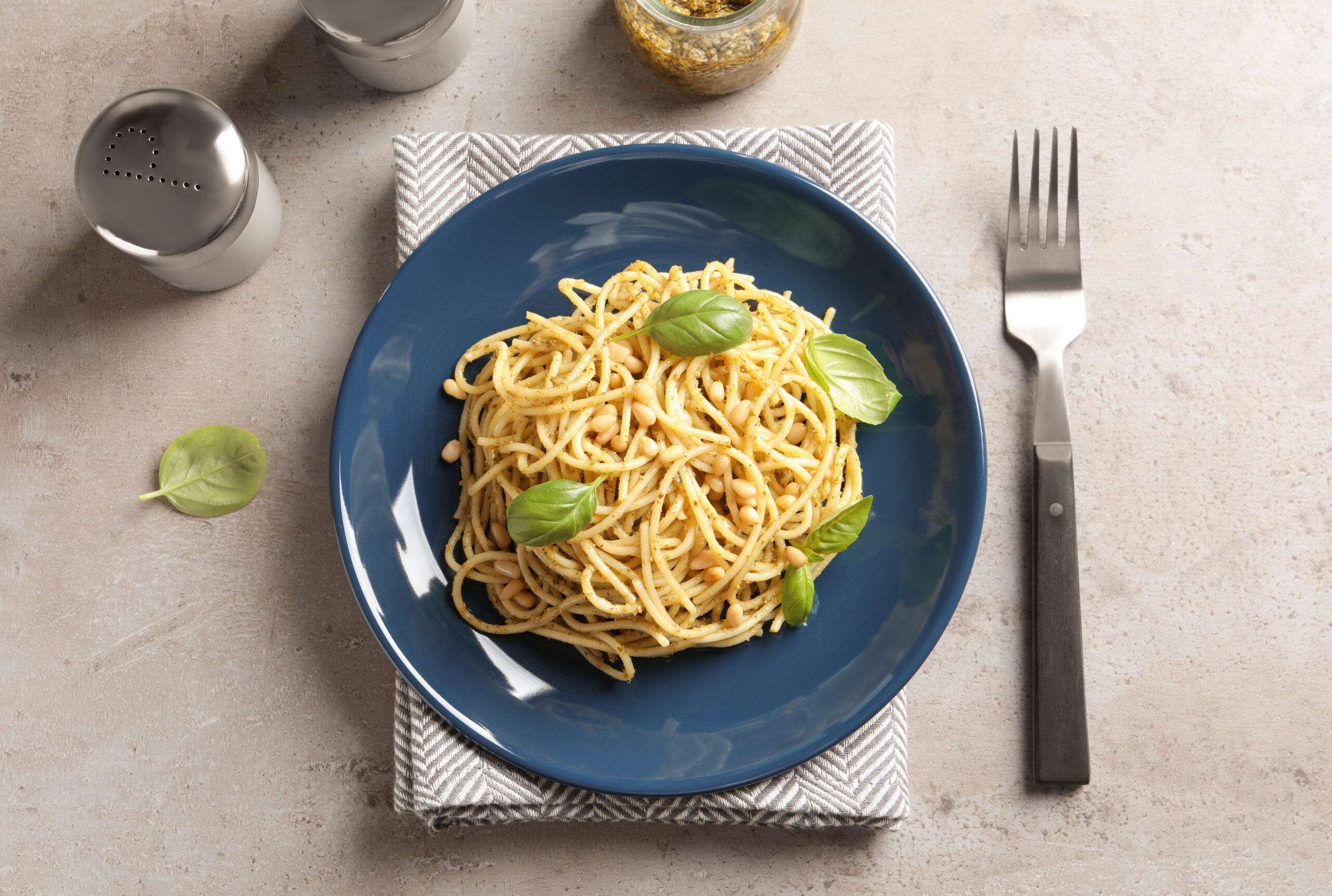
How Much Pasta to Make for Different Crowd Sizes
Use the following estimates when pasta is the primary meal.
| Guests | Dry Pasta Needed | Cooked Pasta |
|---|---|---|
| 25 guests | 5–6 pounds | about 18–20 cups |
| 50 guests | 10–12 pounds | about 36–40 cups |
| 75 guests | 15–18 pounds | about 54–60 cups |
| 100 guests | 20–24 pounds | about 72–80 cups |
| 150 guests | 30–36 pounds | about 108–120 cups |
These numbers assume a traditional buffet where guests serve themselves.
If your event includes other main dishes, portions can be reduced slightly.
Choosing Pasta Types for a Pasta Bar
Variety is part of what makes a pasta bar appealing.
Offering two or three pasta shapes allows guests to mix and match with sauces.
Popular choices include:
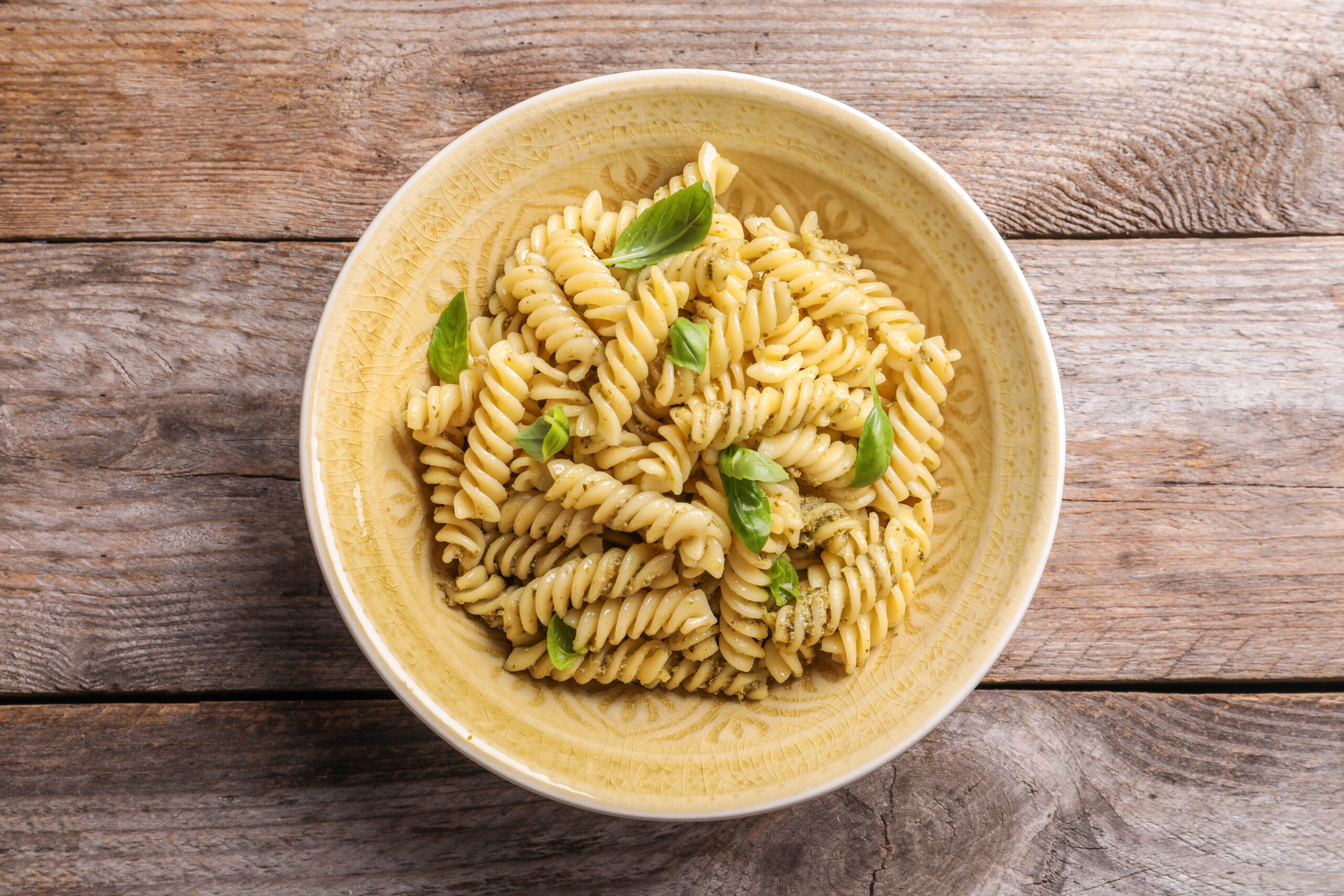
- Penne
- Rotini
- Farfalle (bowtie pasta)
- Fettuccine
- Rigatoni
- Spaghetti
Short pastas such as penne and rotini work best for buffets because they are easy to serve and hold sauces well.
Long noodles like spaghetti or fettuccine are usually paired with one specific sauce to avoid tangling on the buffet line.
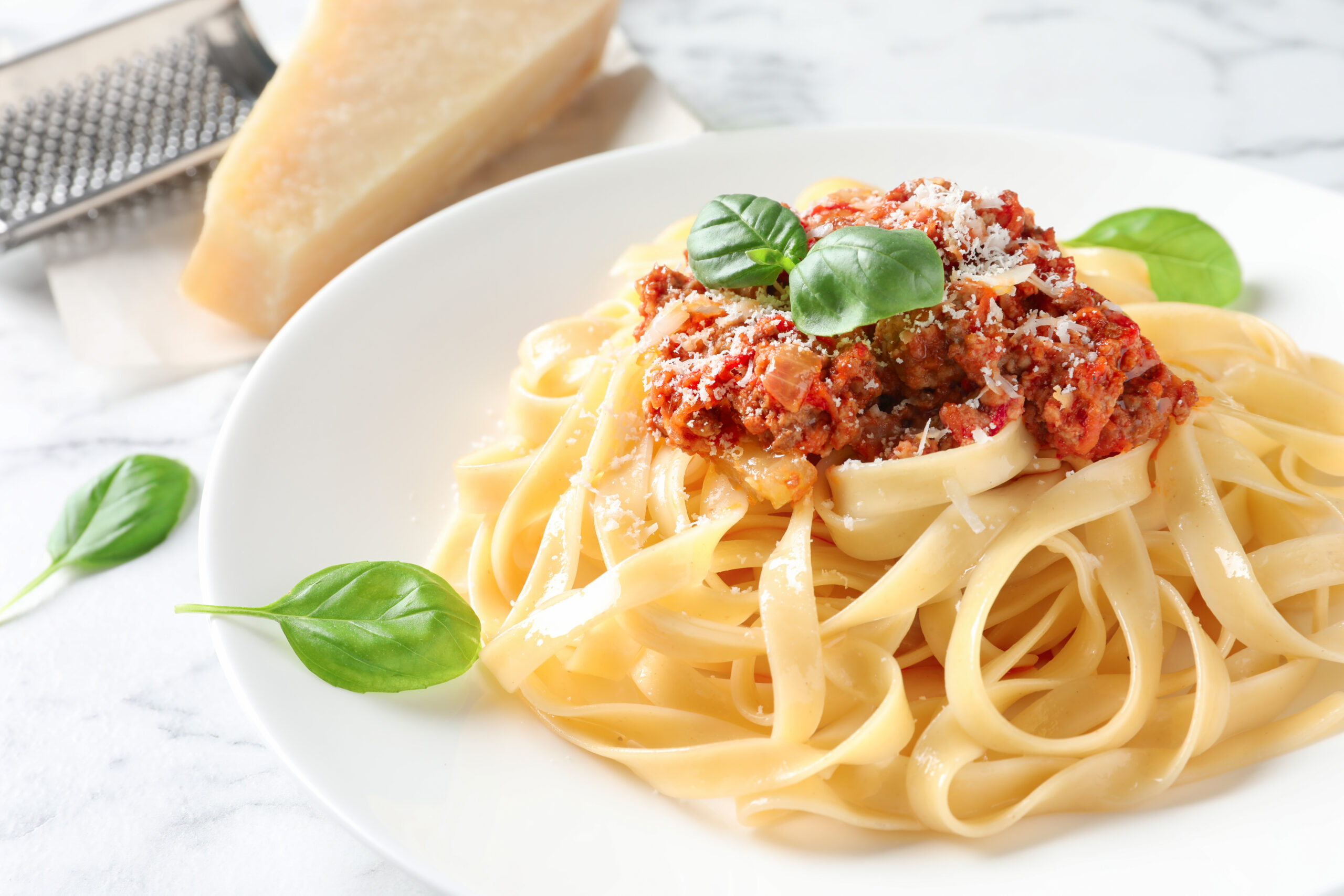
How Many Sauces to Offer
A good pasta bar typically includes two to four sauces.
This gives guests variety without making the buffet overly complicated.
Common options include:
- Marinara
- Alfredo
- Meat sauce
- Pesto
- Garlic butter
- Creamy mushroom sauce
For larger receptions, providing one vegetarian sauce and one meat sauce ensures guests have options.
Portion Guide for Pasta Sauces
Sauce quantities are usually calculated separately from the pasta.
Plan approximately:
½ cup sauce per guest
Example for 100 guests:
- 50 cups sauce total
- If offering two sauces, prepare about 25 cups of each
Heavier sauces like Alfredo may be used slightly less because they are richer.
Popular Pasta Bar Toppings
Toppings allow guests to customize their plate and add flavor variety.
Common additions include:
- Grilled chicken
- Italian sausage
- Meatballs
- Roasted vegetables
- Mushrooms
- Spinach
- Parmesan cheese
- Fresh herbs
For toppings, plan about 2 ounces of protein per person if meat is offered.
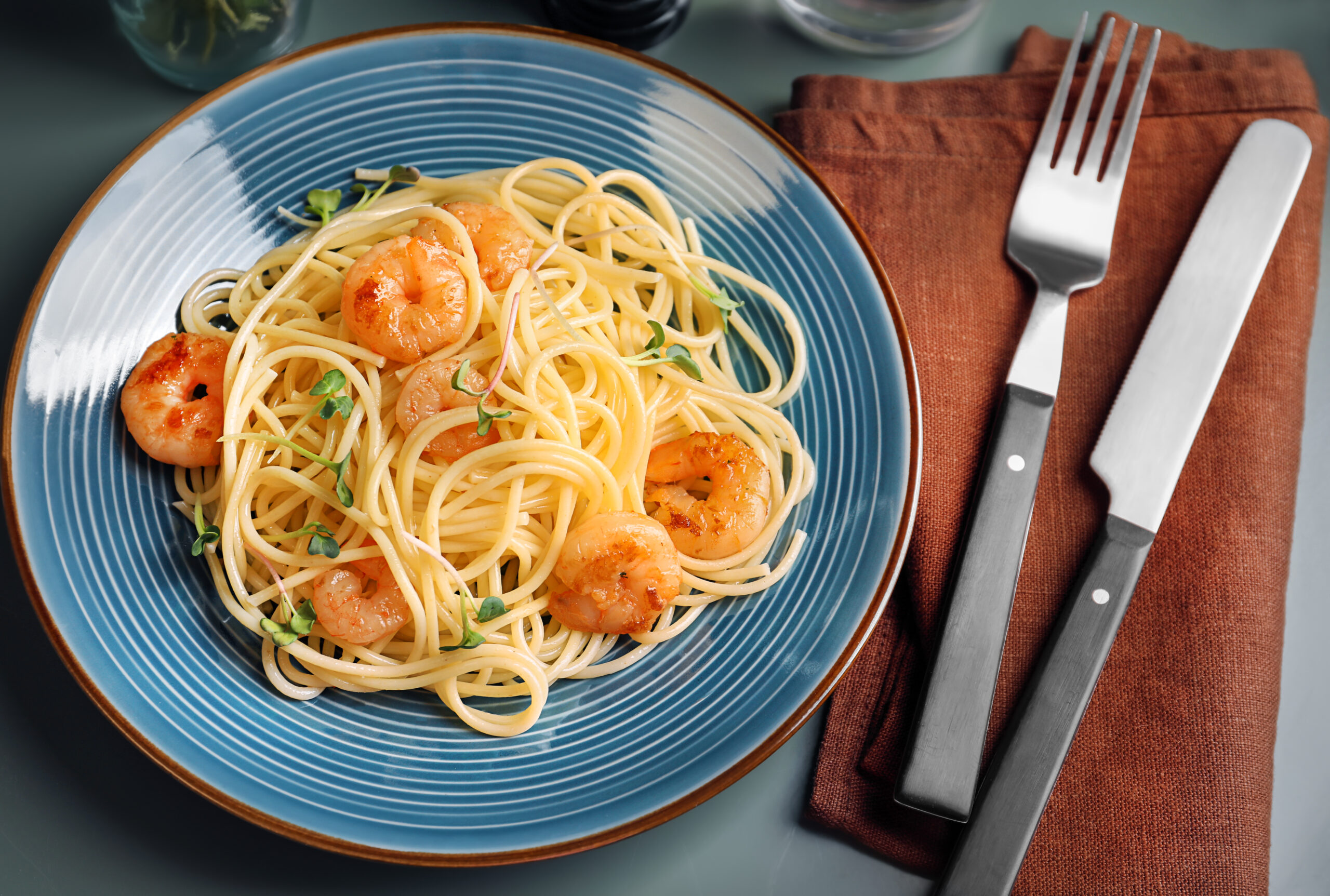
Side Dishes That Work Well with Pasta Bars
Adding a few simple sides helps balance the meal.
Typical pairings include:
- Garlic bread
- Caesar salad
- Caprese salad
- Roasted vegetables
Planning a Pasta Bar for Weddings
Pasta bars are especially popular at weddings because they offer comfort food with elegant presentation.
If your wedding includes multiple food stations or appetizers during cocktail hour, pasta portions can be reduced slightly.
For dessert planning, many couples also include a dessert table. If you’re coordinating the full menu, our wedding dessert table portion guide can help calculate sweet options as well.
Equipment Needed for a Pasta Bar
A few simple serving tools help keep a pasta bar organized and easy for guests to navigate.
Serving & Display
- Chafing dishes or warming trays for pasta
- Sauce warmers or slow cookers
- Large serving bowls for toppings
- Pasta serving tongs
- Ladles for sauces
Buffet Setup
- Plates or pasta bowls
- Serving utensils
- Labels for pasta types and sauces
- Table risers for visual height
Keeping sauces warm and pasta fresh is the key to maintaining quality throughout the event.
Tips for Keeping Pasta Fresh at a Buffet
Pasta can dry out quickly if left uncovered.
To keep it tasting fresh:
- Toss cooked pasta lightly with olive oil before serving
- Keep sauces in warming containers
- Refill trays in smaller batches rather than placing everything out at once
- Stir pasta occasionally to prevent sticking
These small adjustments make a big difference during longer events.
Frequently Asked Questions
Can pasta be prepared ahead of time?
Yes. Pasta can be cooked earlier in the day and reheated with sauce just before serving.
Should I cook pasta al dente for a buffet?
Yes. Slightly firm pasta holds its texture better during warming.
How many pasta options should I offer?
Two pasta shapes and two sauces is usually perfect for most events.
Final Thoughts
A pasta bar is a practical and crowd-friendly way to feed a large group. By planning portions carefully and offering a few complementary sauces and toppings, you can create a buffet that feels generous without producing unnecessary leftovers.
For most events, the key guideline is simple:
Plan 2–3 ounces of dry pasta per guest, adjust for sides, and scale based on your guest count.
With the right quantities and a well-organized serving setup, your pasta bar will be one of the most popular parts of the meal.
Related
Looking for other recipes like this? Try these:

Pin to Pinterest