Running out of a key baking ingredient doesn’t have to ruin your recipe. Whether you’re missing brown sugar, eggs, buttermilk, or heavy cream, knowing the right substitution can save your baked goods without sacrificing flavor or texture.
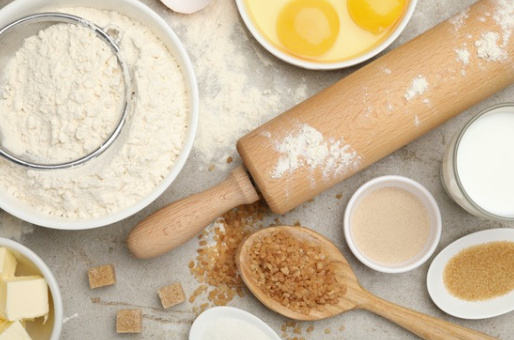
This guide explains the most reliable baking ingredient substitutions, how they work, and when they should be used. You’ll also find quick ratios, a full substitution chart, practical baking examples, and links to deeper guides for each ingredient.
If you bake regularly, bookmarking this guide can save countless trips to the grocery store.
Jump to:
Quick Answer: Common Baking Ingredient Substitutions
If you’re missing a baking ingredient, these are some of the most dependable substitutions:
| Missing Ingredient | Best Substitute | Ratio |
|---|---|---|
| Brown Sugar | White sugar + molasses | 1 cup sugar + 1 tablespoon molasses |
| Buttermilk | Milk + lemon juice | 1 cup milk + 1 tablespoon lemon juice |
| Heavy Cream | Milk + butter | ¾ cup milk + ¼ cup butter |
| Eggs | Applesauce or yogurt | ¼ cup per egg |
| Butter | Vegetable oil | ¾ cup oil per 1 cup butter |
| Milk | Plant-based milk | 1:1 ratio |
| Cream Cheese | Greek yogurt | 1:1 ratio |
| Cornstarch | Flour | 2 tablespoon flour per 1 tablespoon cornstarch |
| Baking Powder | Baking soda + cream of tartar | see ratio below |
These substitutions work because they mimic the original ingredient’s role in the recipe, such as providing moisture, fat, structure, or acidity.
Why Baking Substitutions Work
Baking relies on a balance of structure, moisture, fat, and chemical reactions.
Every ingredient in a recipe plays a specific role.
| Ingredient Role | Examples | Purpose |
|---|---|---|
| Structure | Eggs, flour | Holds baked goods together |
| Fat | Butter, oil, cream | Tenderness and flavor |
| Liquid | Milk, buttermilk | Hydration |
| Sweetener | Sugar, honey | Flavor and moisture |
| Leavening | Baking soda, baking powder | Rise |
| Thickening | Cornstarch | Stabilization |
Successful substitutions work when the replacement ingredient performs the same function.
For example:
- Buttermilk adds acidity and moisture
- Eggs provide binding
- Butter contributes fat and flavor
A good substitute replicates these qualities.

Complete Baking Substitution Chart
Here is a quick-reference baking substitution chart covering the ingredients most frequently replaced in home kitchens.
| Ingredient | Substitute | Ratio |
|---|---|---|
| Brown Sugar | White sugar + molasses | 1 cup sugar + 1 tablespoon molasses |
| Buttermilk | Milk + lemon juice | 1 cup milk + 1 tablespoon acid |
| Heavy Cream | Milk + butter | ¾ cup milk + ¼ cup butter |
| Egg | Applesauce | ¼ cup |
| Butter | Oil | ¾ cup oil |
| Oil | Melted butter | 1:1 |
| Milk | Plant milk | 1:1 |
| Cream Cheese | Greek yogurt | 1:1 |
| Cornstarch | Flour | 2:1 ratio |
| Baking Powder | Baking soda + cream of tartar | see section below |
This chart provides a quick overview, but some substitutions work better in certain recipes than others.
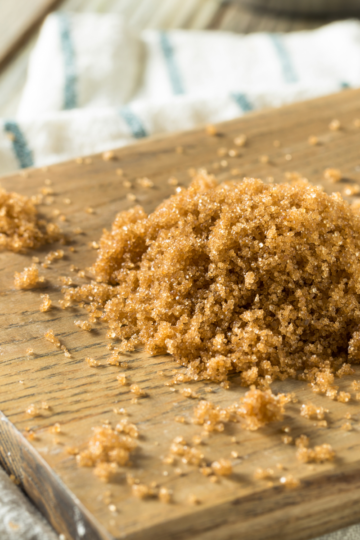
Brown Sugar Substitute
Brown sugar adds moisture and caramel flavor due to the molasses it contains.
The best substitute is:
1 cup white sugar + 1 tablespoon molasses
This mixture recreates both the sweetness and moisture level of brown sugar.
For a deeper explanation and additional options, see the full brown sugar substitute guide.
Baking Powder Substitute
Baking powder is a leavening agent that helps baked goods rise.
If you run out, you can make your own using:
¼ teaspoon baking soda + ½ teaspoon cream of tartar
This combination recreates the chemical reaction needed for lift.
Buttermilk Substitute
Buttermilk provides both moisture and acidity in baking.
The easiest substitute is:
1 cup milk + 1 tablespoon lemon juice or vinegar
Allow the mixture to sit for about 5 minutes before using.
Heavy Cream Substitute
Heavy cream contributes richness and fat to recipes.
A reliable replacement is:
¾ cup milk + ¼ cup melted butter
This mixture closely matches the fat content of heavy cream.
Egg Substitute for Baking
Eggs provide structure, binding, and moisture.
Common egg substitutes include:
| Substitute | Amount per Egg |
|---|---|
| Applesauce | ¼ cup |
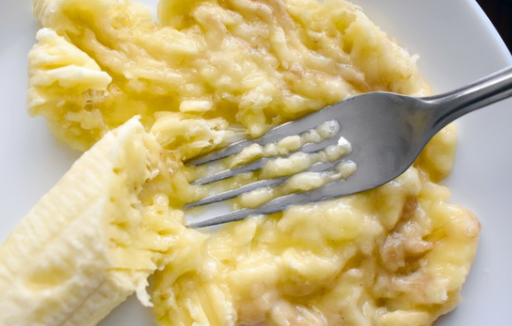
| Mashed banana | ¼ cup |
| Greek yogurt | ¼ cup |
| Flax egg | 1 tablespoon flaxseed + 2.5 tablespoon water |
Each substitute works best depending on the type of baked good.
Butter Substitute for Baking
Butter provides flavor, fat, and tenderness.
Possible replacements include:
- Oil
- Margarine
- Applesauce
- Greek yogurt
Oil Substitute for Butter
Oil can replace butter in many recipes.
General rule:
1 cup butter = ¾ cup oil
Oil produces softer baked goods but lacks the flavor of butter.
Milk Substitute in Baking
Milk hydrates dry ingredients and contributes to structure.
Common alternatives include:
- Almond milk
- Soy milk
- Water + butter
- Oat milk
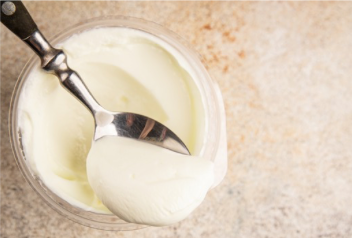
Cream Cheese Substitute
Cream cheese adds tanginess and richness.
Possible substitutes include:
- Greek yogurt
- Mascarpone
- Blended cottage cheese
Cornstarch Substitute
Cornstarch thickens fillings, custards, and sauces.
Common substitutes include:
| Substitute | Ratio |
|---|---|
| Flour | 2 tablespoon flour per 1 tablespoon cornstarch |
| Arrowroot | 1:1 |
| Potato starch | 1:1 |
When NOT to Substitute Ingredients
Some recipes rely heavily on specific ingredients and substitutions may not work well.
Examples include:
- Macarons
- Angel food cake
- Laminated dough (croissants, puff pastry)
- Custards
In these recipes, precise ingredients are necessary for proper texture and structure.
Pro Tips for Successful Baking Substitutions
Professional bakers recommend a few key guidelines:
Understand ingredient roles
Replacing butter with oil changes flavor and texture.
Avoid replacing multiple ingredients
Too many substitutions can alter the structure of the recipe.
Measure carefully
Baking substitutions require accurate ratios.
Adjust moisture levels
Some substitutes add extra liquid, which may slightly change baking time.
Practical Example
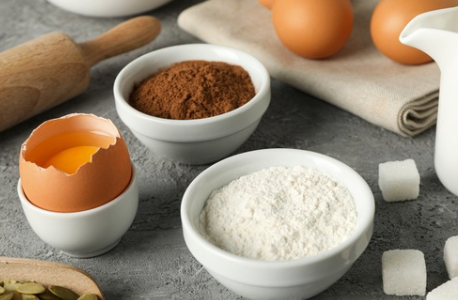
Imagine you’re baking cookies and realize you’re missing several ingredients.
Original recipe calls for:
- 1 cup brown sugar
- ½ cup butter
- 2 eggs
- ½ cup milk
Possible substitutions:
| Original | Substitute |
|---|---|
| Brown sugar | White sugar + molasses |
| Butter | Oil |
| Eggs | Applesauce |
| Milk | Almond milk |
The cookies will still bake successfully using these substitutions.
Baking Substitution Calculator
Here are the most common baking substitution ratios:
- 1 egg = ¼ cup applesauce
- 1 cup butter = ¾ cup oil
- 1 cup buttermilk = 1 cup milk + 1 tablespoon lemon juice
- 1 tablespoon cornstarch = 2 tablespoon flour
These simple ratios make it easier to adapt recipes quickly.
Ingredient Function Cheat Sheet
Understanding ingredient roles makes substitutions easier.
| Ingredient | Primary Function |
|---|---|
| Eggs | Structure |
| Butter | Fat and flavor |
| Milk | Moisture |
| Sugar | Sweetness and tenderness |
| Leavening agents | Rise |
| Cornstarch | Thickening |
When choosing substitutes, match the ingredient’s function.
FAQ
Can you substitute ingredients in baking?
Yes, but successful substitutions replace both the ingredient and its role in the recipe.
What is the most common baking substitute?
Milk, eggs, butter, and brown sugar are among the most frequently substituted baking ingredients.
Do substitutions affect flavor?
Sometimes. Oil can reduce buttery flavor, and applesauce may add slight sweetness.
Can you substitute multiple ingredients at once?
You can, but the final texture may change.
Final Thoughts
Knowing reliable baking substitutions can transform a frustrating kitchen moment into an easy solution. With the right swaps, you can replace common ingredients like eggs, butter, milk, or sugar and still produce delicious baked goods.
Understanding how ingredients function in baking allows you to adapt recipes confidently while maintaining texture, flavor, and structure.
Bookmark this guide so you always have trusted baking substitutions available whenever you need them.
Related
Looking for other recipes like this? Try these:



Pin to Pinterest