You’re halfway through a recipe, everything is measured, and then it hits—you’re out of baking powder. It’s one of those small ingredients that suddenly feels very important when it’s missing.
The good news? You don’t need to scrap your recipe.
There are several reliable baking powder substitutes that work beautifully when used correctly. The key is understanding why baking powder works and how to recreate that same lift with ingredients you likely already have in your kitchen.
This guide walks you through the best substitutions, exact ratios, and how to choose the right one depending on what you’re baking.
Looking for more easy swaps? Don’t miss my complete baking substitutions guide for every ingredient you might run out of.
Jump to:
Quick Answer
The best baking powder substitute is:
¼ teaspoon baking soda + ½ teaspoon acid (like vinegar, lemon juice, or cream of tartar) to replace 1 teaspoon baking powder
This combination recreates the leavening effect by producing carbon dioxide, which helps baked goods rise.
Why Baking Powder Matters
Baking powder is a leavening agent. It creates tiny air bubbles in batter or dough, which expand in the oven and give your baked goods their light, fluffy texture.
Without it, recipes can turn out:
- Dense
- Flat
- Heavy
Baking powder is actually made of two main components:
- A base (baking soda)
- An acid (like cream of tartar)
When combined with moisture and heat, they react to create lift. So when you’re substituting, you’re simply rebuilding that reaction.
Best Baking Powder Substitutes
1. Baking Soda + Cream of Tartar (Best Overall)
This is the closest substitute because it mimics baking powder exactly.
How to use:
- ¼ teaspoon baking soda
- ½ teaspoon cream of tartar
Why it works:
You’re recreating baking powder from scratch using its original components.
Best for:
Cakes, muffins, cookies, quick breads
2. Baking Soda + Vinegar
A simple and effective option using pantry staples.
How to use:
- ¼ teaspoon baking soda
- ½ teaspoon white vinegar
Why it works:
The acid in vinegar activates the baking soda immediately, creating lift.
Best for:
Cakes and quick breads (especially where a slight tang won’t be noticeable)
3. Baking Soda + Lemon Juice
A great alternative if you want a slightly brighter flavor.
How to use:
- ¼ teaspoon baking soda
- ½ teaspoon lemon juice
Why it works:
Lemon juice provides the acid needed for the reaction.
Best for:
Citrus desserts, cakes, muffins

4. Self-Rising Flour
If you have this on hand, it’s an easy swap.
How to use:
Replace regular flour with self-rising flour and omit baking powder and salt
Why it works:
Self-rising flour already contains baking powder and salt.
Best for:
Biscuits, pancakes, quick breads
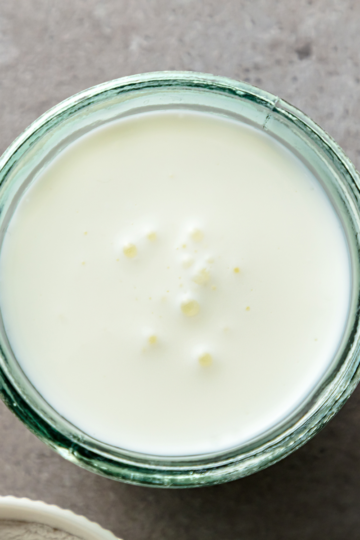
5. Yogurt or Buttermilk + Baking Soda
These add both acidity and moisture.
How to use:
- ¼ teaspoon baking soda
- Replace part of the liquid with yogurt or buttermilk
Why it works:
The natural acidity activates the baking soda.
Best for:
Muffins, pancakes, tender cakes
You can also pair this with a simple brown sugar substitute if you’re missing multiple ingredients.
Baking Powder Substitute Calculator
To replace baking powder in any recipe:
| Baking Powder Needed | Baking Soda | Acid (Vinegar/Lemon/Cream of Tartar) |
|---|---|---|
| 1 teaspoon | ¼ tsp | ½ tsp |
| 2 teaspoons | ½ tsp | 1 tsp |
| 3 teaspoons | ¾ tsp | 1½ tsp |
Simple formula:
-Baking powder ÷ 4 = baking soda
-Baking powder ÷ 2 = acid
Practical Example
Let’s say your recipe calls for 2 teaspoons baking powder.
Here’s how to substitute:
- ½ teaspoon baking soda
- 1 teaspoon vinegar or lemon juice
Add the baking soda with your dry ingredients and the acid with your wet ingredients for best results.
How to Choose the Right Substitute
Use this quick guide:
- Want the closest match? → Baking soda + cream of tartar
- Only have basics? → Baking soda + vinegar
- Making something citrusy? → Baking soda + lemon juice
- Need convenience? → Self-rising flour
- Want extra moisture? → Yogurt or buttermilk
For more reliable swaps like this, check out my complete baking ingredient substitutions guide where I break down the best substitutes for common baking ingredients.
Common Mistakes to Avoid
1. Using baking soda alone
This won’t work unless there’s already enough acid in the recipe.
2. Adding too much baking soda
This can create a bitter or metallic taste.
3. Not adjusting liquids
Some substitutes (like yogurt or buttermilk) add moisture, so balance your recipe.
4. Delaying baking
Once baking soda and acid are combined, the reaction starts immediately—get it into the oven quickly.
Troubleshooting
Why didn’t my baked goods rise?
- Not enough acid
- Batter sat too long before baking
- Expired baking soda
Why does it taste off?
- Too much baking soda
- Strong acid flavor (like vinegar)
Why is the texture dense?
- Incorrect ratio
- Overmixing
- Not enough leavening reaction
Frequently Asked Questions
Can I skip baking powder entirely?
No—your recipe will likely turn out flat and dense.
Is baking soda stronger than baking powder?
Yes. Baking soda is about 3–4 times stronger, which is why you use less.
Can I use yeast instead?
Not for quick recipes. Yeast works differently and requires time to rise.
Does the substitute change flavor?
Sometimes slightly, depending on the acid used—but usually not noticeably.
Final Thoughts
Running out of baking powder doesn’t have to derail your recipe. With the right combination of baking soda and an acid, you can recreate the same light, fluffy texture your recipe needs.
The key is precision—small adjustments make a big difference in baking.
Once you understand how these substitutions work, you’ll never feel stuck mid-recipe again. Instead, you’ll have the confidence to adapt, adjust, and keep baking without missing a beat. For a full list of reliable swaps, check out my ingredient substitution master guide.
Related
Looking for other recipes like this? Try these:

Pin to Pinterest